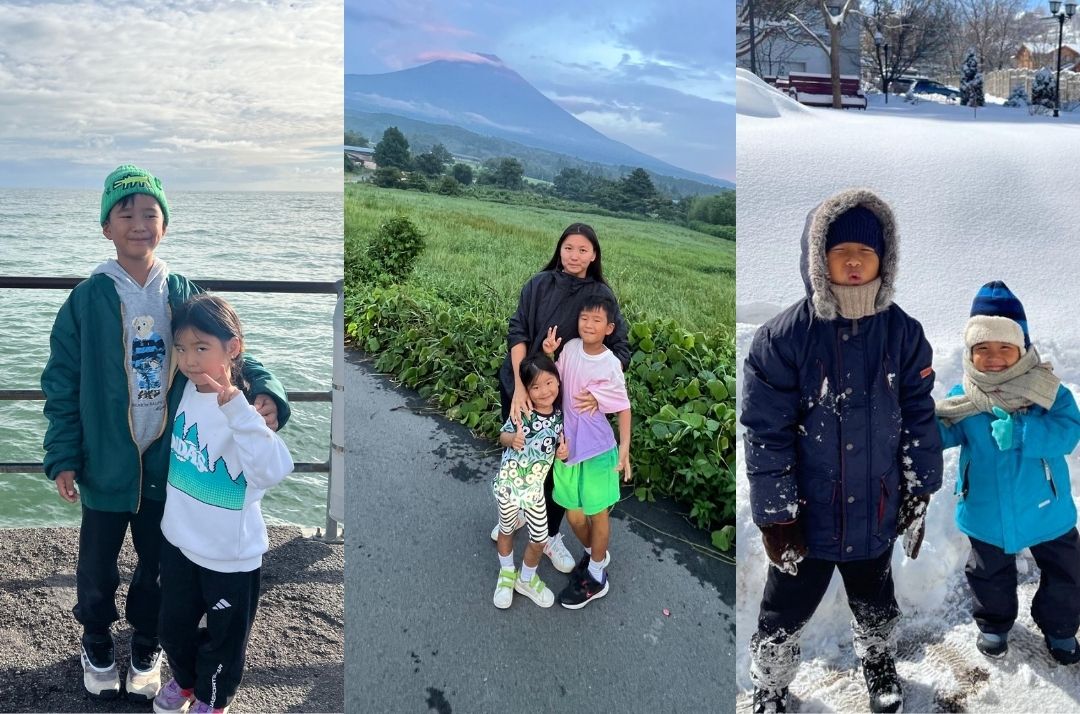
KUCHING: At first glance, Sammy Kiew Mukatayev and his younger sister, Sayuri Kiew Mukatayeva, appear like any other Sarawakian children.
However, a closer listen reveals something unique. The siblings converse fluently in Russian with their mother, switching effortlessly between languages as they navigate life in a multicultural household.
For their mother, Kazakhstan-born Ilnara Mukatayeva, preserving the Russian language was never a matter of choice.
It was a commitment she made long before becoming a parent.
“I wanted my children to be able to speak freely with their grandparents, share news, ask for advice and understand jokes. Teaching Russian to my kids was non-negotiable,” she told Sarawak Tribune.
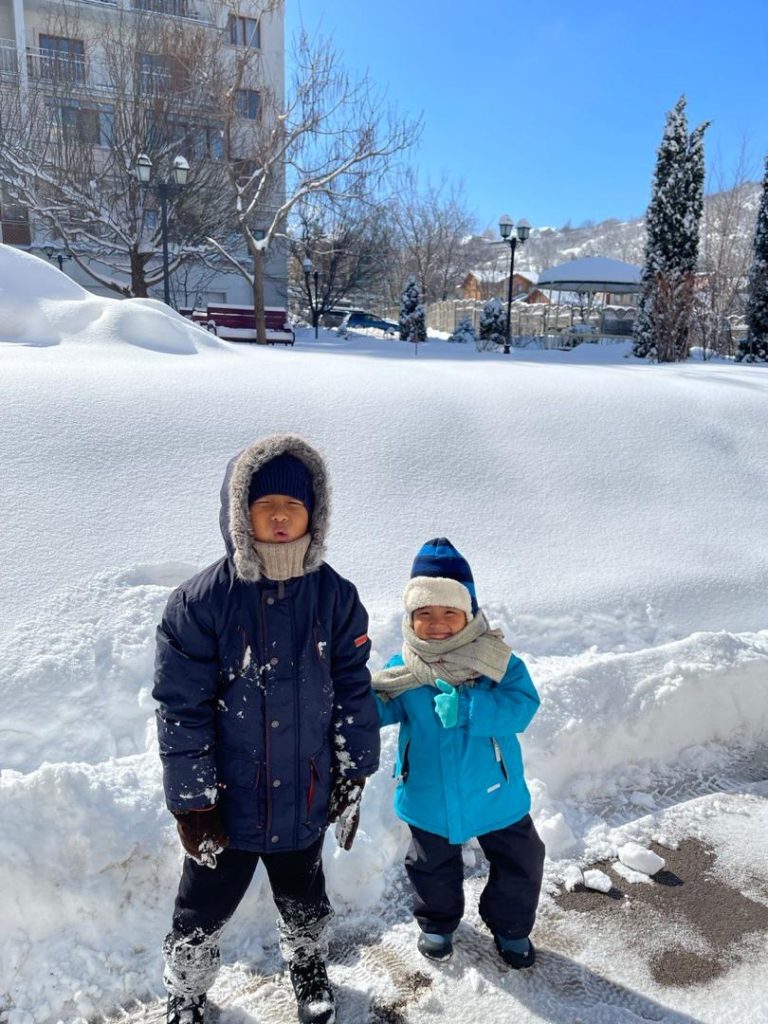
Ilnara, a graduate of Swinburne University in 2013, made Sarawak her home after marrying Ghaniy Kiew in 2014.
Together, the couple co-founded The Raw Kitchen and are raising their children in a household that embraces both Kazakhstani and Sarawakian cultures.
Growing up in Kazakhstan, Ilnara was exposed to multilingualism from an early age.
Born just a year after the dissolution of the Soviet Union and Kazakhstan’s independence, she was raised in a bilingual environment where older generations spoke Kazakh while her parents communicated mainly in Russian.
“Just like in Sarawak, we are able to communicate in many languages,” she said.
That experience, she said, strongly influenced how she approached language learning with her own children.
From the birth of their first child, she and her husband adopted the “One Parent, One Language” (OPOL) method, a widely recognised approach in multilingual families where each parent consistently communicates with their children in a different language.
“My parents would send us Russian books and we still watch movies in Russian today,” she said.
Although Sammy and Sayuri now use English more frequently after starting school, they continue speaking Russian with their mother and maintain close ties with relatives in Kazakhstan.
For Ilnara, language is far more than a communication tool. It serves as a bridge connecting her children to family members, traditions and a heritage that stretches thousands of kilometres beyond Sarawak.
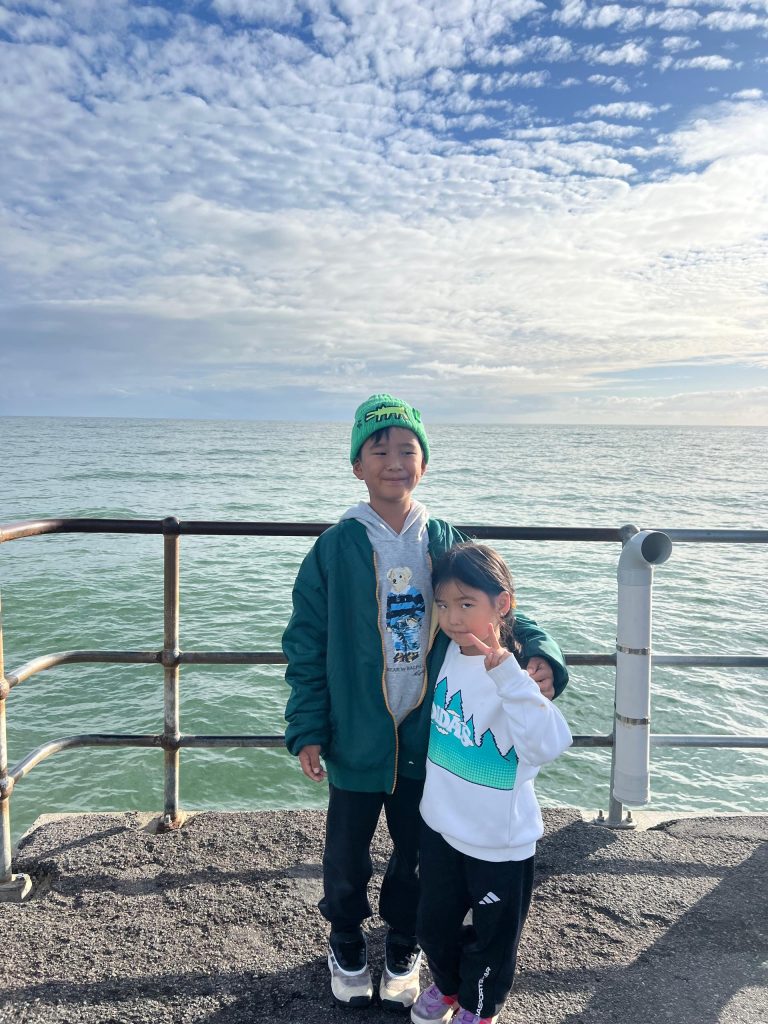
“Being able to speak Russian and some basic Kazakh helps my kids stay connected to family members. They are able to express their feelings fluently and understand and cherish traditions,” she said.
Among the traditions Ilnara has introduced to her children is ‘Tusau Kesu’, a ceremony celebrating a child’s first steps.
The tradition, which translates to “cutting the rope”, symbolically marks a child’s transition into independent walking and reflects hopes for a graceful, confident and successful future.
“We did it for both of our children when they started walking,” she said.
The family also celebrates ‘Nauryz’, the traditional New Year festival observed across Central Asia, and regularly enjoys Kazakh cuisine together.
“My kids love traditional foods, including horse meat and baursaks (Kazakh puffy bread),” she said.
Despite being raised with Kazakhstani traditions, Sammy and Sayuri are equally immersed in Sarawakian culture.
For Ilnara, the similarities between the two societies are striking.
She noted that Sarawak is home to more than 30 ethnic groups, while Kazakhstan has over 130 ethnic communities.
Such diversity, she said, allows her children to learn important values including multiculturalism, racial harmony and mutual respect from an early age.
“Personally, I feel Kazakhstani and Sarawakian cultures are very similar in many ways. Both are family-oriented and both are rooted in warmth, hospitality and diversity.
“Living in Sarawak teaches my children to be open-minded and friendly towards outsiders. When they visit Kazakhstan, they also learn the importance of respecting different religions and traditions.
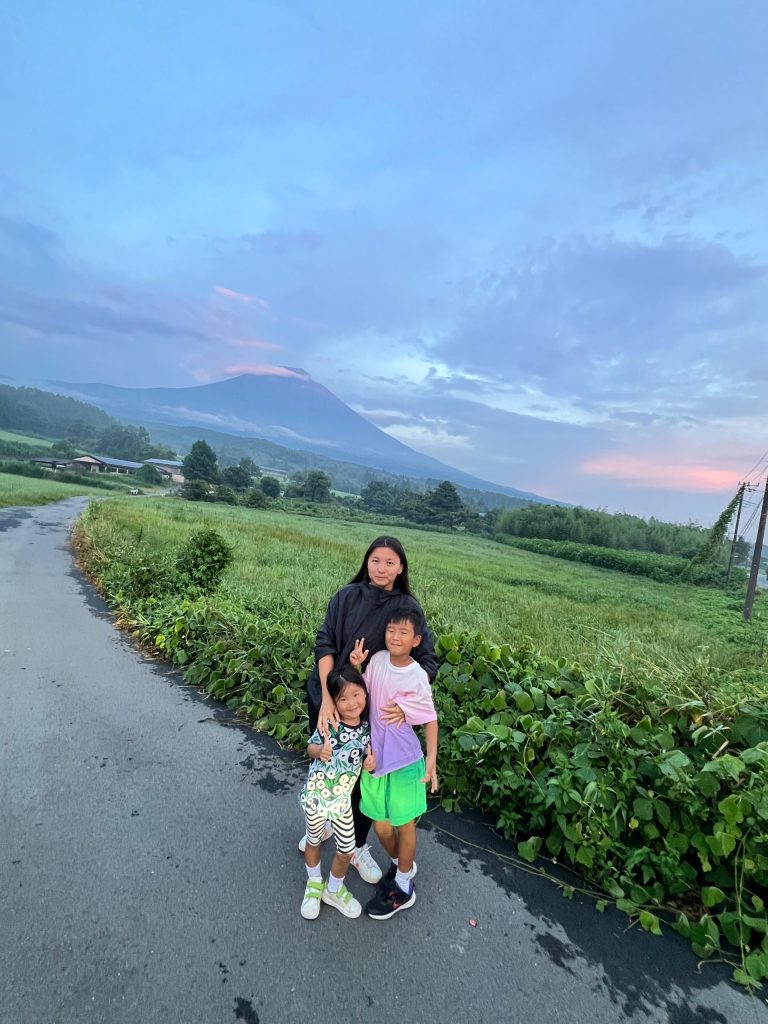
“Even though the majority of people in Kazakhstan are Muslims, we have Christians, Buddhists and many other religious communities living together peacefully,” she said.
Ilnara believes this multicultural upbringing has given her children a broader perspective and a deeper appreciation of diversity from both sides of their heritage.
Some of her proudest moments, she added, come from hearing her children converse with her in Russian.
“Since my children started schooling, they speak less Russian with each other, but they still speak Russian to me. It makes me happy that they can understand my jokes, share their feelings and even argue in Russian,” she said.
Those everyday conversations have also helped ease the distance between her and her homeland.
“I never really get homesick because I have my kids around who I can talk to. They make me feel connected to my culture and we have built a home away from home here,” she said.
According to Ilnara, her children’s linguistic abilities often surprise people they meet in Sarawak.
“People are usually surprised because my children look Chinese but they don’t sound like what they expect,” she said.
As the world marks World Russian Language Day on June 6, Ilnara hopes more parents living abroad will make an effort to preserve their mother tongue.
Language experts have long highlighted the benefits of maintaining a heritage language, noting that it helps strengthen cultural identity, deepen family connections and provide children with a stronger understanding of their roots.
“We live in a world where the mother tongue is no longer appreciated because many people want to sound like others. However, preserving your mother tongue while living abroad is vital for maintaining cultural identity, strengthening family bonds and fostering a deeper understanding of your roots,” she said.
She encouraged parents to use their native language at home, read books, sing songs and share stories from their culture with their children.
“Your mother tongue is the language of your heart, your heritage and your family’s roots. Every word you speak helps preserve your identity,” she added.