TO Sarawak, Datuk Seri Bo’ Tajang Laing was a pioneering Orang Ulu leader whose century-long life helped shape rural education, community leadership and cultural continuity across generations.
To his grandchildren, he was simply grandpa — the man who walked them to the car before every departure, organised gatherings in the longhouse and reminded them never to forget where they came from.
Across their recollections, a portrait emerges not only of a respected community leader but of a grandfather whose warmth, discipline and quiet conviction anchored family life in ways both ordinary and lasting.
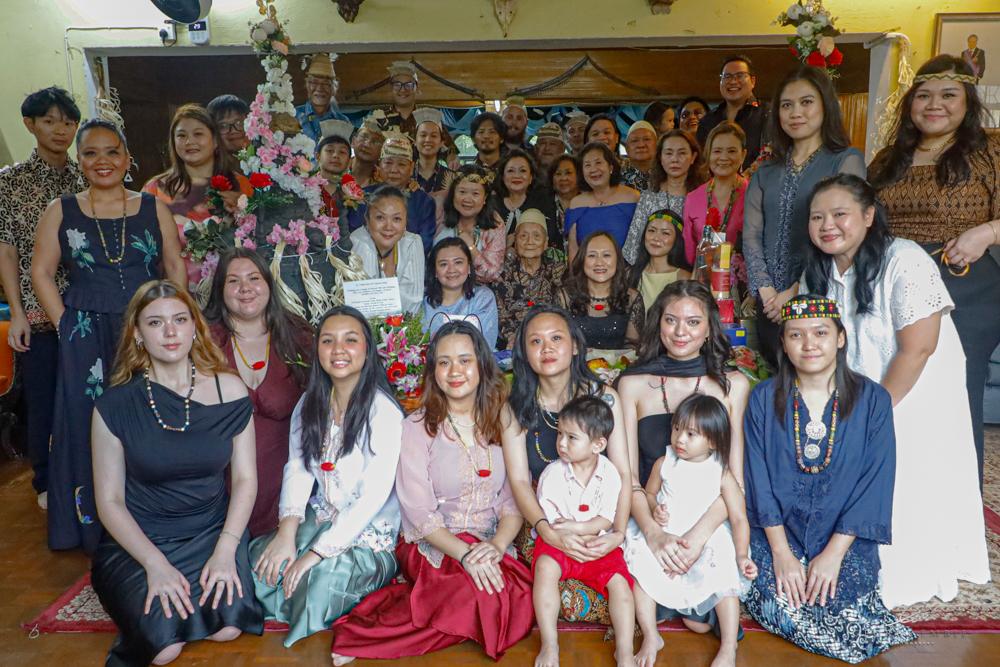
Through shared meals, cultural ceremonies, advice sessions and celebrations large and small, he remained a steady presence in their lives — someone who brought people together and ensured they stayed connected to one another and to their heritage.
A grandfather before a public figure
For Kemuhitjelo Tajang Jinggut, 44, he was never the influential personality widely recognised across Sarawak, but simply a warm and playful grandfather.
“I only knew him as my granddad. A kind, funny person who would joke around and accept our silliness,” she said.
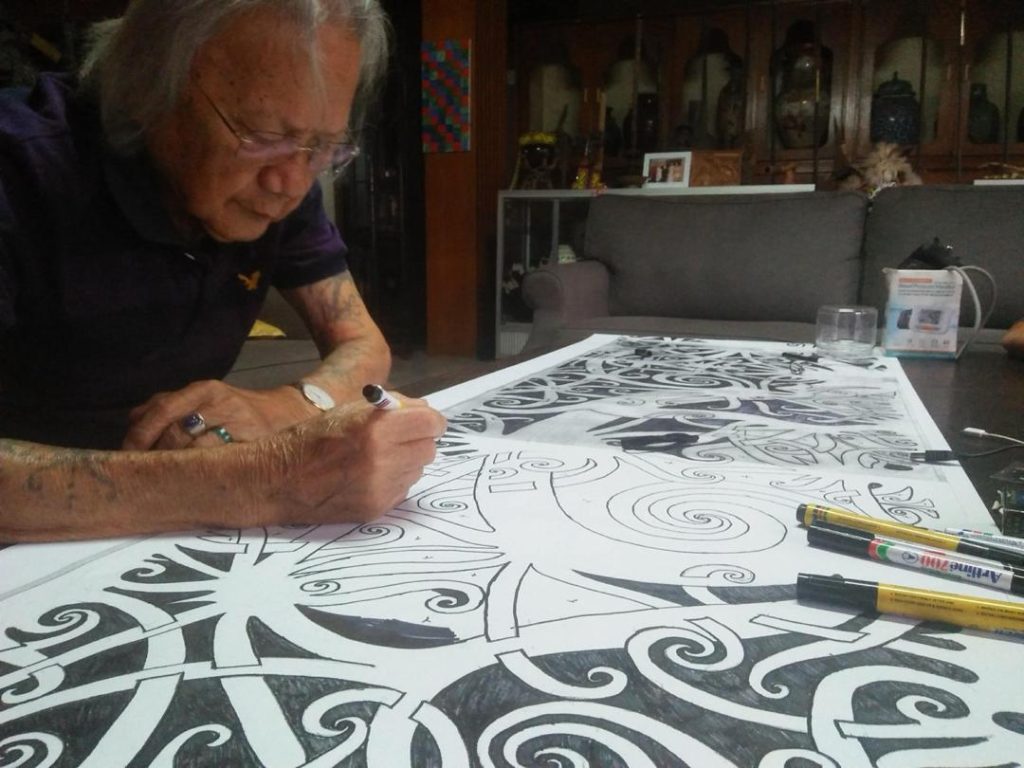
She remembered how easily he joined in their antics without hesitation.
One moment that stayed with her was a spontaneous Valentine’s Day joke when the cousins persuaded him to present their grandmother with a dusty plastic bouquet they had found around the house.
“He just went along with it and said ‘Happy Valentine’ with an accent. We all burst out laughing,” she recalled.
While earlier generations in the family described him as strict when raising his children, she said he was noticeably gentler with his grandchildren.
Yet beneath that warmth was a strong sense of discipline that left a lasting impression on her.
“If he said he was going to do something, he did it. That’s something I carry with me,” she said.
Quiet gestures that spoke volumes
For Jia Bato, 36, some of her most enduring memories were shaped not by major occasions but by small routines that reflected his care for family.
Whenever the family prepared to leave his house in Bukit Antu, he would walk them down the stairs and stand outside waving them off before they departed.
“He always made sure to see us off,” she said.
She believed the gesture reflected longhouse traditions where farewells carried meaning beyond routine departures.
“That was his way of showing love.”
His instinct to celebrate people, even during difficult times, also stood out.
After she completed her SPM examinations following a difficult experience, he organised a gathering for her anyway.
“He said, ‘Let’s celebrate. You finished SPM.’”
Years back, after the passing of her father in May 2002, he again insisted on celebrating her mother’s birthday in August despite her reluctance.
“He believed people still needed to be celebrated,” she said.
He also encouraged unity within the extended family, even proposing a cousin fund to support milestones such as weddings and gatherings.
“He always reminded us to make sure no one gets left behind.”
Meeting grandchildren at their level
For Devong Sabyne Tajang-Lloyd, 25, one of her clearest childhood memories was unexpectedly simple.
During a Christmas visit, he sat with the children and shaped a small Play-Doh animal with them.
“It was such a small thing, but it stayed with me. He came and played with us,” she said.
Because she spent much of her early years living away from Sarawak, the time she later spent with him became especially meaningful.
“These last few years allowed us to really connect with him,” she said.
What stood out most to her was his clarity of purpose — not only in family life but in his service to others.
“He never forgot why he did what he did. It wasn’t just for family, but for people in rural areas,” she said.
That sense of purpose became one of the most important lessons she carried forward.
“When you start something, don’t forget why you started.”
Roots in the longhouse
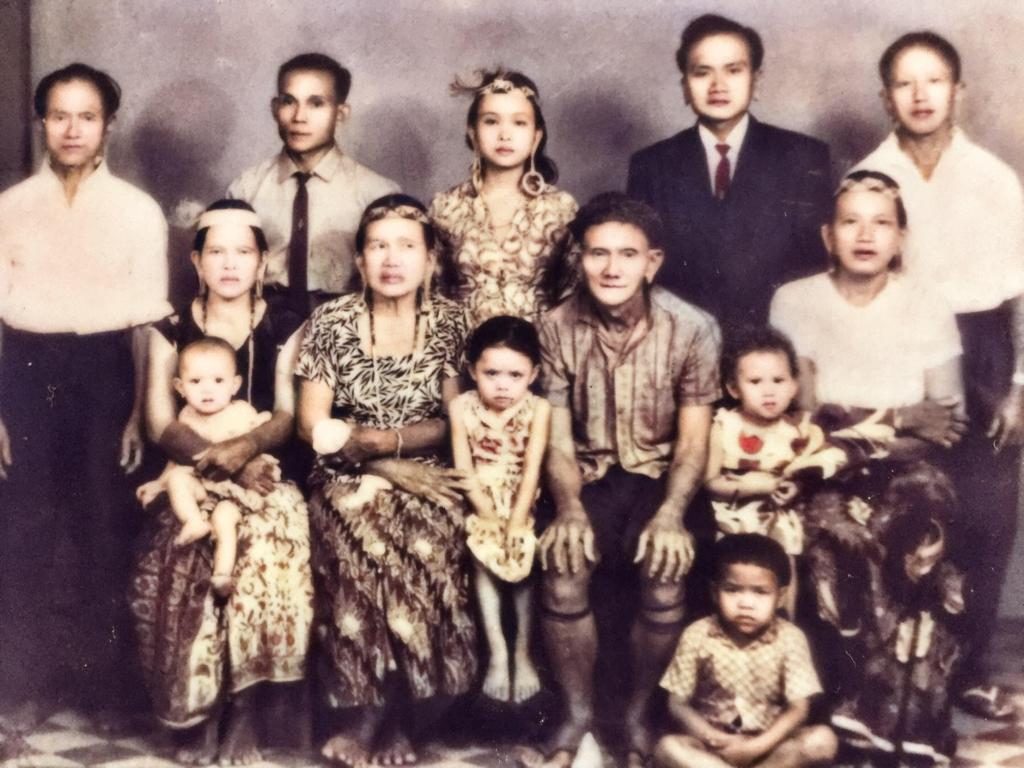
For Tajang Jinggut, 41, childhood memories were shaped by time spent upriver at the family’s original longhouse in Long Linau in the Balui area.
“Almost every school holiday we were sent back. Grandpa and grandma made sure we spent time with everyone there,” he said.
Those experiences reflected the same values that guided his grandfather’s leadership — especially his commitment to rural communities.
“He always explained why helping rural people mattered to him. It came from how he grew up,” he said.
He also emphasised the importance of cultural identity, ensuring younger generations remained connected to their roots.
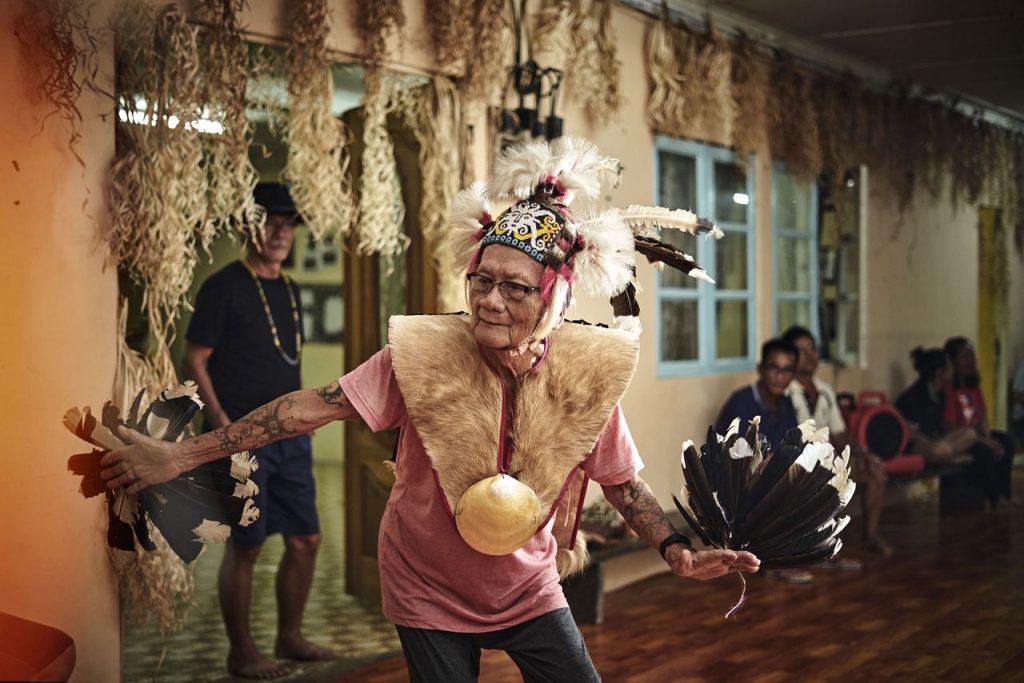
The family continues to practise Bungan traditions, including Dayung ceremonies he personally led for many years.
“He taught us to practise our culture so we never forget where we come from,” he said.
Even as he encouraged younger family members to pursue opportunities beyond Sarawak, he reminded them to remain grounded in their heritage.
“He wanted us to go far, but not forget our roots.”
Now a father himself, he said he was grateful his young son had the opportunity to know his great-grandfather.
“That’s something not many people have,” he said.
A lifetime of organising and guiding
For Helong Ajang, 39, memories of her grandfather were closely tied to his energy during family and community gatherings.
“He always had something going on. There was never a time when nothing was happening,” she said.
He was often at the centre of organising events, guiding preparations and ensuring everything ran smoothly.
“He would direct everything and make sure it was done properly,” she said.
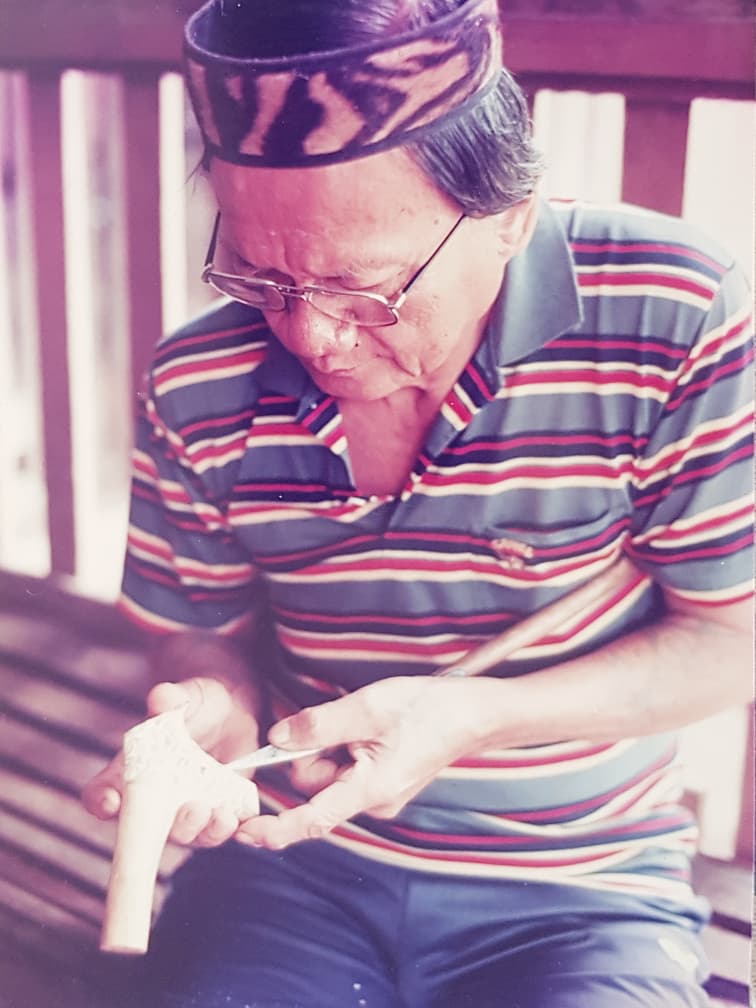
Even during celebrations held in his honour, he remained actively involved.
At home, she said, he revealed a more spiritual side that many outside the family did not always see.
“He was very spiritual in the way he believed in things,” she said.
One lesson she carried from him was resilience.
“He taught us to stay strong, even when facing problems.”
Family gatherings in the longhouse often included performances and cultural activities, with each grandchild encouraged to take part.
“He made sure everyone participated,” she said.
Inspiring the next generation
For Trinity Bungan Tajang, 25, some of her fondest memories were formed during the Covid-19 pandemic when extended family members spent long periods together at home.
“That was when we really bonded,” she said.
During that time, her grandfather continued weekly Dayung prayers for the household’s protection, reflecting his deep spirituality and role as a cultural elder within the family.
“He would explain dreams and their meanings,” she said.
His influence also shaped her early interest in politics.
From a young age, she aspired to follow in his footsteps and later pursued studies in international relations and politics.
“He always said people first. But you must think long term,”she said.
Rather than focusing only on short-term assistance, he encouraged her to consider sustainable solutions for communities — education, employment and opportunities for future generations.
“He wanted us to think beyond today,” she said.
At home, however, he remained simply a grandfather who enjoyed everyday routines — watching action films, especially James Bond, and ensuring birthdays were always celebrated.
“He always made sure everyone’s birthday was special,” she said.
Across all six accounts, one theme emerged consistently — presence.
Grandchildren spoke of shared meals, regular visits, longhouse gatherings and quiet moments that anchored family life.
“You always felt important when he greeted you,” Kemuhitjelo said.
For Jia, the loss is felt most in the absence of everyday routines.
“I used to come here almost every other day just to have lunch with him. That’s what I will miss most,”she said.
For others, it is the sense of unity he fostered that stands out most clearly.
“He was always the reason we gathered,” Devong said.
“He made sure we stayed together,” Trinity added.
And in doing so, they believe, he ensured that the values he carried through a century of life will continue into the generations ahead.
Tajang, once the assemblyman of Belaga who was the first Orang Ulu to be named a full minister in Sarawak’s first Cabinet in 1963, passed away on Thursday (April 23) night at the age of 100.