MIRI: Sarawak has become the first state in Malaysia to successfully pilot the cultivation of perennial rice, a breakthrough that Premier Datuk Patinggi Tan Sri Abang Johari Tun Openg believes could reshape the state’s agriculture sector by lowering production costs, increasing yields, and strengthening long-term food security.
Describing the project as a significant milestone, he said the successful cultivation demonstrated how scientific research and innovation could unlock the agricultural potential of Sarawak’s vast peatlands, which have long posed challenges for conventional farming.
He congratulated Borneo Paddy Land Sdn Bhd and China’s Yunnan University for the success of the pilot project, saying the collaboration had produced encouraging results that could pave the way for wider adoption across the state.
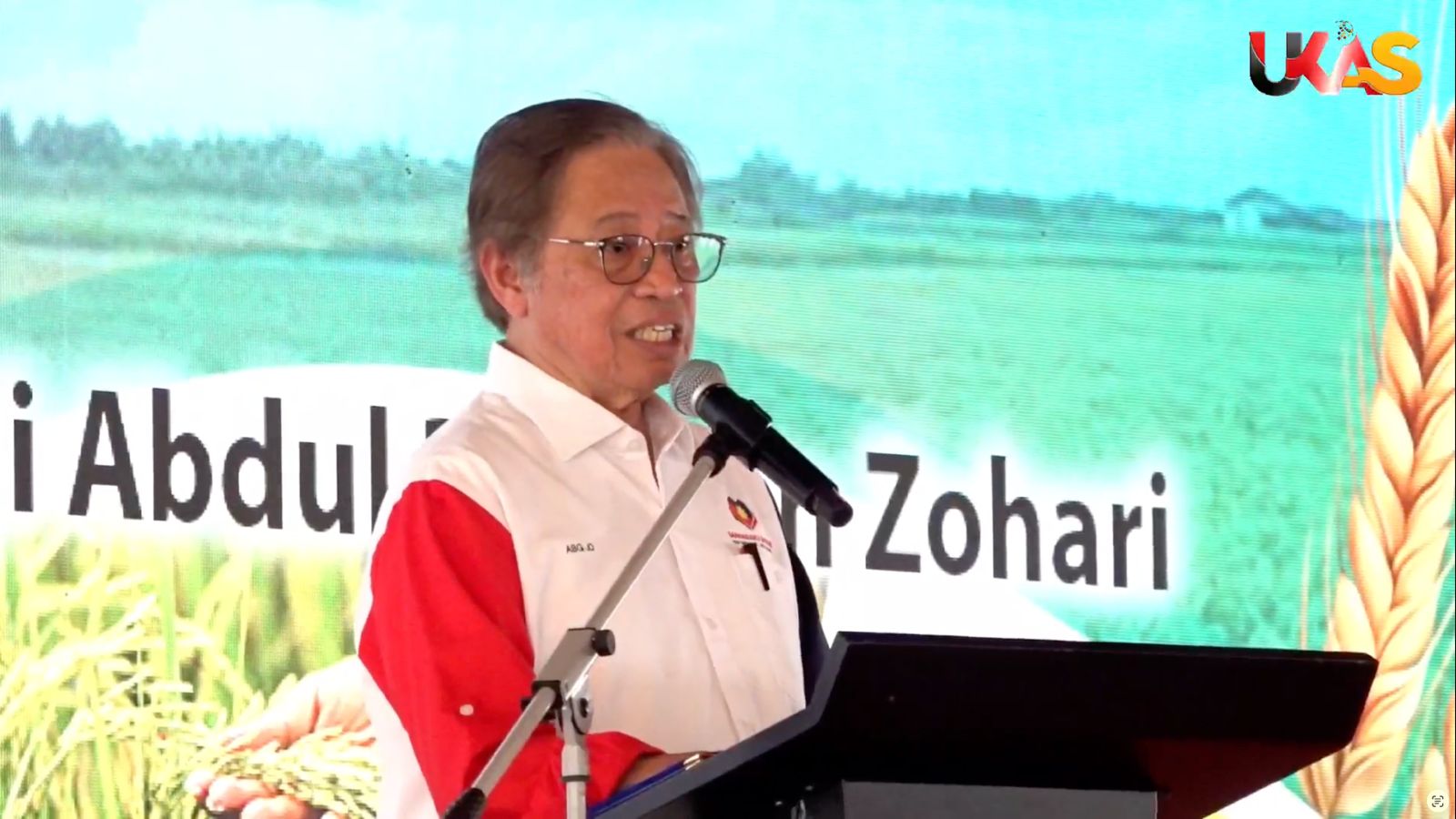
“I think we made a breakthrough today. I don’t think there is perennial rice in Malaysia yet, so Sarawak is the first,” he said when officiating at the Harvesting Ceremony of the Perennial Rice Pilot Project in SK Kuala Baram 2 today.
Unlike conventional paddy cultivation, perennial rice regenerates from its existing root system after harvesting, eliminating the need for farmers to replant the crop after every harvest.
Abang Johari said the technology is capable of reducing production costs by about 50 per cent while increasing rice production from the same field.
He admitted he had initially been sceptical when the idea was first introduced.
“At first, I didn’t believe it. They tried to convince me, but I asked, ‘Is it really true?’ Today, we have seen it with our own eyes. It really exists,” he said.
Abang Johari said the project also challenges the long-held perception that peat soils are unsuitable for paddy cultivation.
He pointed out that advances in agricultural science have opened new possibilities for utilising land previously considered unproductive.
“Sarawak will continue investing in research to better understand where perennial rice can be cultivated successfully, including studying peat depth, soil conditions, climate and water management to maximise productivity,” he said.
Abang Johari said digital technologies, including artificial intelligence and data analytics, would become increasingly important in supporting precision agriculture by enabling researchers and farmers to monitor crop performance, weather patterns and water levels in real time.
Calling the project a prime example of how science can transform traditional agriculture, he said the breakthrough has the potential not only to improve farmers’ livelihoods but also position Sarawak at the forefront of agricultural innovation in Malaysia.
“This is indeed a breakthrough in rice production using a scientific approach, and I must congratulate everyone involved,” he added.