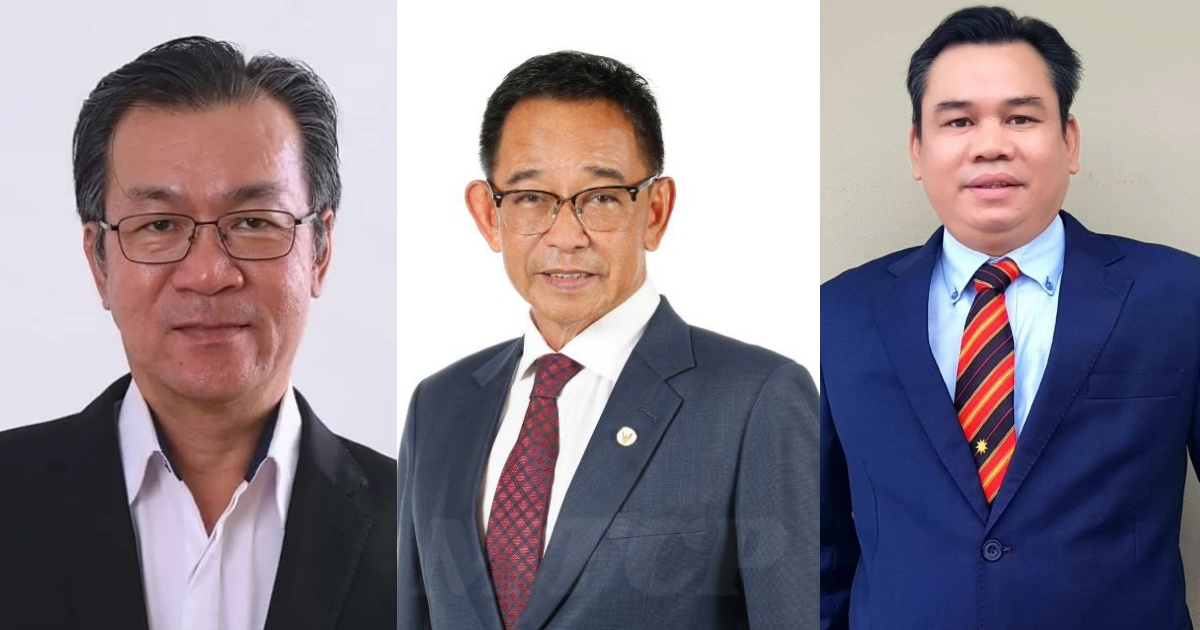
KUCHING: The delay in implementing Sarawak’s 17 new state constituencies should prompt scrutiny of the constitutional timeline rather than a search for blame.
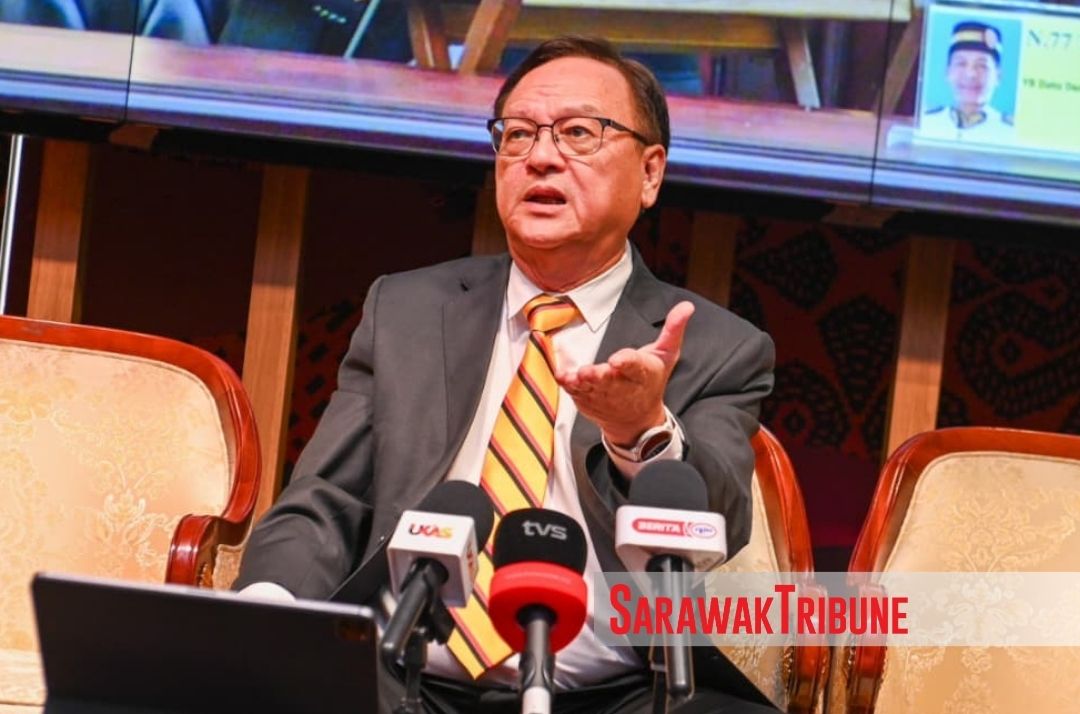
Responding to the Election Commission’s (EC) indication that the additional seats may not be ready for the coming Sarawak election, Batu Kitang assemblyman Datuk Lo Khere Chiang said the development was disappointing but not unexpected, given the number of legal and constitutional procedures still required before the expanded 99-seat State Legislative Assembly (DUN) can take effect.
“The news does not come as a surprise to me, although it is certainly disappointing,” he said.
Lo, who is also the Sarawak United People’s Party (SUPP) deputy secretary-general, stressed that Sarawak had already fulfilled its responsibility when the DUN approved the addition of 17 seats on July 7, 2025, followed by the enforcement of the Dewan Undangan Negeri (Composition of Membership) Ordinance 2025 on Aug 8, 2025, which formally increased the prescribed membership from 82 to 99.
However, Lo said the legislation only marked the first stage of the process.
The next and more complex phase involves the EC carrying out a constitutional redelineation exercise to determine the boundaries of the 17 new constituencies before they can be legally used in an election.
He explained that the exercise requires the EC to prepare and publicly display proposed boundaries, receive objections and representations, conduct local inquiries where necessary, revise proposals if required, and finalise its recommendations.
The final report must then proceed through the federal constitutional process, including consideration by the Dewan Rakyat and the issuance of the necessary legal Order before the new boundaries take effect.
“The question was always whether there would be sufficient time to complete all these stages before the next Sarawak election,” he said.
Lo said the more important issue is whether the situation could have been avoided had the process begun much earlier.
Expressing disappointment over the delay, he said Sarawak’s pursuit of additional seats is rooted in ensuring fair and meaningful representation rather than merely increasing the number of constituencies.
“Representation is not merely about creating additional constituencies. It concerns whether Sarawak has an effective and meaningful voice within the Federation,” he said.
He noted that the decision to expand the DUN reflected Sarawak’s unique geographical size, dispersed population and the need to improve representation across the state.
Despite that, he said the redelineation process did not progress at the pace many Sarawakians had expected.
Lo said this raises a legitimate question over whether the necessary federal and EC procedures could have been initiated soon after Sarawak passed the legislation in mid-2025.
“When a process involves numerous constitutional stages — public displays, objections, inquiries, revised proposals, a final report and parliamentary procedures — every month matters.
“A delay at the beginning inevitably places greater pressure on the timetable at the end,” he said.
On whether the EC acted too late, Lo urged the public to distinguish between the commission’s constitutional responsibilities and the broader sequence of events that determined when the exercise commenced.
“I think we must be fair to the Election Commission,” he said.
Rather than assigning blame, Lo said attention should focus on why the overall process was not set in motion earlier after Sarawak had already made its position clear through the DUN.
“If the relevant steps at the federal level could have been taken earlier, then the question that naturally arises is whether the EC could also have begun its work earlier,” he said.
He added that accountability is essential because constitutional processes affecting Sarawak should be handled promptly and with the seriousness they deserve.
Lo maintained that Sarawak is not seeking special treatment but the faithful implementation of the commitments and safeguards associated with the Malaysia Agreement 1963.
“For Sarawakians, this is ultimately about fair representation, constitutional respect and ensuring that Sarawak’s voice within Malaysia is properly recognised,” he said.