KUCHING: Sarawak’s renewable hydropower exports to West Kalimantan, Indonesia have positioned the state as a reliable regional energy powerhouse.
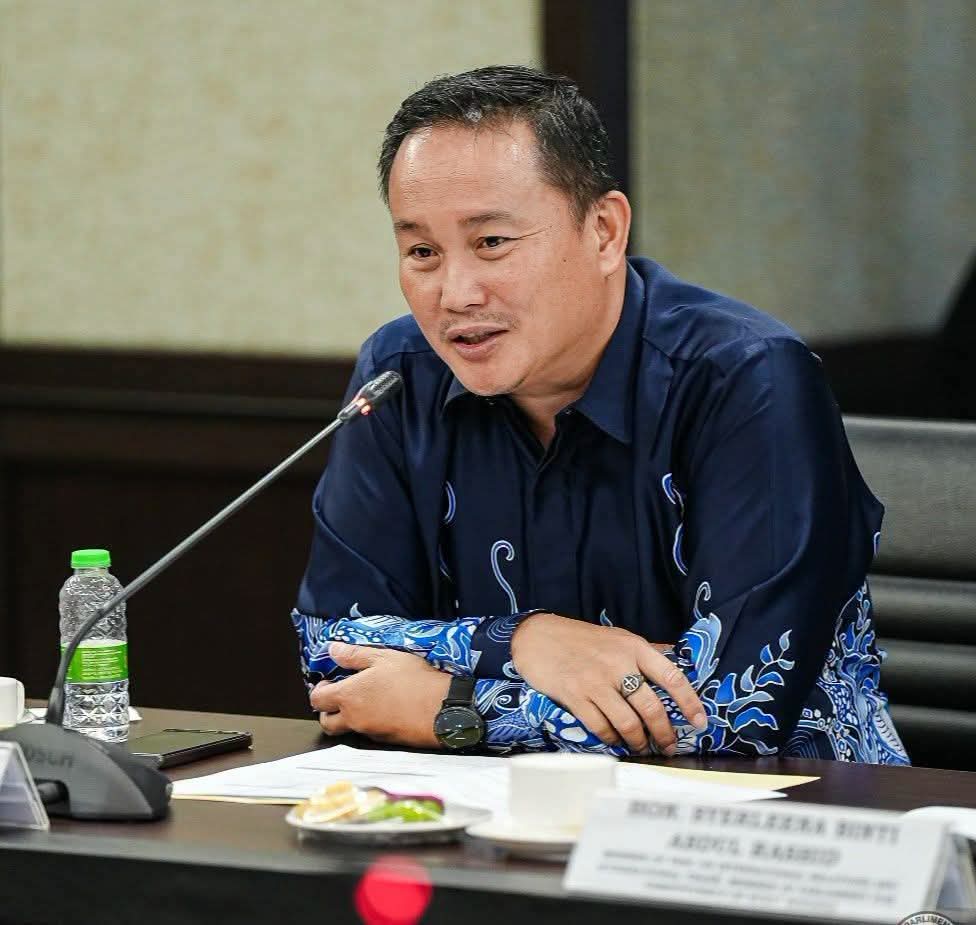
Minister for Utility and Telecommunication Datuk Seri Julaihi Narawi said this achievement not only demonstrates Sarawak’s technical and operational capabilities but also delivers clean energy at competitive prices across borders while fostering cross-country economic cooperation.
Building on this success, he said the ministry continues to advance policies, technical standards and commercial frameworks to strengthen Sarawak’s grid connectivity both domestically and regionally.
“This effort is part of a broader vision to build a more interconnected Borneo, supporting Malaysia’s aspiration to realise the ASEAN Power Grid (APG).
“The APG initiative will enable a more resilient, sustainable and integrated regional energy system, aligned with Sarawak’s sustainability goals and its role in supporting the regional energy transition,” he said in his speech during the Sustainability and Renewable Energy Forum 4.0 (SAREF 4.0), powered by Sarawak Energy and officiated by Premier Datuk Patinggi Tan Sri Abang Johari Tun Openg at the Borneo Convention Centre Kuching (BCCK), here today (Sept 3).
Similarly, Julaihi noted that the recent amendments to the Sarawak Electricity Ordinance 2023 marked a major milestone for the state.
He said the amended Ordinance introduces clearer procedures and structured incentives, providing regulatory certainty that attracts independent power producers (IPPs) and private sector investments.
“With this step, the potential for new power generation projects, including renewable energy and hybrid solutions, can be realised more quickly and transparently, contributing to a more dynamic energy market,” he said.
Expanding further, Julaihi said that his ministry is upgrading infrastructure alongside regulatory improvements, beginning with the Electricity Rules 1999, followed by the Sarawak Electricity Ordinance, Chapter 50 (2003), and most recently, the Electricity (Amendment) Ordinance 2023.
He said these legal enhancements enable the transition to a low-carbon energy system by integrating renewable energy sources while maintaining system reliability and affordability.
Under the mandate of the Ministry of Utility and Telecommunication, he said the ministry is tasked with formulating policies and regulations while ensuring sufficient, reliable, efficient, affordable and safe electricity supply throughout Sarawak.
The ministry also oversees licensing, technical standards, and rural electrification programmes through the Electrical Supply Division, supporting both urban and remote communities.
“Our commitment to achieving full electrification across Sarawak is in line with the United Nations Sustainable Development Goal (SDG) 7 – Affordable and Clean Energy, which calls for universal access to modern energy services,” he added.
Despite challenges such as low access levels in some areas and complex geography, he noted that 99 per cent of rural communities now have access to 24-hour electricity supply.
This, he said, has contributed to overall statewide coverage of 99.6 per cent as of Dec 2024.
“The core role carried by the ministry places us as the key facilitator for projects that expand energy access, in line with Sarawak’s green development agenda,” he said.