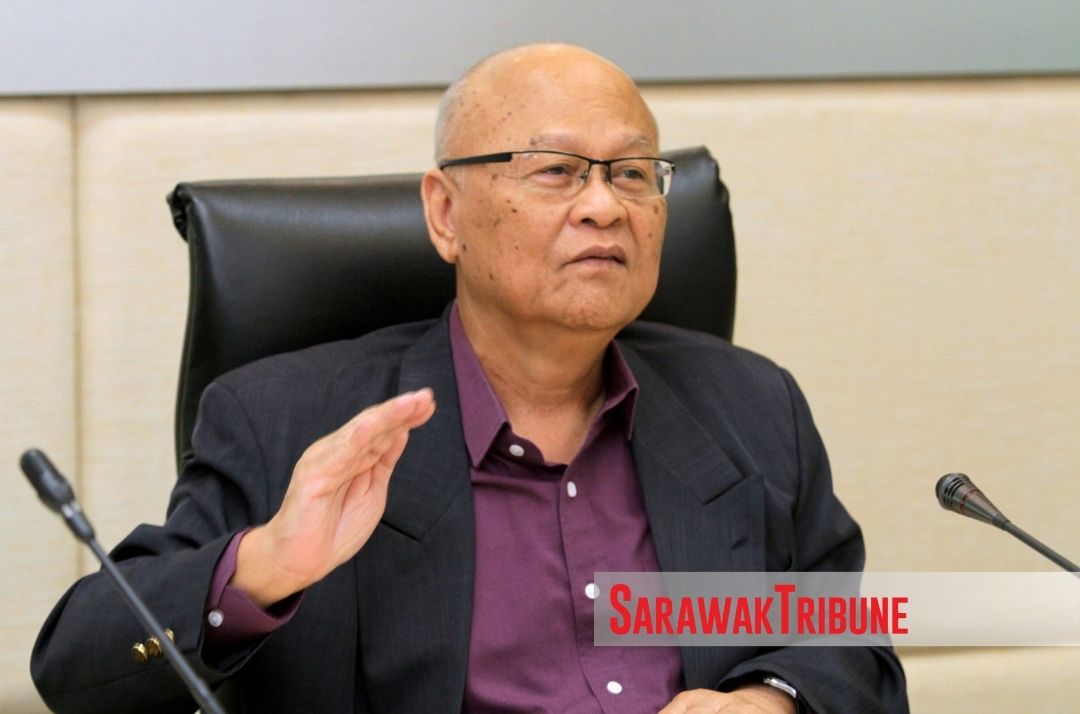
KUCHING: Sarawak should focus on developing its abundant biogas and biomass resources as immediate opportunities to drive clean energy investments while laying the foundation for a future hydrogen economy, says Borneo Biogas chief executive officer Wen-Bin Qian.
He said the state already possesses the resources needed to kick-start commercially viable renewable energy projects and should prioritise practical, near-term solutions rather than relying solely on long-term ambitions.
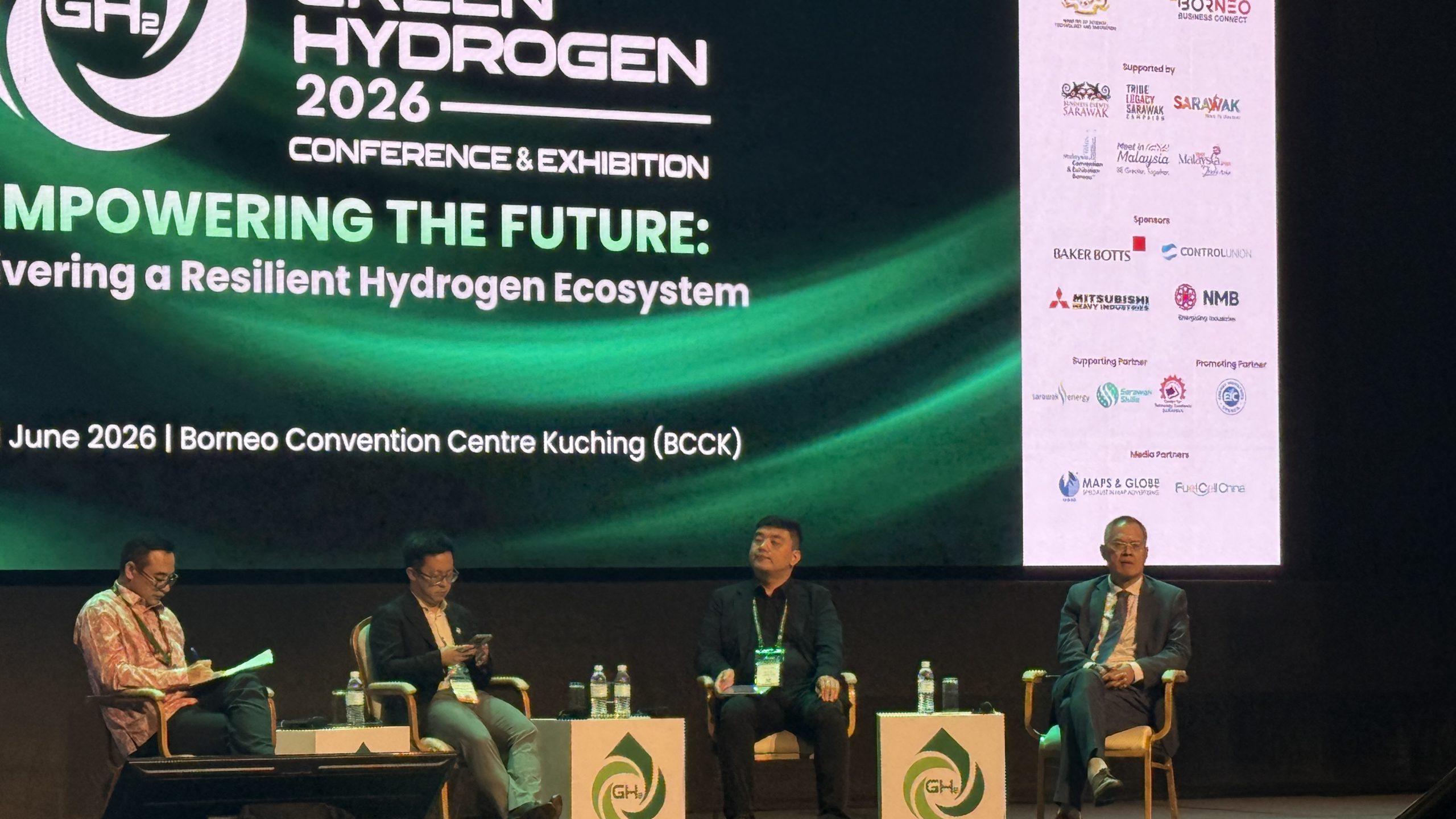
“Vision is right, but the thing in between is the journey. It is really important to look at the low-hanging fruits and look at what we have today, what we can deliver today,” he said during a panel discussion titled “Clean Energy Integration for a Sustainable Energy Supply” at the Asia Pacific Green Hydrogen (APGH) Conference and Exhibition 2026 held here on Wednesday (June 10).
According to Wen-Bin, Sarawak holds a unique advantage due to its vast palm oil industry, which generates significant quantities of wastewater that can be converted into renewable energy.
He explained that wastewater from palm oil mills naturally produces methane gas, a greenhouse gas with a global warming potential about 28 to 32 times higher than carbon dioxide.
Borneo Biogas captures this methane from treatment ponds, purifies it into biomethane and liquefies it for export to Singapore as renewable liquefied natural gas (LNG).
“Today, our objective is not about vision. It is about putting something on the ground and bringing in early-stage investments.”
He said Sarawak’s renewable energy strategy should be grounded in economic realities and local strengths.
“Don’t do it because you have it. Do it because it is strategically linked to local needs.”
He noted that while hydrogen remains an important component of future decarbonisation efforts, hydrogen alone cannot support downstream industries.
Instead, he said Sarawak’s abundance of biomass and biogenic carbon gives it a significant competitive advantage in developing sustainable fuels and low-carbon chemical products.
“Sarawak has a lot of water and a lot of biomass. When you talk about downstream industries, you need carbon. Sarawak has a lot of biogenic carbon, and then the value chain is complete.”
Wen-Bin pointed to sustainable aviation fuel (SAF) as one example of how Sarawak’s biomass resources could be transformed into higher-value products.
He said the state produces about four million tonnes of empty fruit bunches annually, which could potentially generate around 200,000 tonnes of SAF each year through existing conversion technologies.
He also highlighted the potential of biomethane to support Sarawak’s public transportation ambitions, noting that the resource could eventually contribute to fuel supplies for the Autonomous Rapid Transit (ART) system.
According to him, biogas and biomass should not be viewed as competitors to hydrogen but as complementary resources within a broader clean energy ecosystem.
“Biogas, biomass and hydrogen are all part of clean energy integration. Their key ingredient is carbon, and without carbon you will not be able to develop many downstream chemical products.”
Despite the opportunities, Wen-Bin acknowledged that infrastructure challenges remain a major obstacle to scaling up the sector.
He said Sarawak currently lacks pipeline networks and feed-in tariff mechanisms available in other markets, making transportation and commercial aggregation more complex.
“One key challenge is aggregation. We need to line up all the mills and bring them together. Another challenge is transportation because there are no pipelines, so we have to transport the gas to central facilities for liquefaction.”
Nevertheless, he expressed confidence that the industry is making progress, adding that the company’s project has received strong support from relevant agencies and is already at an advanced stage of development.
Wen-Bin said Sarawak remains one of the few regions in the world with the combination of renewable resources, biomass feedstock and industrial potential needed to build an integrated low-carbon energy economy.