Beyond the food on our tables lies a deeper story – one woven through heritage, craftsmanship and identity. Sarawak’s traditional tableware reveals the cultural connections behind every meal and the communities that preserve them.
Tradition on the table
AN important part of our heritage that must be preserved is the tradition of food presentation, which is symbolic of our identity. From the ingredients we use, to the food we eat – even the plates we use to serve our meals – each element reflects our cultural identity.
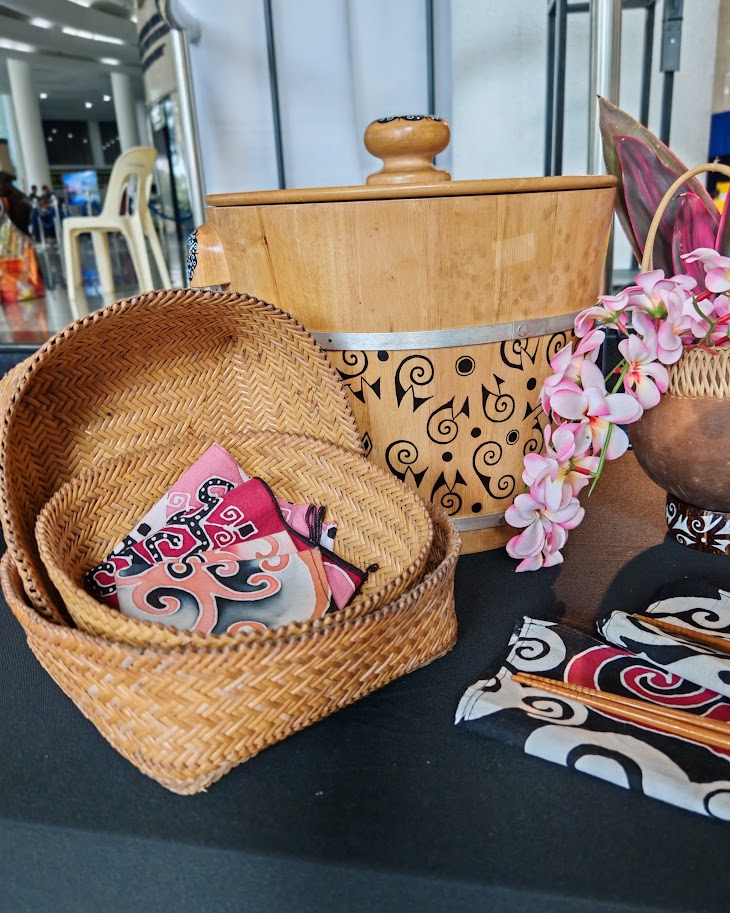
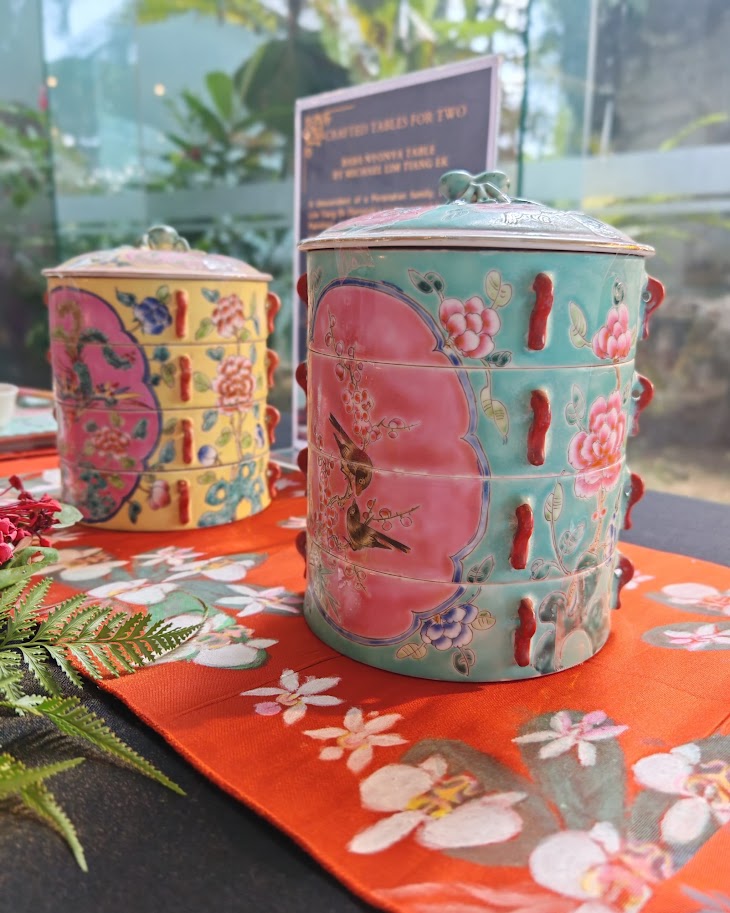
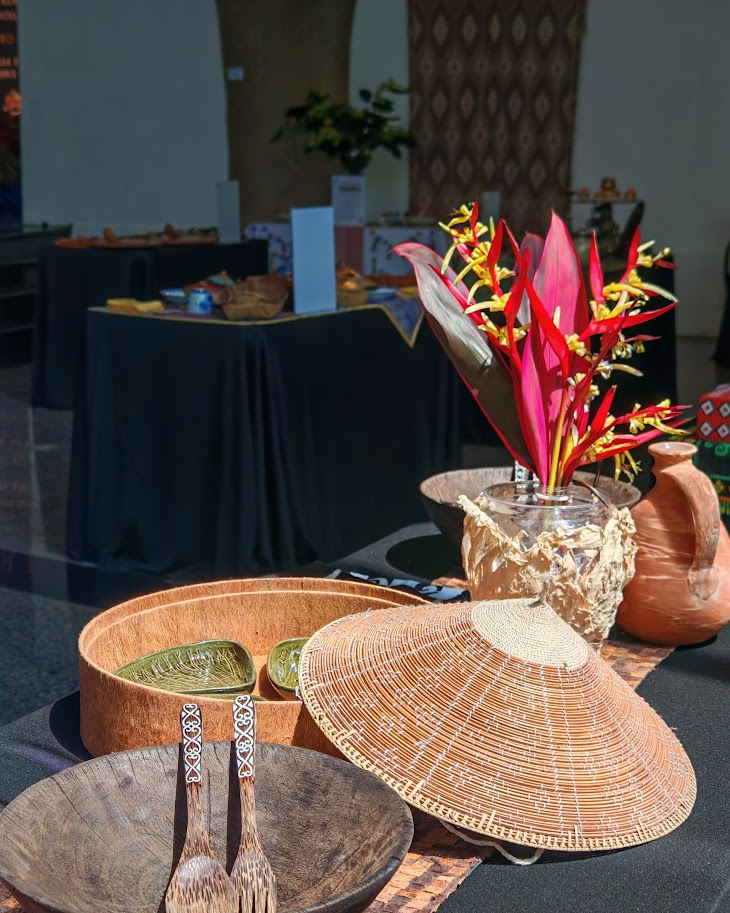
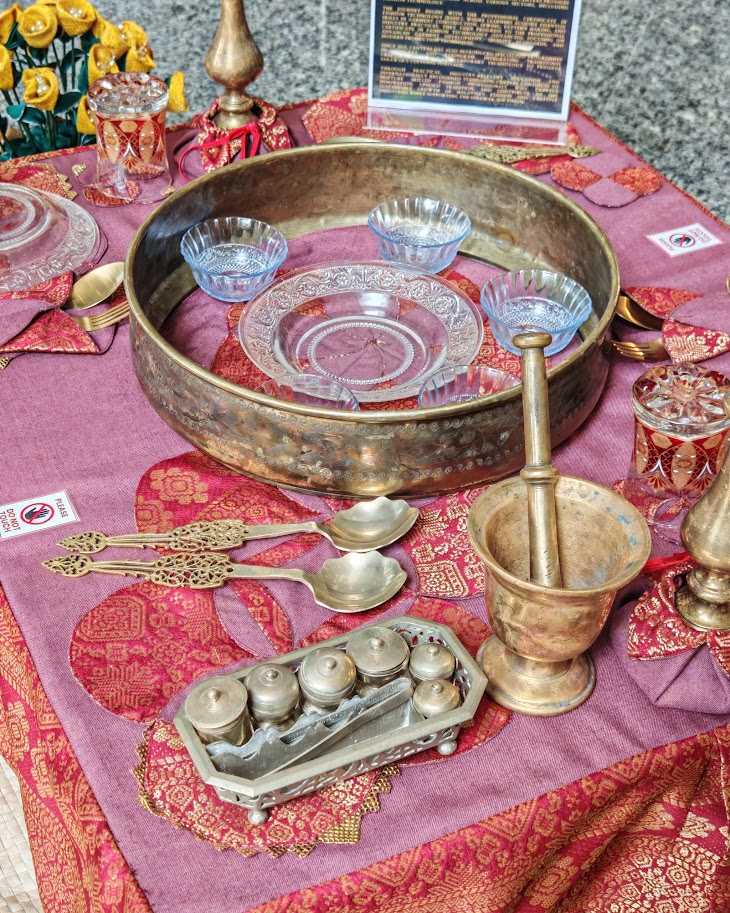
Reflecting the connection between culture, cuisine and craftsmanship, the ‘Crafted Tables for Two’ exhibition at the MBKS lobby showcased how Sarawak’s table-setting traditions are intertwined with the artistry of its multi-ethnic communities.
Held alongside the Kuching Food Festival and UNESCO Creative Cities Network (UCCN) Gastronomy Conference, the exhibition celebrated Kuching’s recognition as a UNESCO Creative City of Gastronomy and World Crafts City.
Curated by renowned designer and crafts advocate Edric Ong, the exhibition was jointly organised by the Sarawak Craft Council, MBKS and Society Atelier Sarawak. Weekend workshops were also held to encourage public participation and greater appreciation of Sarawak’s rich craft heritage.
Apart from the showcase, visitors can also take part in weekly traditional tea art sessions conducted by the Persatuan Seni Budaya Teh Kuching. Set around a handcrafted Belian ironwood table and chairs created by artisan Mu Yi, the sessions offer an immersive tea-drinking experience while introducing participants to the rich culture, history and traditions behind the art of tea.
The ‘Crafted Tables for Two’ exhibition runs until August 16, from 9:00 am to 5:00 pm every day.
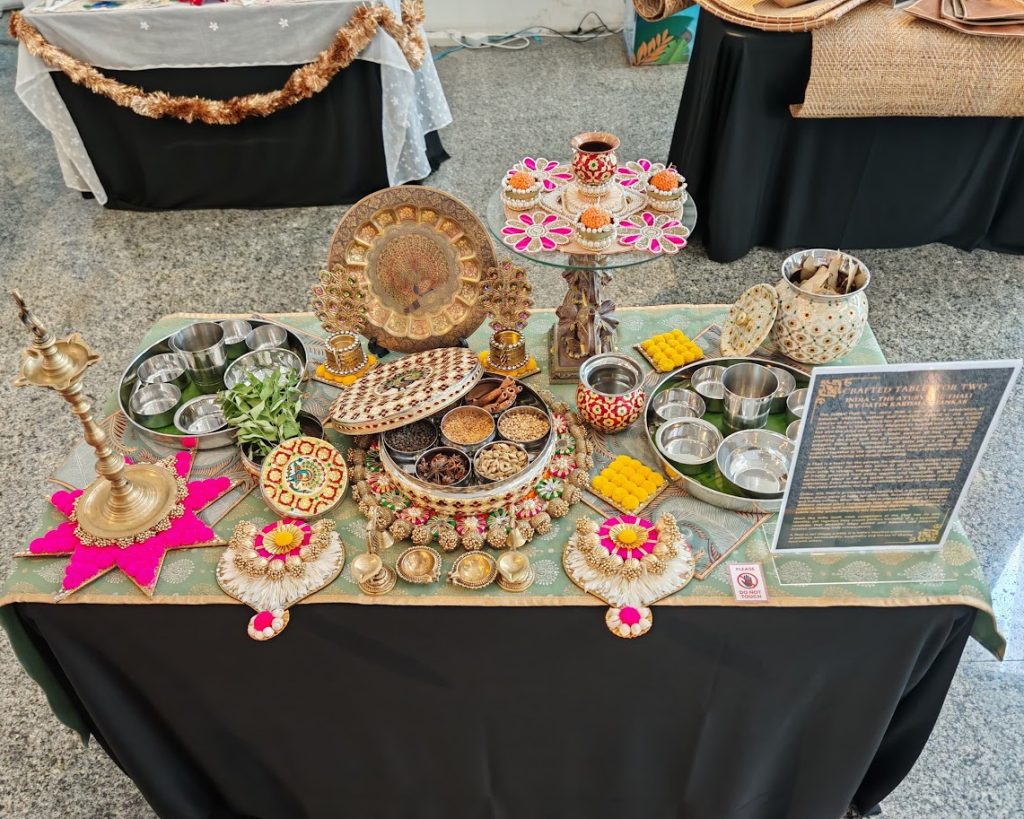
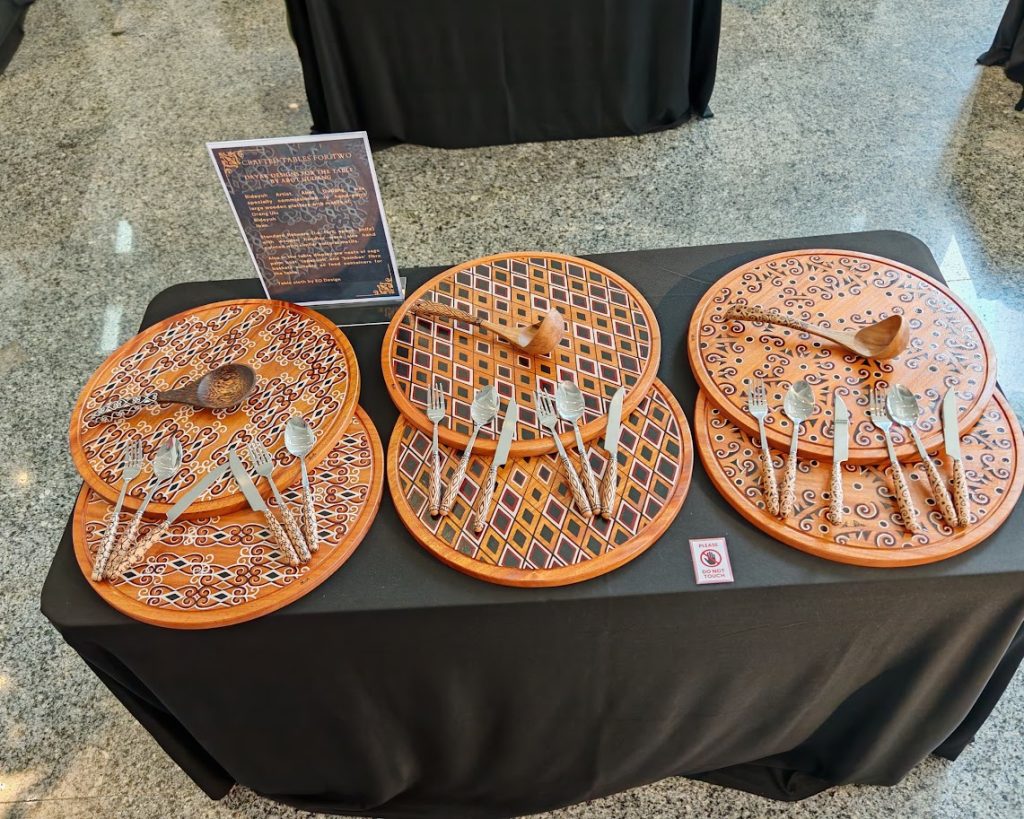
Crafted tables for two
Crafted with Sarawak’s multicultural community in mind, Ong gathered 14 Sarawak community groups and six curators from different ASEAN countries to showcase the cultural stories behind each tableware collection. More than just decorative pieces, each display highlights the cultural significance of vessels used in respective food traditions.
The exhibition not only offers a glimpse into the past, but also highlights the unique characteristics and intricate craftsmanship behind each piece. Through the displays, Ong hopes the public will gain a greater understanding of how different communities traditionally ate and presented their food.
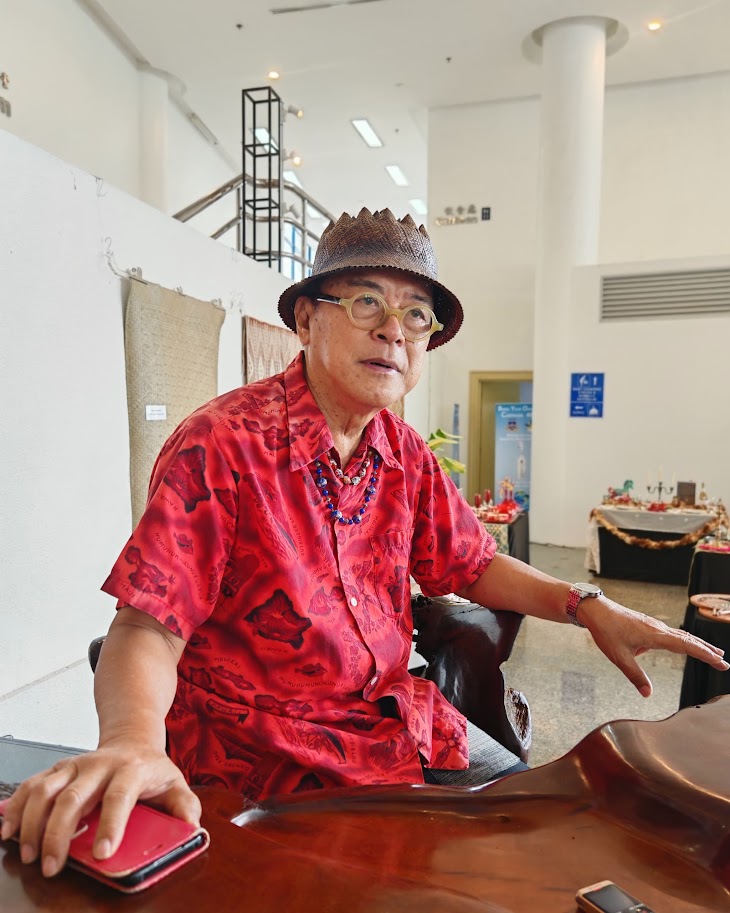
“We wanted to create awareness of how food is served in different vessels, placed on table mats and arranged on the table. At the same time, we want to promote our Sarawak crafts for the table and highlight the different artisans involved,” he said when met by Sarawak Tribune recently.
Ong, who has always been interested in table settings, shared that it is an art form that deserves greater appreciation because of the way food has traditionally been presented.
“Our people are actually proud of how they serve their food. Whether it is in a kampung or in a humble home, how they serve food is important,” he said.
At each display, the organisers explained that beyond the tableware itself, the way it is made also tells the story of the respective culture. For example, handmade natural fibre basketry vessels coloured with natural pigments reflect the resourcefulness and resilience of communities that transformed simple materials from their surroundings into functional and meaningful objects.
These handcrafted pieces not only represent artistic skills passed down through generations, but also tell stories of adaptation, perseverance and the relationship between people, nature and tradition.
“To be able to learn about all this, and how far we have come, is interesting,” said Ong, noting that many people today tend to prefer modern tableware instead.
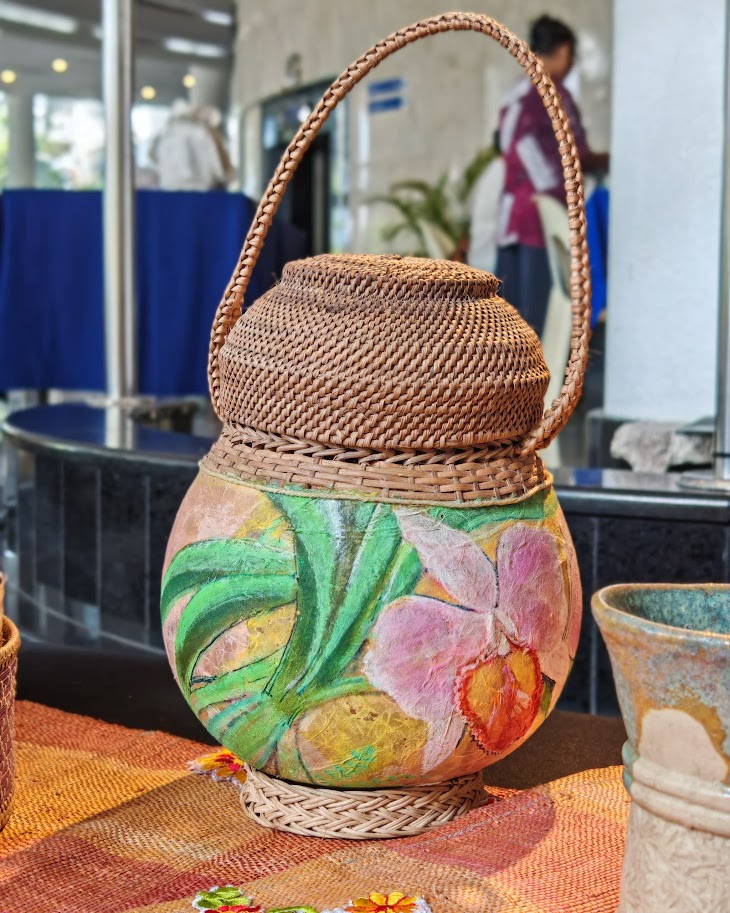
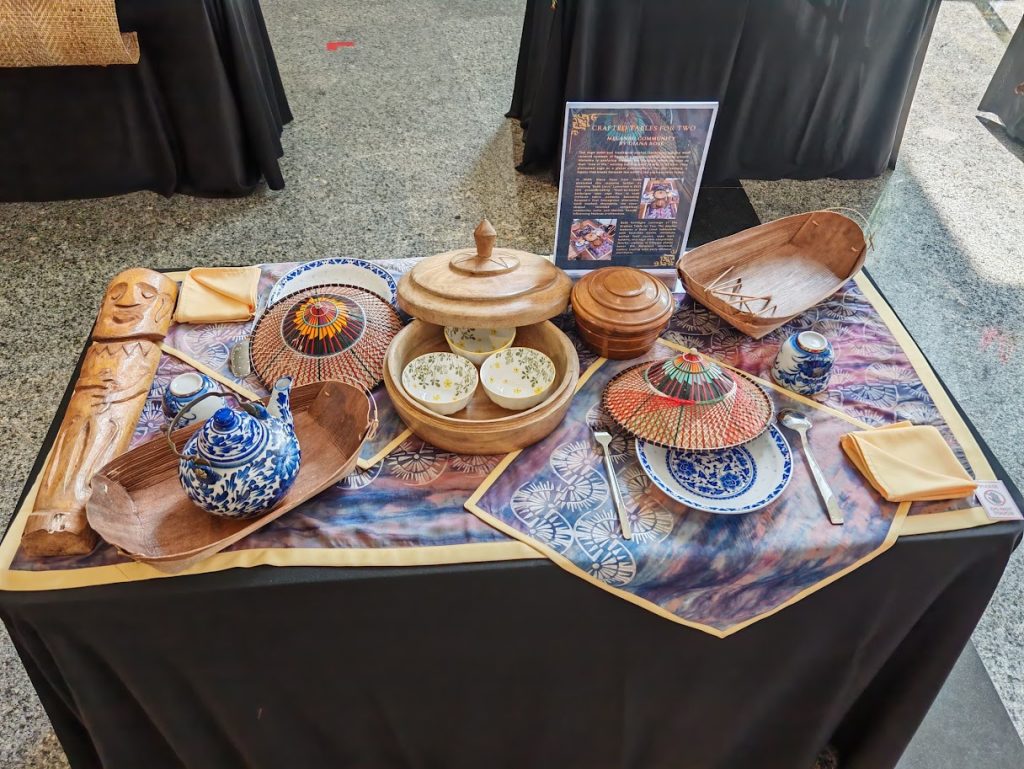
A revival of old crafts
At the Sarawak Craft Council, Ong said they are working hard to preserve as many traditional crafts as possible – from pua kumbu weaving to basketry – as these practices form an important part of Sarawak’s cultural identity. Without these crafts, he said, future generations risk losing their connection to the traditions and stories that have shaped their communities.
“We’ll eventually lose our cultural identity if we don’t preserve our local handicrafts,” he said.
However, Ong believes that while some traditional crafts face challenges, many are experiencing a revival. The Iban pua kumbu, for instance, has seen renewed interest over the past three to four decades, with younger weavers producing contemporary designs while maintaining traditional techniques such as natural dyes and yarn preparation methods.
“We want them to keep the traditional natural dye,” he said, adding that workshops and community-based programmes continue to be conducted, particularly in the Kapit area, to ensure these skills are passed down to the next generation.
The Sarawak Craft Council has also expanded its efforts statewide by organising workshops to revive various traditional crafts. Among the artisans championing this movement is master basketry artist Senia Jugi, who has brought Sarawak’s basketry heritage to international platforms through exhibitions and workshops abroad, including programmes in the United States and Europe.
Despite these successes, Ong acknowledged that some crafts, particularly traditional ceramics, remain at risk of disappearing. Locally made pottery has declined due to the loss of skilled potters and traditional techniques.
“That is one of the areas we want to focus on – reviving our local Sarawak pottery,” he said.
This is reflected in the exhibition itself, where only a small number of tableware pieces were made locally, highlighting the urgent need to nurture a new generation of ceramic artisans.
For Ong, preserving traditional crafts goes beyond appreciating their beauty; it requires active participation in keeping these traditions alive. As younger generations become more disconnected from traditional practices, these crafts can only survive through continuous learning, creativity and support for the artisans who preserve them.
Every woven thread, carved vessel and handmade piece carries the memories, values and stories of the communities behind them. When these traditions are lost, a part of Sarawak’s identity risks being lost along with them.