In the remote mountains of southwestern China, the Mosuo people have preserved a distinctive matrilineal way of life in which women traditionally hold the central role in family, inheritance and household affairs. A journey to Lugu Lake offers a glimpse into their enduring customs, including the unique tradition of “walking marriage”.
A glimpse into China’s ‘Kingdom of Women’
During my recent trip to Yunnan, China, I had the opportunity to visit a Mosuo village near Lugu Lake, often described as the “Kingdom of Women”. It is home to one of China’s last matrilineal societies.
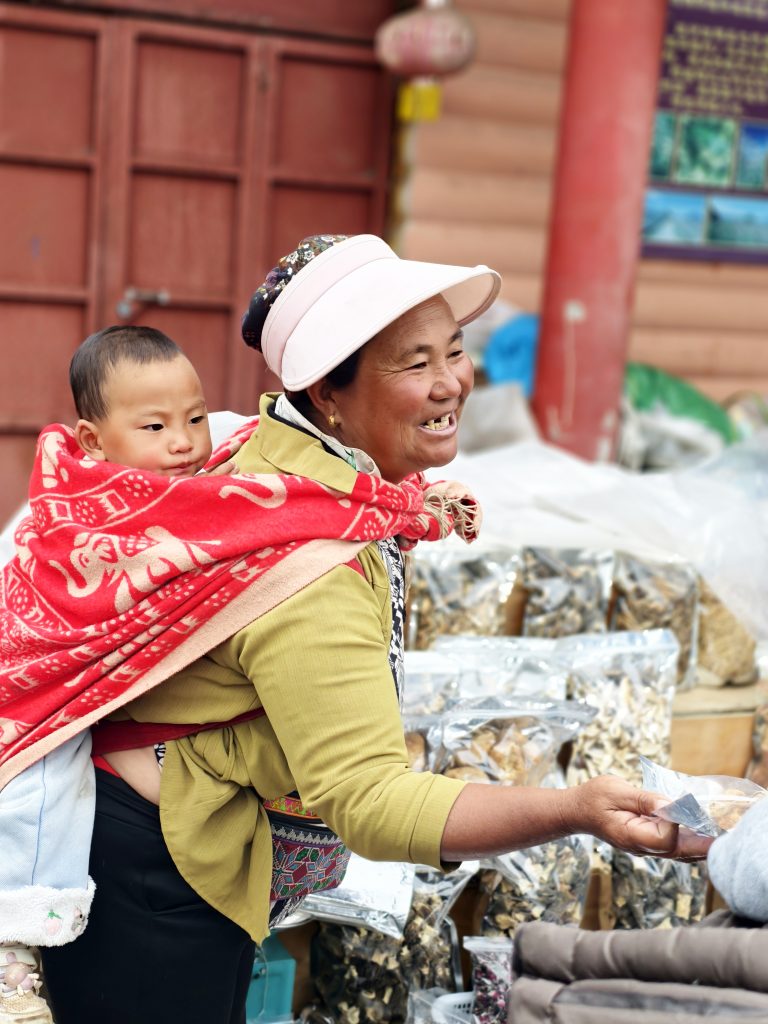
The Mosuo people live in the mountainous region of southwestern China around Lugu Lake, which straddles the border between Yunnan and Sichuan provinces. Although they are officially classified as part of the Naxi ethnic group, the Mosuo have preserved their own distinctive language, customs and social traditions.
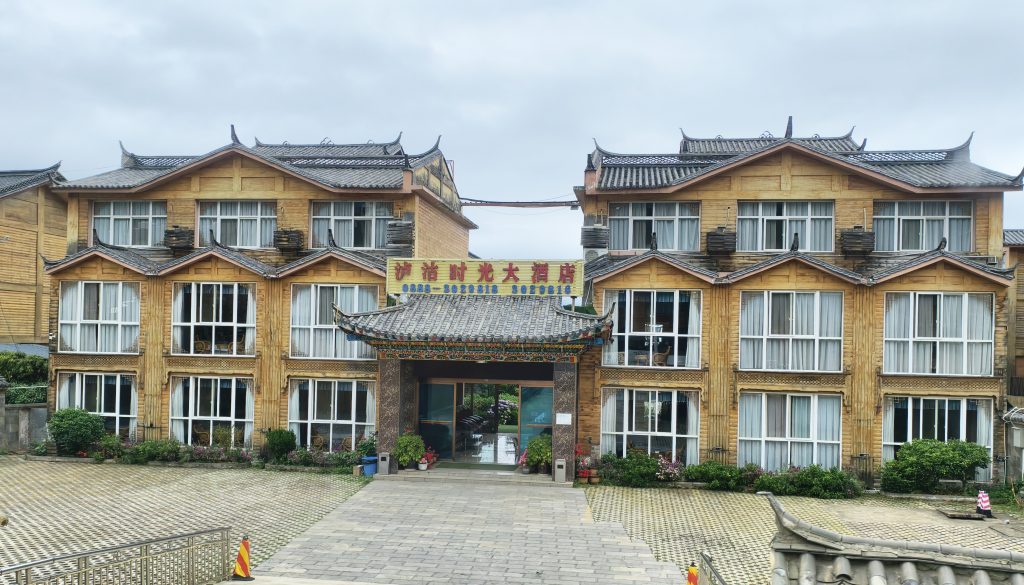
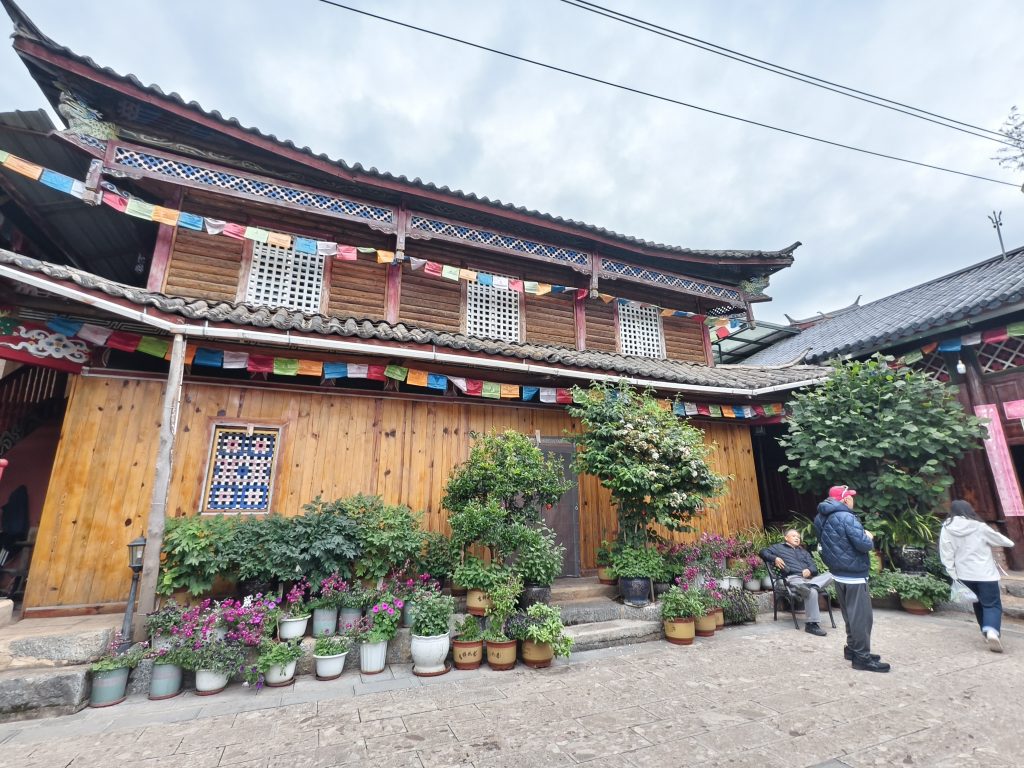
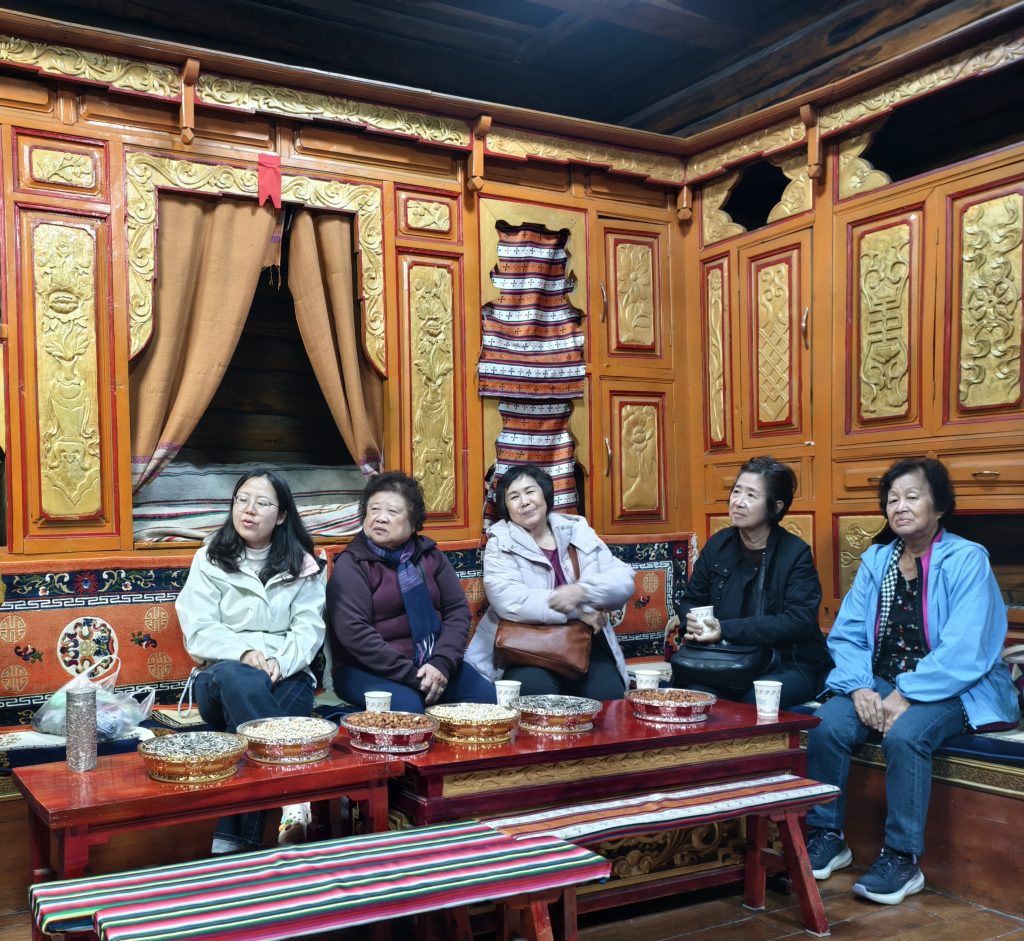
Our tour guide, Siaw Yian, took us to the Mosuo Cultural Heritage Centre beside Lugu Lake. The large traditional-style building has a main hall serving as a display area, with rooms on both sides. One room is reserved for the head of the family – the most senior woman, usually the grandmother or great-grandmother, who traditionally exercises authority over the household.
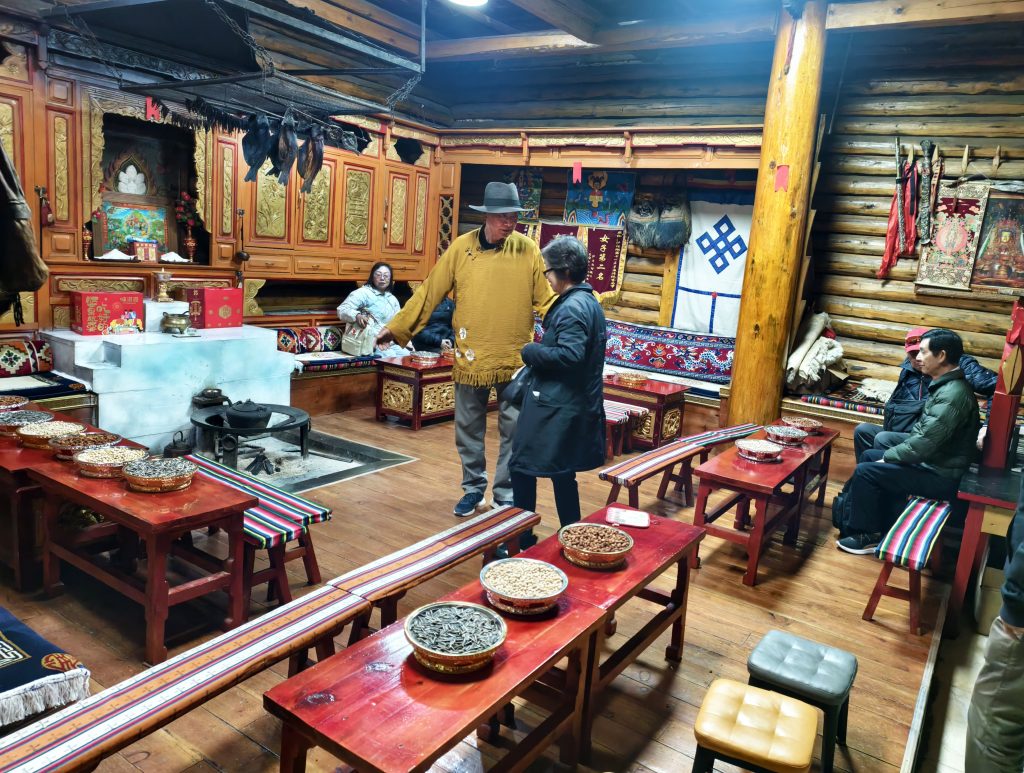
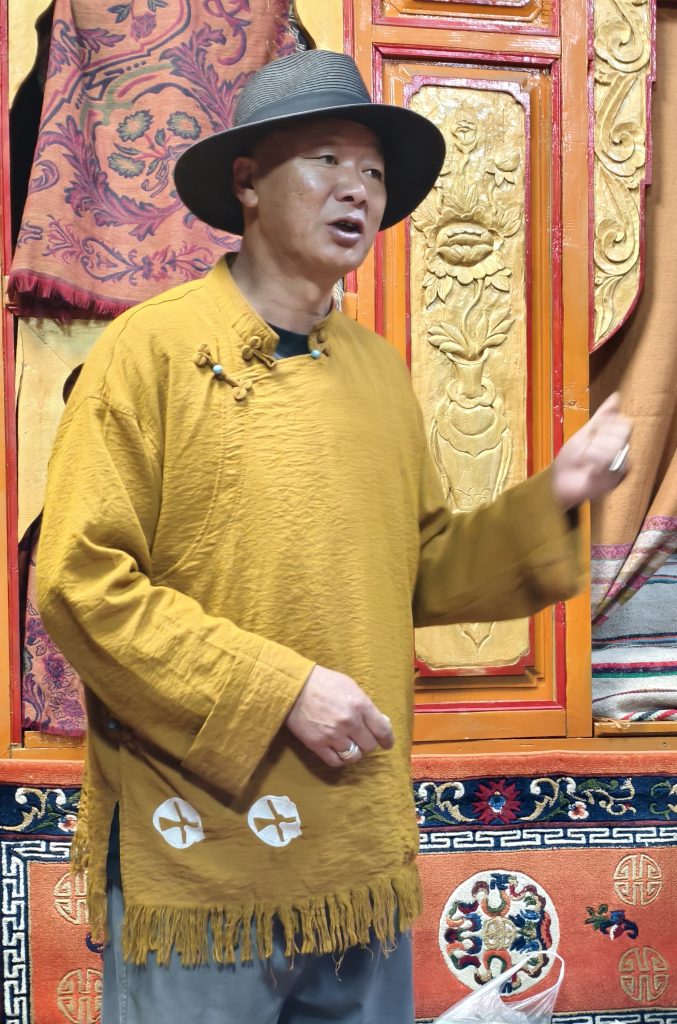
The centre’s narrator and guide, Geze Duoji, explained the customs and traditions of the Mosuo people, including their unique family structure and relationship system. He revealed that they currently have a population of about 40,000 in China.
The Mosuo are widely known for maintaining one of the world’s remaining matrilineal societies. Traditionally, the grandmother is regarded as the head of the household and holds the highest authority. Property is passed down through the female line, with daughters regarded as the family’s successors. The birth of a girl is traditionally considered a blessing. Children normally follow their mother’s family line and surname rather than their father’s.
Perhaps the most famous aspect of Mosuo culture is the traditional “walking marriage” (zouhun) system. After reaching adulthood, young men and women may enter relationships based on mutual affection and consent.
During courtship, a young man traditionally might enter a woman’s house at night by climbing through a window, provided she had agreed to his visit. He would spend the night with her and return to his own mother’s home before dawn. This practice can continue even after they become “husband and wife”. The man does not move permanently into the woman’s household, which explains the term “walking marriage”.
“We do not have a wedding ceremony or official marriage registration. However, we do have an engagement ceremony, during which gifts are exchanged as a pledge of love,” Geze explained.
The gifts may range from a simple handkerchief or scarf to silver or jade jewellery. Unlike traditional marriages in many societies, no cash dowry is required. If the relationship ends, the couple may return the gifts to each other without going through a formal divorce.
“After the engagement, the man no longer needs to climb through the window; he can enter the woman’s house through the main door,” he added.
Traditionally, children born from such relationships are raised by the mother’s family, with maternal uncles playing an important role in their upbringing. The biological father traditionally has a less prominent role.
However, modern education, urban migration and changing social expectations have influenced younger generations. Many Mosuo who study or work outside the region now choose conventional monogamous marriages, while fathers are increasingly involved in raising their children.
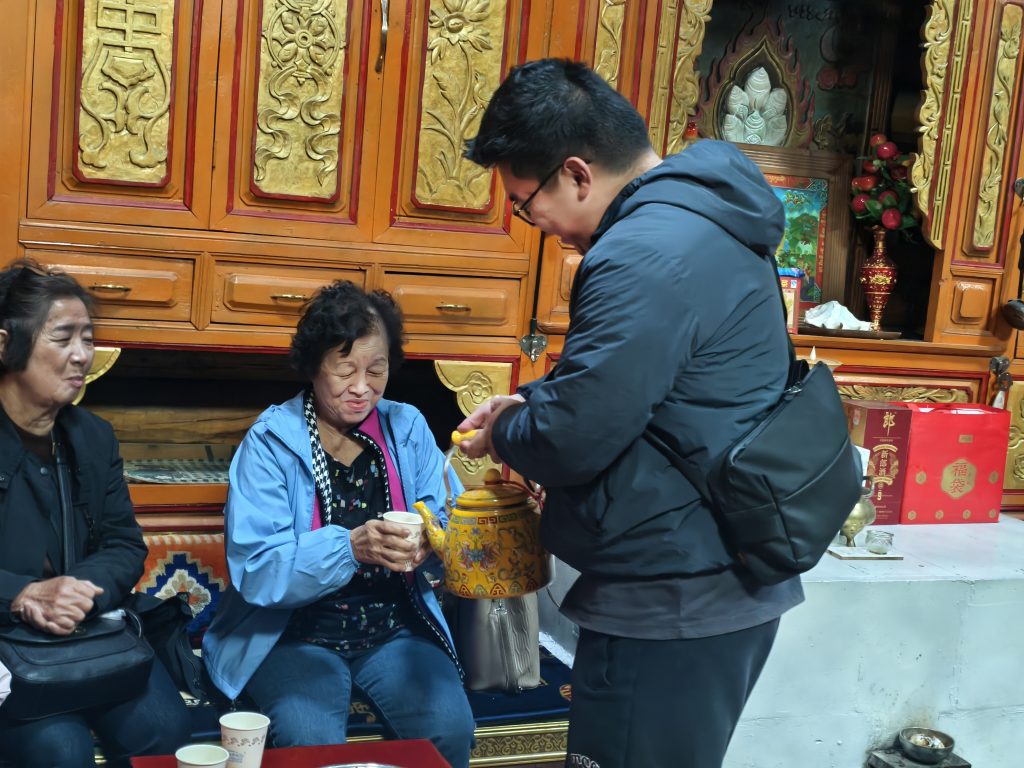
Despite these changes, many traditional customs remain. Visitors to a Mosuo home are expected to observe local etiquette, including seating arrangements according to family status. The seat of honour traditionally belongs to the grandmother, while the seating of other family members and guests may follow established customs.
Walking Marriage Bridge
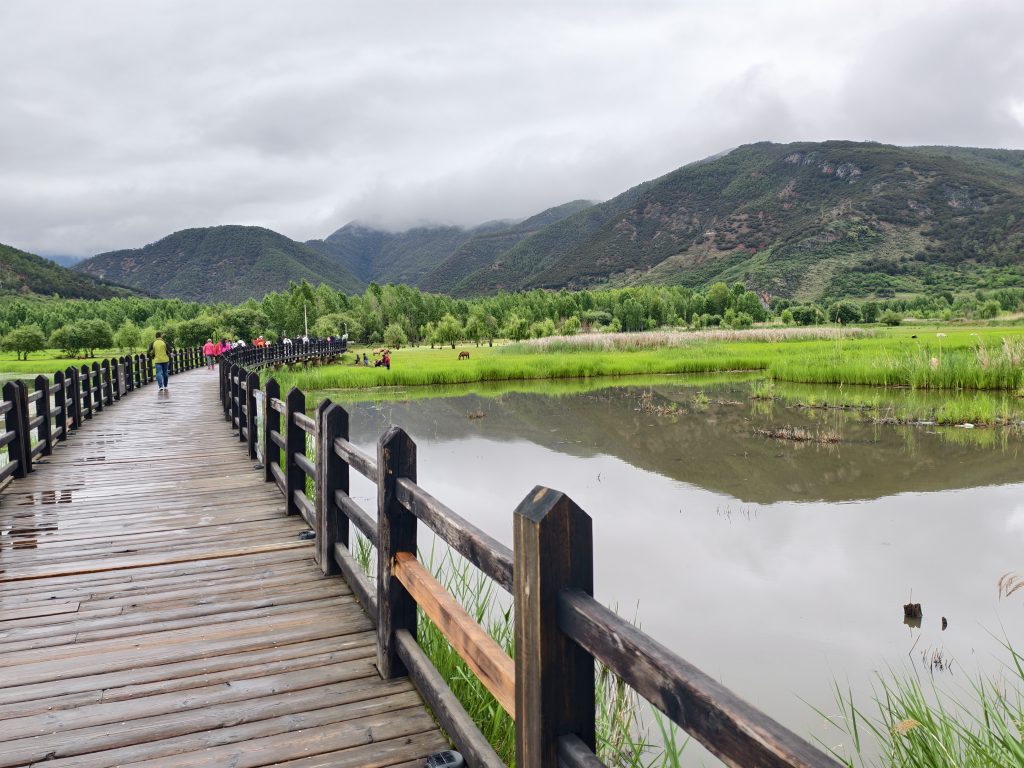
A visit to Lugu Lake would not be complete without seeing the famous Walking Marriage Bridge (Zouhun Qiao). The approximately 300-metre-long wooden bridge crosses a narrow section of the lake known as the Grass Sea (Caohai), where extensive reeds grow in the shallow water.
Traditionally, the bridge was associated with courtship. Young Mosuo men and women could meet and interact there during the day, with singing and other social activities forming part of the courtship process. For a young man who had won a woman’s affection and consent, the relationship could later develop into traditional night-time visits to her home.
Today, the Walking Marriage Bridge has become a popular tourist attraction and cultural landmark, offering visitors a scenic walk across the Grass Sea with views of Lugu Lake and the surrounding mountains.
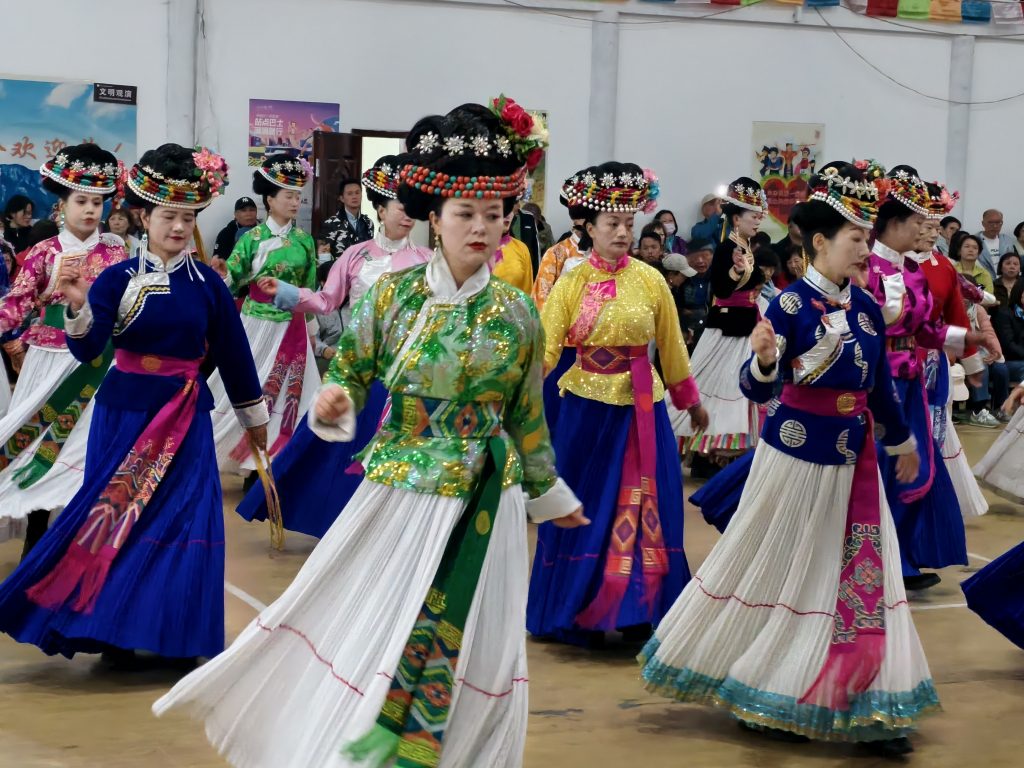
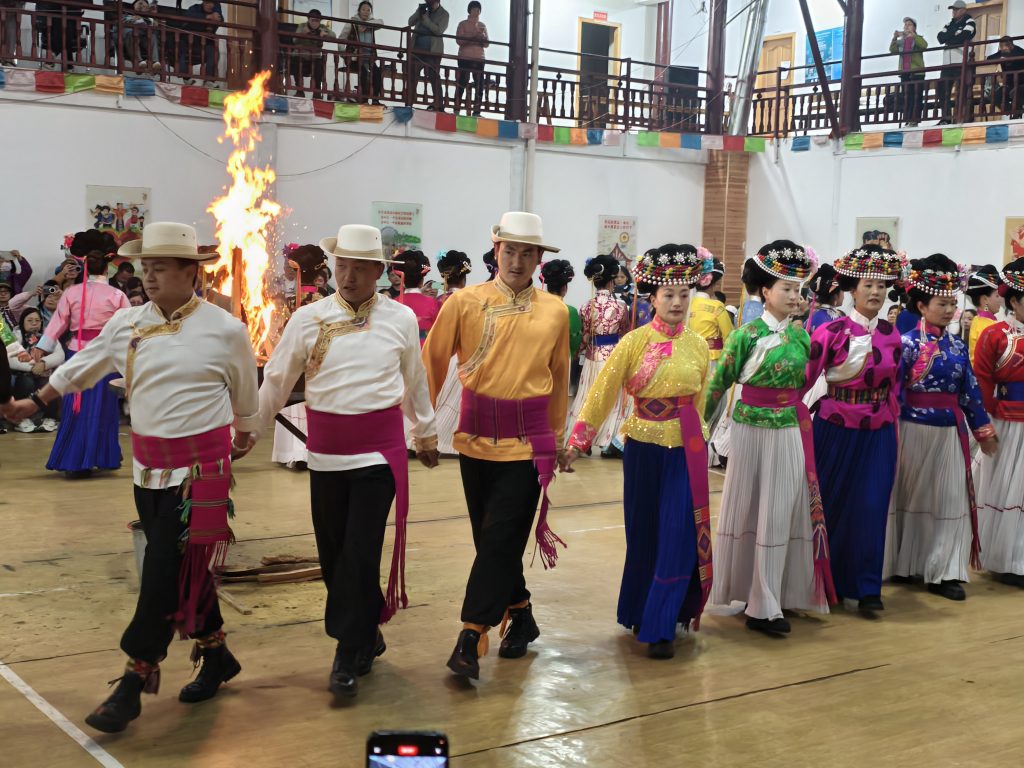
In the evening, visitors can also experience a traditional bonfire dance, where local performers present Mosuo songs and dances before inviting guests to join in.
A visit to the Mosuo community offers a fascinating glimpse into a distinctive way of life in which women traditionally hold a central role in the family. While modern influences continue to reshape the community, many Mosuo traditions remain an important part of its cultural identity.