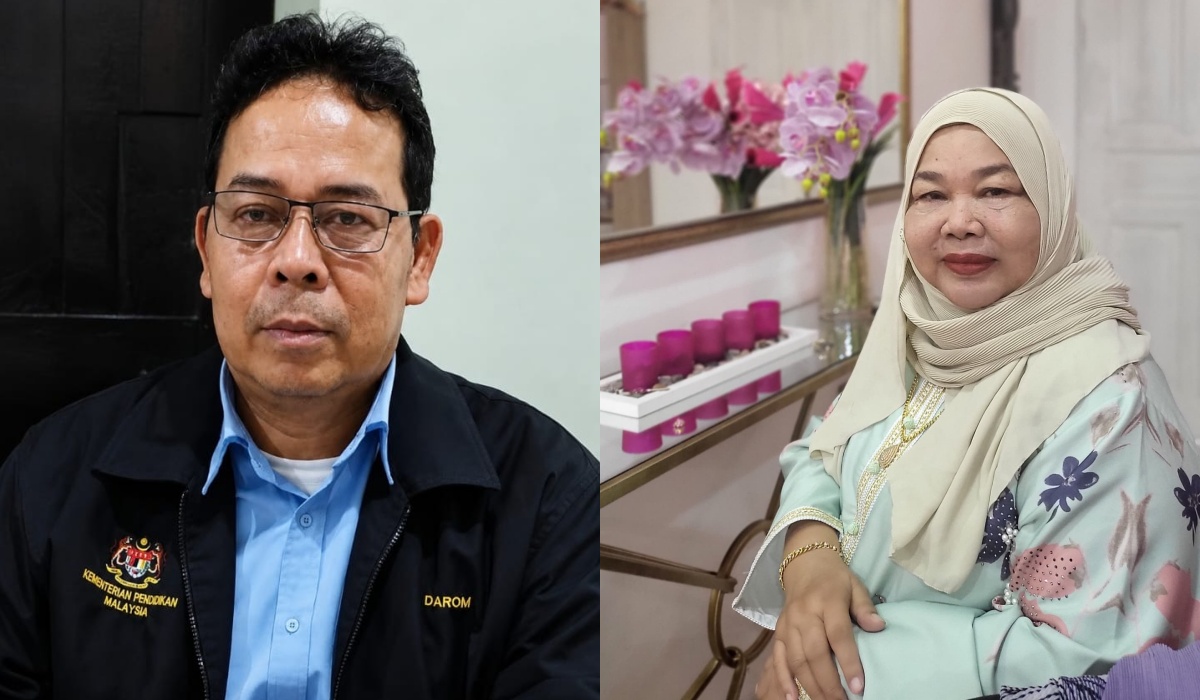
When Darom Nyamoi thinks about how much Sarawak has changed over the past six decades, his mind returns to a familiar road.
As a child growing up in Bau, travelling between his family’s kampung and Kuching was never a quick journey.
Poor road conditions meant the trip could take three or even four hours, yet it was one he always looked forward to because it meant returning to family.
Today, the same journey takes about an hour.
Born in 1963, the year Sarawak attained self-government, Darom is among a generation that has witnessed the state’s transformation first-hand.
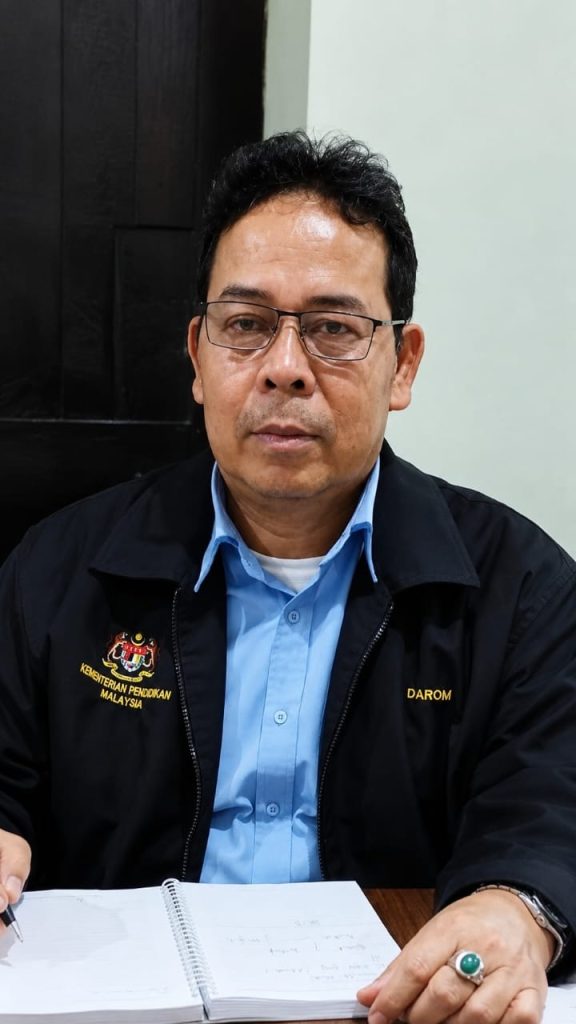
Alongside fellow Sarawakian Asma Busrah, who was also born that year, their lives have unfolded alongside a state that has steadily expanded its roads, opportunities and quality of life.
“Sarawak has changed a lot during my lifetime. Everything is more modern now, especially in terms of infrastructure and public services.
“One thing I remember most is travelling between Kuching and our kampung in Bau. Back then, the journey could take three to four hours because the roads were not as good as they are today. Nowadays, with better roads and connectivity, the same journey only takes about one hour,” he said.
Yet, roads tell only part of Darom’s story.
Growing up in a large family, he excelled academically and dreamed of becoming a teacher.
Financial realities, however, meant that the dream never materialised.
After completing Form Five, he entered the workforce instead of furthering his studies, eventually serving as a laboratory assistant at SMB and SMK St Joseph Kuching from 1985 until his retirement in 2023.
Rather than reflecting on what he missed, Darom chooses to remember the sacrifices that made his journey possible.
“We grew up in the kampung, and going to school wasn’t easy back then. I was lucky to study, get a job and move around more, including living and working in the city.
“My parents’ generation worked very hard so that our generation could have a better life,” he said.
Those experiences have shaped how he views the younger generation today.
With greater access to universities, online learning and digital technology, he believes young Sarawakians enjoy possibilities that were unimaginable when he was growing up.
“Growing up, life was much harder. Most of my siblings couldn’t continue their education because our family struggled financially and opportunities were limited.
“That’s why I always tell young people today to appreciate the opportunities they have and make the most of them,” he added.
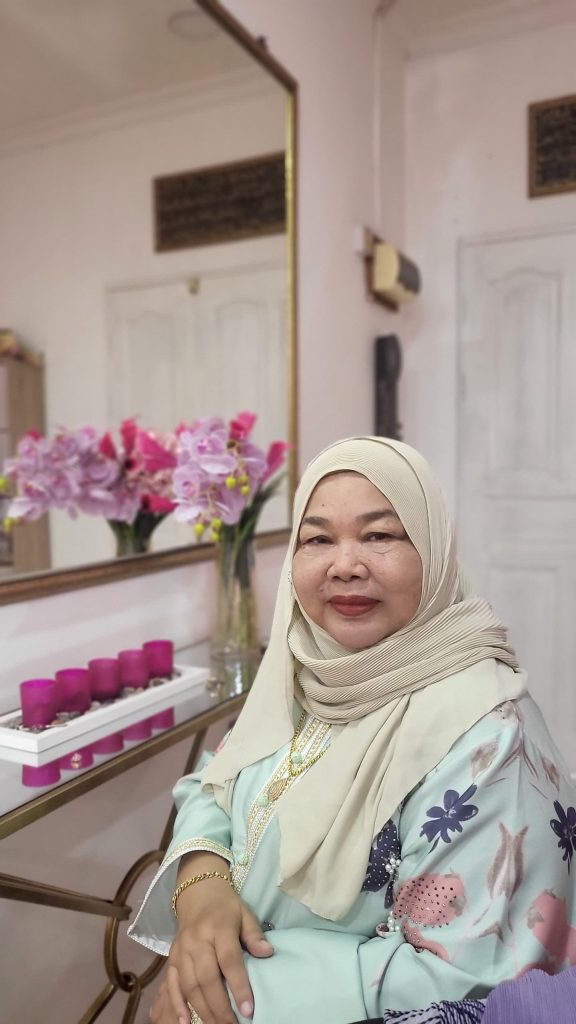
For Asma, the passage of time is measured differently.
While Darom remembers long journeys and missed educational opportunities, Asma remembers how daily life itself has become easier.
The former census enumerator has watched transportation improve, healthcare become more accessible and technology reshape everyday routines in ways her younger self could never have imagined.
“Sarawak has changed tremendously over the years. The biggest improvements I have witnessed are in development, transportation and education.
“Roads and infrastructure have improved significantly, travelling has become much easier, access to education is far better than it was when I was younger, and overall life today is much more convenient than it used to be,” she said.
Among the changes she values most are improvements in healthcare and assistance for senior citizens.
She recalled a time when families had to shoulder medical expenses themselves, often delaying treatment because of financial constraints.
Today, she believes initiatives such as free healthcare services, the Kenyalang Gold Card, financial assistance and medical aid have eased those burdens considerably.
“I feel that we are genuinely cared for, and it has greatly reduced the financial burden on many families,” she said.
Technology has also transformed the rhythm of her daily life.
Ordering meals through GrabFood, shopping online and accessing services with a smartphone have become routine conveniences she never imagined would one day become commonplace.
Like Darom, she believes today’s youth are growing up with opportunities that previous generations could scarcely imagine.
She pointed to wider access to education, expanding career choices and digital technology as advantages that have opened countless pathways for young Sarawakians willing to seize them.
Looking ahead, Asma remains optimistic as Sarawak continues investing in projects such as the Pan Borneo Highway, the Batang Lupar Bridge, the Sejingkat Bridge, AirBorneo and the upcoming Autonomous Rapid Transit (ART) system.
“I am optimistic because I can see Sarawak progressing in many ways. These developments will create even more opportunities for the people of Sarawak.
“Most importantly, I believe the Sarawak leadership genuinely cares about the welfare of the people, and that gives me confidence Sarawak is heading in the right direction,” she said.
Although they tell different stories, Darom and Asma arrive at the same conclusion.
For one, Sarawak’s progress is reflected in opportunities once beyond reach. For the other, it is found in better healthcare, improved connectivity and the everyday conveniences that have quietly transformed ordinary lives.
Born in the same year Sarawak began charting its own course, they have spent a lifetime witnessing the state’s evolution.
As another Sarawak Day is celebrated, both hope the next generation will make the most of the opportunities before them and continue shaping the future of a state they have proudly grown up with.