Technical and Vocational Education and Training (TVET) institutions will continue to play a crucial role in preparing Sarawak’s workforce for emerging industries by equipping graduates with industry-relevant skills and practical experience.
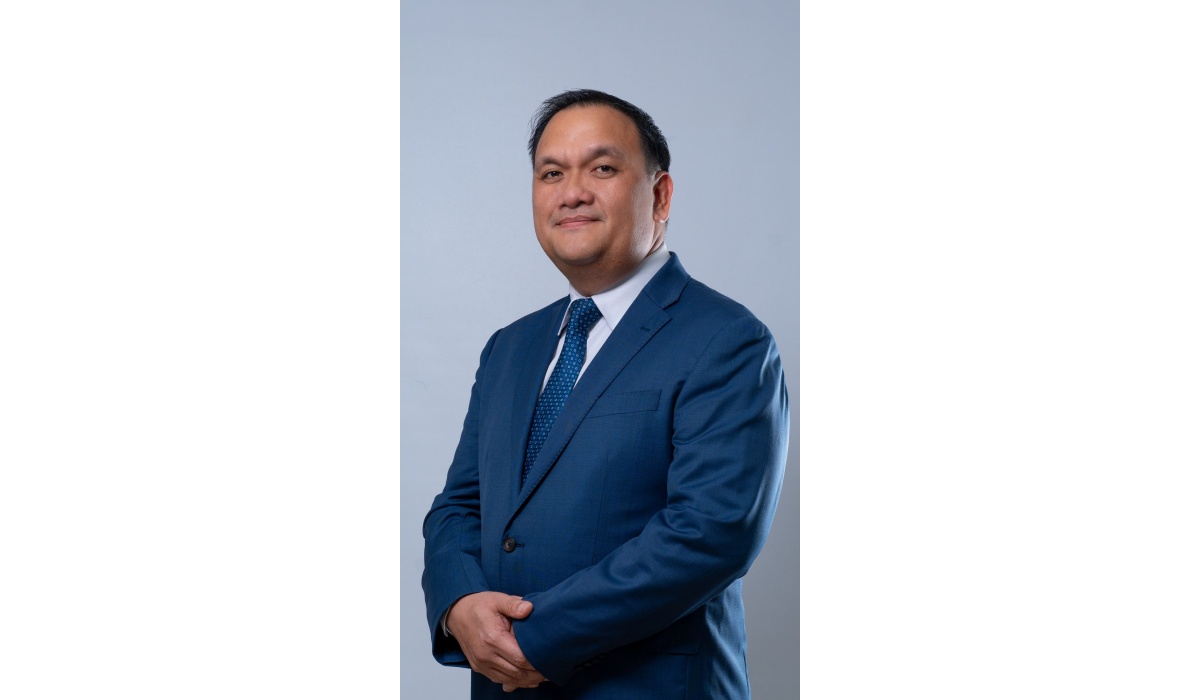
Sarawak Skills Chief Strategy Officer Mohamad Isham Fauzi said the state’s move towards a future-ready workforce was heading in the right direction, with stronger collaboration between TVET institutions and industry players ensuring graduates were better prepared to meet evolving job demands.
He said TVET institutions had placed greater emphasis on competency-based training, hands-on learning and industrial exposure to provide students with practical experience before entering the workforce.
“Over the past few years, we have seen stronger collaboration between TVET institutions and industry to ensure graduates are equipped with the skills employers are looking for.
“At TVET institutions, we focus on competency-based training, hands-on learning and industrial exposure. This gives our graduates practical experience before they enter the workforce,” he said in an interview with Sarawak Tribune.
Mohamad Isham said, however, continuous improvement was necessary as technology and industries continued to evolve rapidly, particularly with the growth of sectors such as hydrogen, renewable energy, artificial intelligence (AI) and advanced manufacturing.
“As new industries continue to grow, we must continuously review and improve our programmes so that our graduates remain relevant and future-ready,” he added.
He said the relationship between education providers and industry had also become stronger, with companies now playing a more active role in shaping training programmes.
“Today, industries are no longer just hiring our graduates — they are actively involved in shaping the training.
“They provide input during curriculum reviews, offer industrial attachments, apprenticeship opportunities and professional certifications,” he said.
According to Mohamad Isham, such collaboration ensured graduates were not only technically competent but also developed essential workplace skills, including teamwork, safety awareness, problem-solving and adaptability.
He stressed that TVET programmes must continue to evolve alongside industry requirements as employers understood best the skills needed for future jobs.
On areas for improvement, he said more work-based learning and apprenticeship opportunities should be introduced to allow students to gain real industrial experience before graduation.
He added that curriculum updates must also be carried out more quickly, especially in fast-growing fields such as hydrogen, renewable energy, automation and digital technologies.
“Technical skills may help someone secure a job, but soft skills are what help them grow in their career,” he said, highlighting the importance of communication, leadership, critical thinking and adaptability.
Mohamad Isham said stronger collaboration among the government, industry and training institutions would further strengthen TVET’s role in supporting Sarawak’s economic transformation.
Looking ahead, he said young Sarawakians would have promising career opportunities as the state continued investing in future industries, including hydrogen, renewable energy, advanced manufacturing, digital technology and future mobility.
Among the emerging career pathways are hydrogen technicians, solar photovoltaic installers, electric vehicle technicians, automation and robotics technicians, aircraft maintenance technicians, industrial Internet of Things (IoT) technicians, cybersecurity associates, data centre technicians, building information modelling (BIM) technicians, logistics executives and marine technicians.
“Beyond employment, TVET also prepares graduates to become entrepreneurs by giving them practical skills to start their own businesses or technical services.
“My advice to young Sarawakians is simple: keep learning, be willing to adapt and never stop upgrading your skills.
“Those who embrace lifelong learning will have the best opportunities in Sarawak’s future economy,” he said.