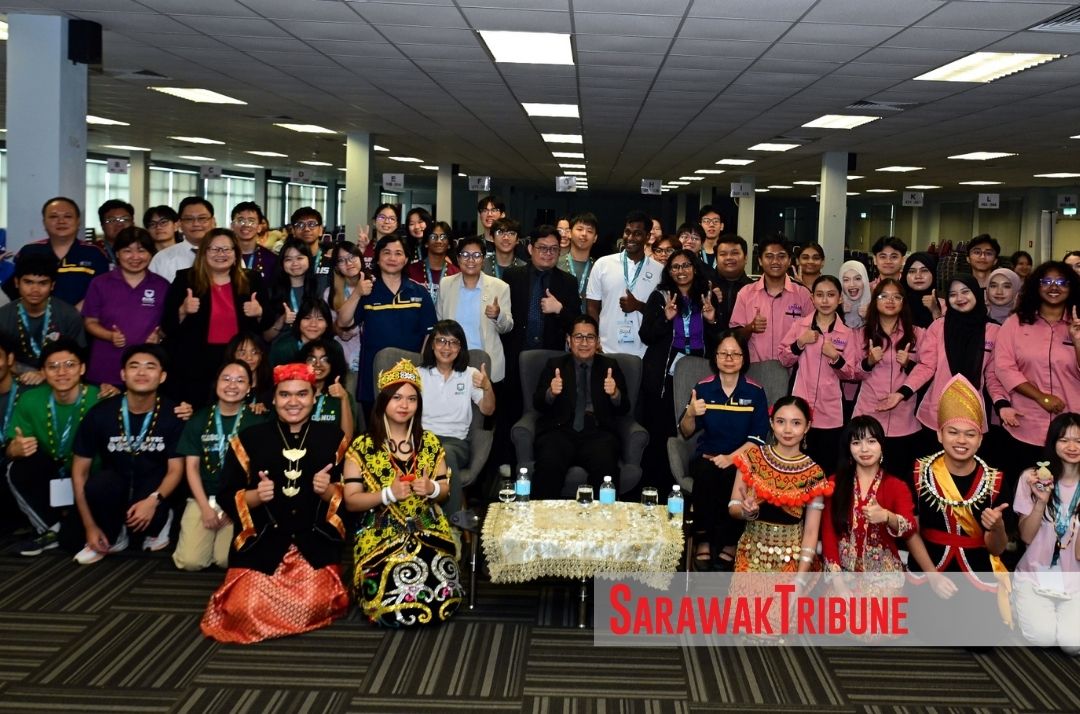
SAMARAHAN: Universiti Teknologi MARA (UiTM) Sarawak continues to strengthen its global academic presence and cross-cultural learning through the International Student Mobility Programme from May 9 to 13.
Now in its fourth year, the programme involves four staff members and 27 students from the National University of Singapore (NUS), along with 14 students from Universiti Malaysia Sarawak (UNIMAS).
Officially inaugurated by the UiTM Sarawak rector Professor Dr Firdaus Abdullah, a statement delivered on his behalf by deputy rector (research and industrial linkages) Professor Dr Juferi Idris highlighted that the student mobility programme aims to produce professionally competent and culturally empathetic graduates.
“Student mobility extends far beyond the act of travel; it is about fostering open-mindedness and a deeper appreciation for the diversity that defines our region.
“I am pleased that this year’s programme is also conducted in collaboration with Universiti Malaysia Sarawak, further enhancing its value by bringing together institutions that share common interests in education, community engagement, and sustainable development,” he stated today (May 11).
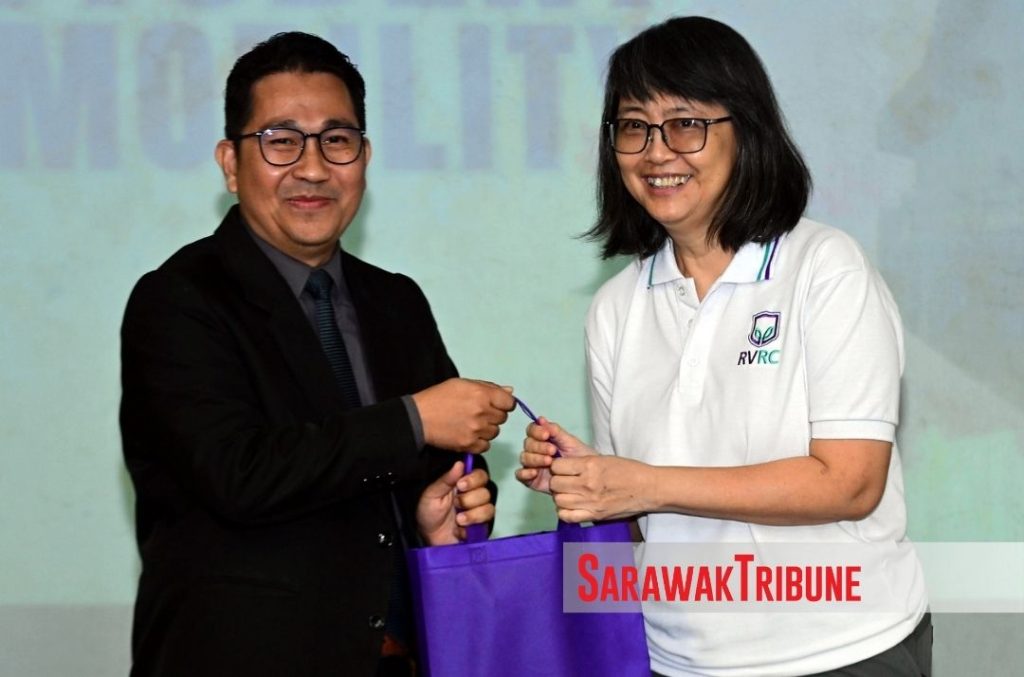
He added that the programme’s focus on culture and sustainability is timely and significant, as culture plays a vital role in sustainable development by shaping identity, values, community practices, and societal responses to economic growth, social inclusion, and environmental conservation.
“Over the past year, UiTM Sarawak has actively established collaborations with several international partners, including Zhejiang Ocean University and Guanxi Minzu Normal University in China, Universitas Gadjah Mada (UGM) and Universitas Trisakti in Indonesia, Tokyo Metropolitan University (TMU) and Osaka University in Japan, as well as Universiti Brunei Darussalam. We also brought a delegation to Dublin, Ireland for a cultural programme to promote Sarawak.”
The programme applies the United Nations Sustainable Development Goals (SDGs) by combining local heritage preservation with sustainability discussions, while providing students with opportunities for cross-cultural collaboration and problem-solving.
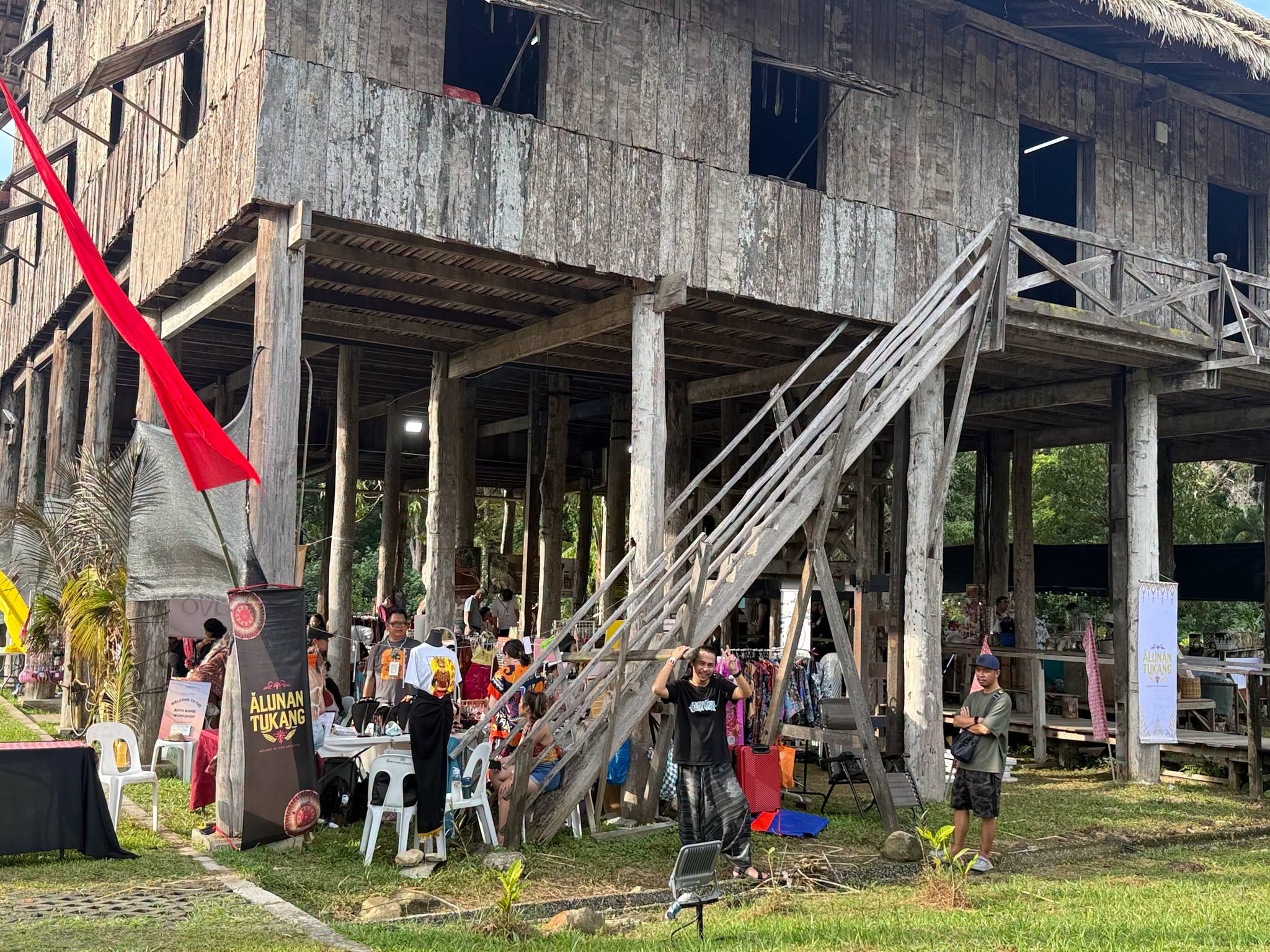
Prof Juferi also stated that in Sarawak, culture is not only preserved in museums, it is alive in languages, traditions, arts, and relationship with nature, where learning becomes transformation.
As UiTM Sarawak moves forward, it remains committed to leveraging these annual international platforms to broaden its research horizons and nurture a generation of “Global Citizens” equipped to thrive in an increasingly interconnected world.