KAPIT: The Song Acute System Water Treatment Plant has been fully completed and is now operating with an enhanced capacity of 4.0 million liters per day (MLD), significantly improving the district’s clean water supply.
Minister for Utilities and Telecommunications, Datuk Seri Julaihi Narawi said the RM14 million project benefits about 1,400 households, including eight longhouses and a school
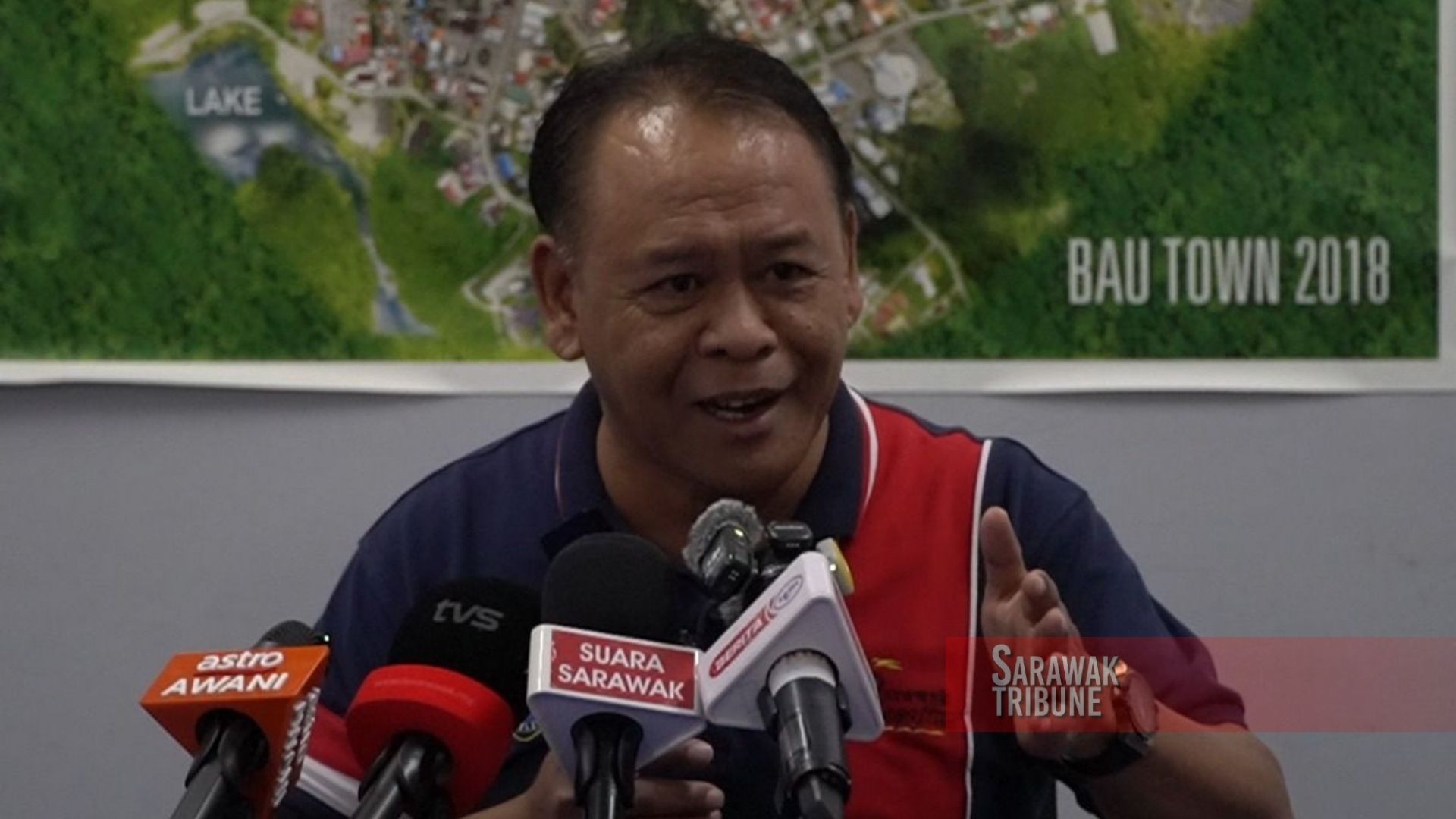
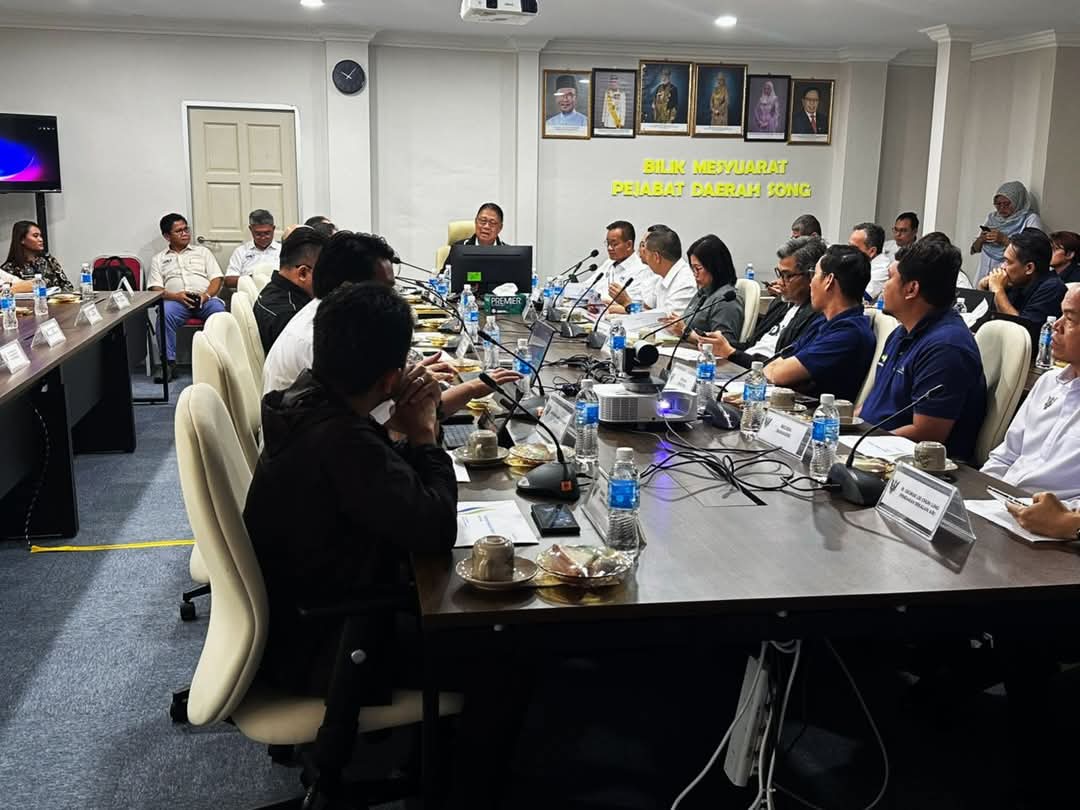
“This project ensures a stable and continuous supply of clean water to the residents,” he said during a briefing held in conjunction with his working visit here on Wednesday.
He added that the new facility would serve as a catalyst for pipeline extension and booster pump projects under the Upper Rajang Development Agency (URDA), which will expand water supply coverage to more surrounding areas once completed.
Other key water infrastructure initiatives in progress include the RM49.9 million Song–Kanowit Rural Water Supply Project (BALB), involving 50.5km of pipelines for 452 households, and the RM30 million Proposed Song Water Supply System, covering 14 kilometres of pipelines along with pump stations and water storage tanks to reinforce the distribution network.
A separate RM1.04 million project to replace pipelines from Rumah Nyantau junction to Rumah Jarop is in the tender evaluation phase and is expected to improve supply efficiency upon implementation.
Apart from physical development, he said the Sarawak Government is also focusing on digital and telecommunication development.
“As of the third quarter of 2025, mobile internet coverage in the Song District has reached 76 per cent, as a result of strategic cooperation between the Sarawak Ministry of Utilities and Telecommunications and the Malaysian Communications and Multimedia Commission (MCMC),” he added.
A total of 29 telecommunication towers are currently in operation, with 19 under the JENDELA initiative and 10 commercial towers, utilising various technologies, including fiber optics, microwave links, and satellite to overcome geographical challenges in remote areas.
He stressed that these initiatives are not merely about providing basic facilities, but are long-term investments to build a rural community that is competitive in the digital economy.