KUCHING: Kuching’s food delivery riders endure 13-hour fasts, scorching humidity, and the cruel irony of ferrying different kind of meals while their own stomachs growl.
By 4.30 pm, the streets here are gridlocked. The queue outside the Ramadan bazaars stretches half a block.
Inside the food delivery apps, order notifications are firing faster than riders can accept them. This is the golden hour or the most punishing, depending on how you look at it.
For the city’s Muslim delivery riders, the 2 hours before iftar are many things at once: the busiest stretch of their working day, the most physically brutal, and the cruellest test of patience.
They are carrying food they cannot touch, racing against a clock that ticks toward a meal they have been dreaming about since dusk.
Sarawak Tribune spoke to several riders working Kuching’s streets during Ramadan about the hidden cost of the job — the near-misses, the mental fog, the small acts of grace, and what they wish their customers knew.
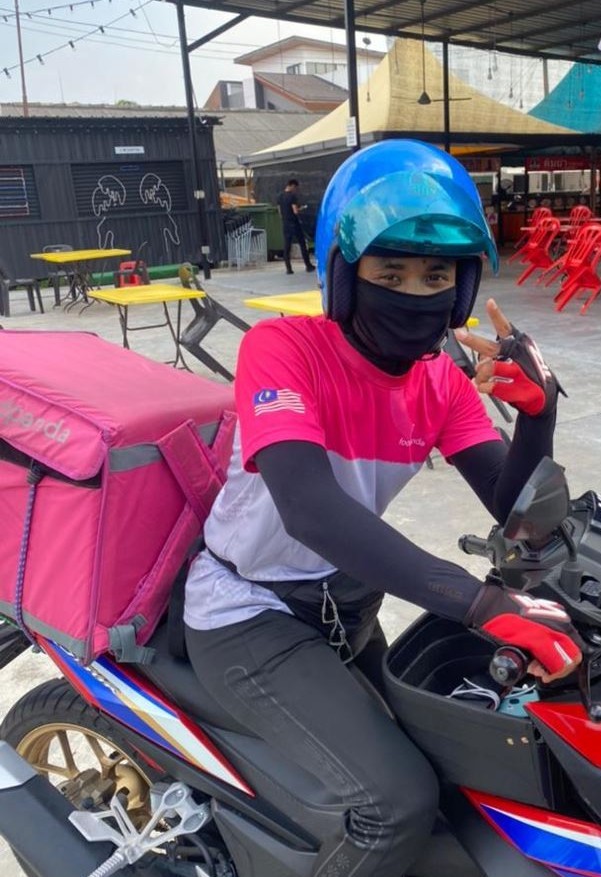
Aiman Hakimi Fadzil, 27, has been riding for Grab for three years. He describes the hour before iftar as something close to controlled chaos.
“Every restaurant is full of orders. Customers want fast delivery, but with the traffic near the bazaars, it’s impossible.
“And I’m sitting on my bike thinking: I can smell the different dishes and meals prepared at the bazaar from here. I’ve eaten nothing since 6 in the morning,” he said.
The orders don’t slow down to accommodate his hunger. Peak-hour bonuses kick in precisely during this window, so he pushes harder.
“I accept as many orders as I can. But I’m slower than usual. My hands feel heavy. My mind is also a bit slower to make decisions. I make stupid mistakes, like taking wrong turns in places I have known for years already,” he added.
Every rider spoken to has, at some point, missed iftar. Not by choice, but because an order ran long, because a restaurant was backed up, because the customer had moved locations. The azan Maghrib rings out from the nearest mosque, and they are still on their bike, still moving.
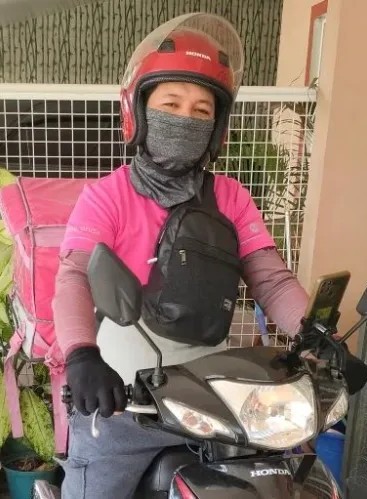
Matnor Jafri, 23, remembers one night near Jalan Datuk Ajibah Abol when he was mid-delivery as the call to prayer echoed across the village.
“I pulled over. I had one date in my bag — I always keep one, just in case. I broke fast on the side of the road, alone, with cars passing.
He pauses.
“My family was at home, waiting for me with home cooked meals. I missed it,” he said.
He has learnt not to dwell on it as there might be a light at the end of the tunnel.
“This is the job. But some nights, it’s hard. Ramadan is supposed to be time with family and doing prayers,” he added.
During Ramadan, temperatures in Kuching hover between 30 and 34 degrees Celsius, with humidity regularly above 40 percent.
For riders who spend their entire working day outdoors, fasting is not merely a spiritual undertaking — it is a physical trial.
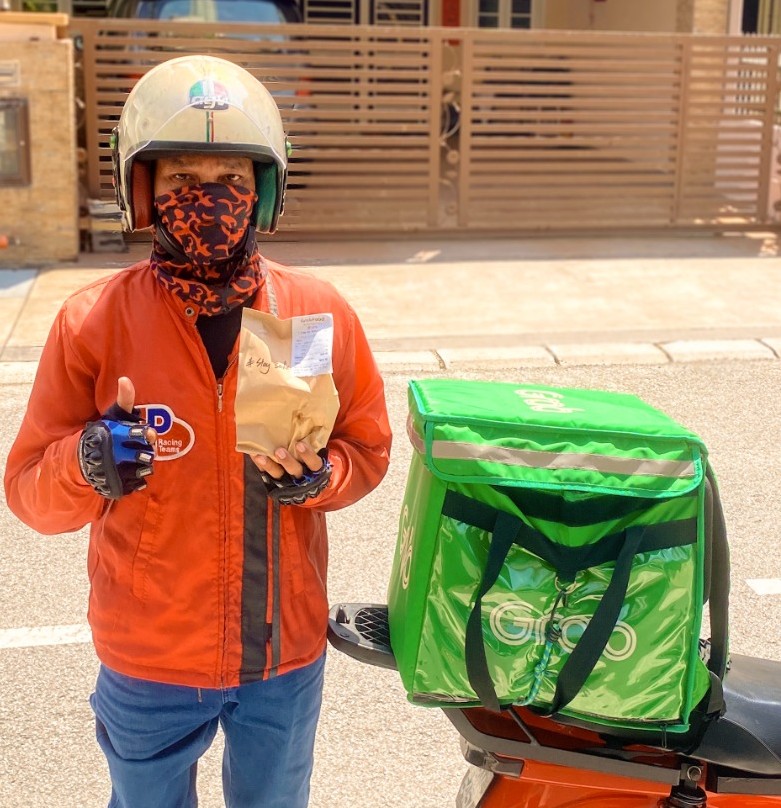
“Morning is okay. After Subuh, I still have energy from sahur,” said Zulkifli Matali, 38, who has been riding for three years.
“Midday is when it hits. Around 1 or 2 pm. The sun is directly above; the road is like an oven. No water, no food. My head feels like it’s spinning.”
The last stretch before iftar brings a second wave — a familiar paradox where the promise of food feels electric, yet the body is running on empty.
“Between 4 and 6 pm, honestly my concentration is the worst. I’ve had two small accidents during Ramadan — never in normal months. My reaction time is slower than I realise.”
He and his fellow riders have developed survival strategies: parking under shade between orders; timing sahur around slow-burning foods such as nasi lemak with protein, boiled eggs, oats; keeping the body moving to avoid the lull that turns fatigue into collapse.
“If I stop for too long, I fear that I cannot get back to work again,” he added.
When the riders were asked what they most want customers to understand, the answers are consistent and mostly, small.
They want people to know that the delay is rarely their fault. That the restaurant was already 20 minutes behind when they arrived. That navigating Kuching’s one-way streets around the bazaar zone adds time no app accounts for. That a one-star rating on a night when they are fasting and the traffic is gridlocked and the order weighed four kilograms hits differently.
They want people to know that a simple greeting at the door — ‘Selamat berbuka puasa’ — means something.
“Sometimes customer just take the bag and close the door. Sometimes they will say, ‘Thank you, selamat berbuka puasa nanti ya.’ That one, heals my heart a little remember that,” Aiman said, showing that love and compassion is worthwhile.
Most of all, they want people to know that Ramadan, for them, does not stop at the spiritual.
It extends into the hours on the road, into the balancing act of intention and necessity, into every order they carry across this city in the fading afternoon light.
“People think being a delivery rider is an easy job. You just need to ride around sending orders.
“But during Ramadan, every day is a test. And yet we still come. We still deliver,” Matnor said.