KUCHING: The year 2026 has been described as a “delivery year” for the Sarawak Government with the focus on ensuring development plans are translated into tangible outcomes for the people.
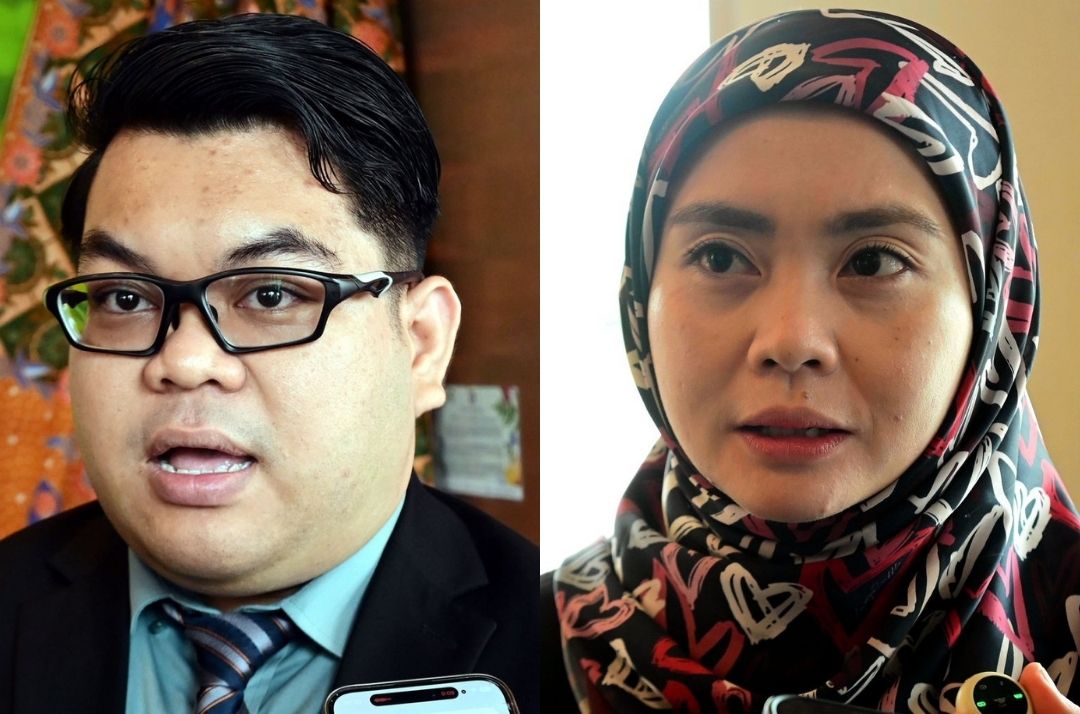
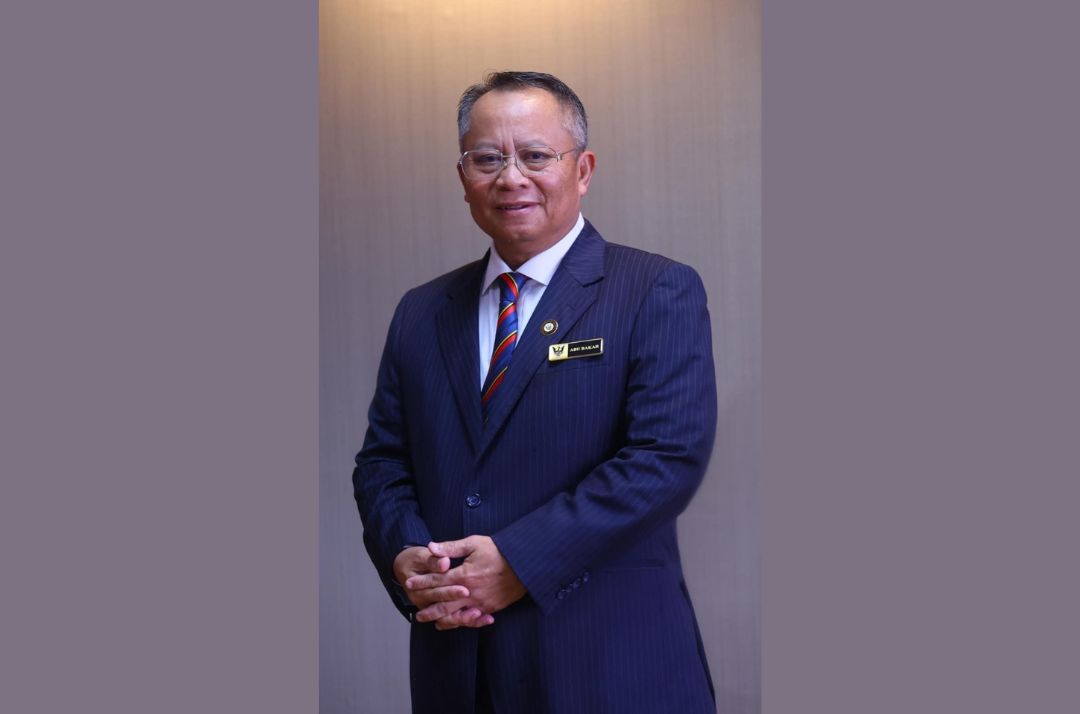
State Secretary Datuk Amar Mohamad Abu Bakar Marzuki said the year will be a crucial turning point to ensure that plans under the 13th Malaysia Plan (13MP) and the Post COVID-19 Development Strategy 2030 (PCDS 2030) are effectively implemented.
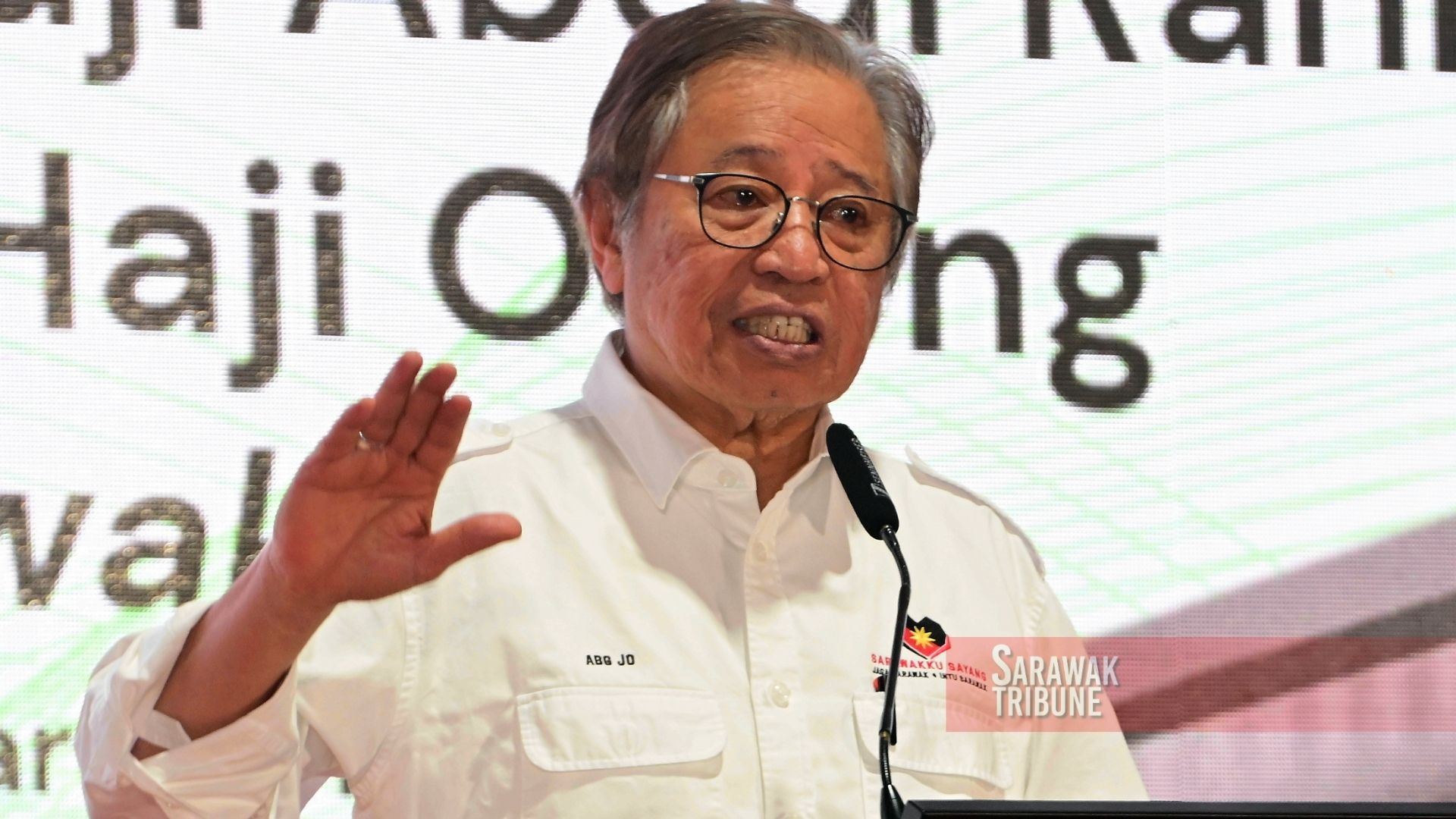
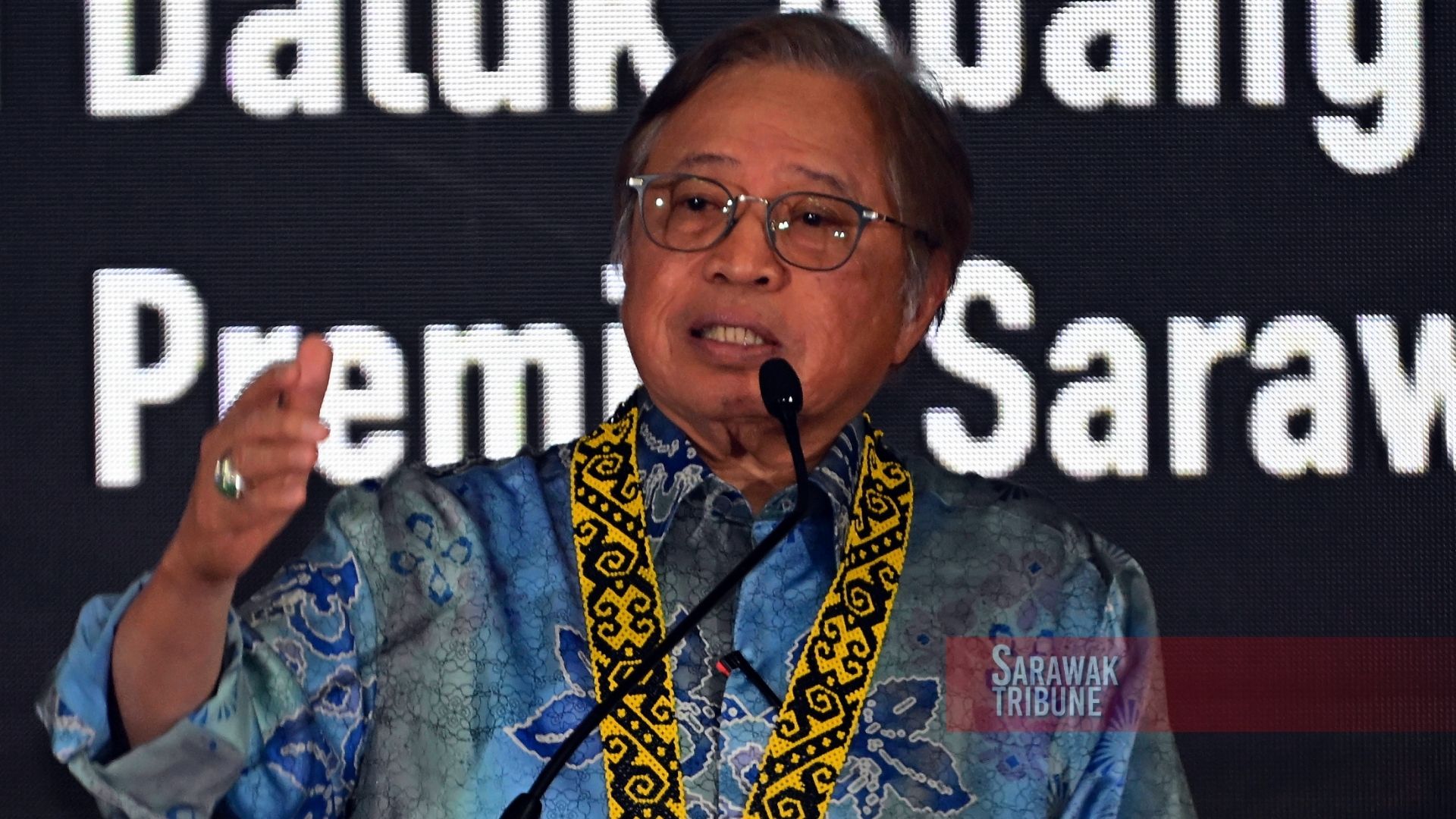
According to him, as emphasised by Premier Datuk Patinggi Tan Sri Abang Johari Tun Openg, 2026 will determine the effectiveness of the government’s service delivery.
“This year will determine whether all the plans under 13MP and PCDS 2030 can truly be translated into tangible results that are felt by the people.
“We must acknowledge that the challenges we face today are becoming increasingly complex. In addition to a heavier workload, we are also facing an uncertain global environment.
“Geopolitical tensions, changes in international trade policies and disruptions to global supply chains are putting pressure on the world economy, and Sarawak will certainly feel the impact as well, whether directly or indirectly,” he said in his Monthly Address for March.
Abu Bakar said the VUCA environment – Volatility, Uncertainty, Complexity and Ambiguity – requires members of the Sarawak Civil Service to act strategically, remain agile and stay prepared.
He added that the 3R principles – Revisit, Rethink and Recharge – should continue to guide efforts to strengthen organisational capability and improve work processes to ensure effective delivery.
“For example, in the preparation of designs for public buildings and office spaces, the approach taken can no longer rely solely on predetermined plans.
“The provision of service spaces is not merely about physical structures but is also part of the public service delivery system.
“If the facilities provided are not user-friendly and do not take into account the actual needs of the people, the quality of service delivery will not reach the expected level,” he stressed.
He said heads of departments, district officers, architects, interior designers and engineers from implementing agencies should go to the ground to better understand local needs so that designs can be more practical and effective.
Abu Bakar also urged department heads to be more proactive in managing project implementation and resolving issues that cut across agencies.
“In facing increasingly complex work challenges, the work culture within the Sarawak Civil Service must continue to be strengthened.
“This work culture must be more collaborative, more coordinated and mutually complementary. This means we can no longer work in silos, as more accurate, practical and effective solutions can only be produced through collective efforts,” he said.
He also stressed that civil servants must clearly understand the government’s direction, initiatives and priorities to ensure the development agenda can be implemented effectively.
“Communication is not merely about conveying information, but about ensuring that government policies are understood uniformly from the central level to the ground and translated into actionable steps.
“Without good coordination, data will remain merely as reports rather than becoming the basis for effective decision-making,” he added.
Abu Bakar said despite global uncertainties and rising public expectations, the Sarawak Civil Service will remain strong through the spirit of ‘SCS One Team’.