KUCHING: The federal government’s ongoing budget rationalisation exercise could deepen existing healthcare inequalities in the state if a blanket, one-size-fits-all approach is applied.
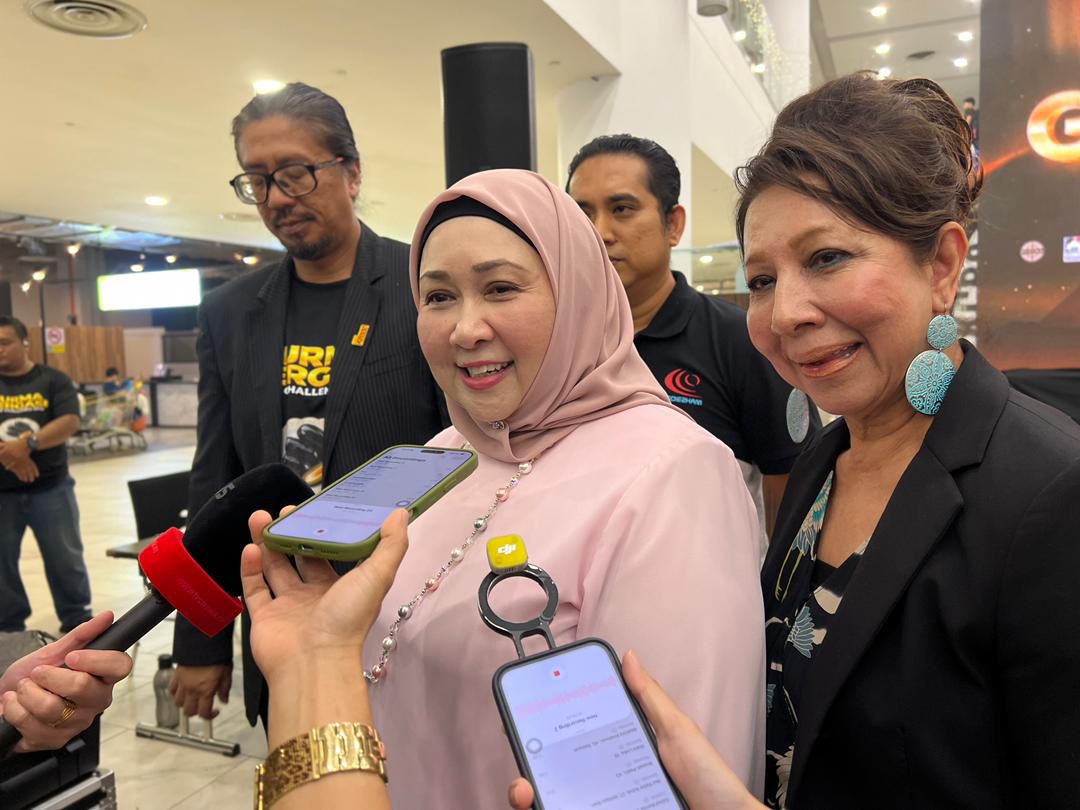
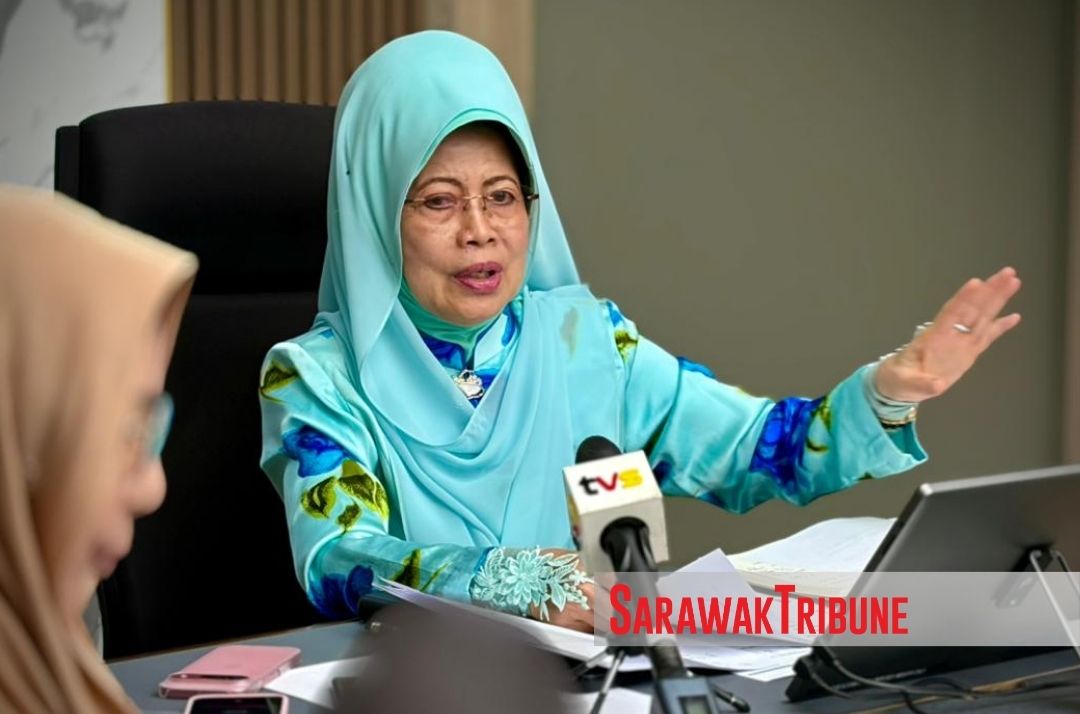
In a press statement on Monday (May 4), Political Secretary to the Premier Kho Teck Wan acknowledged Prime Minister Datuk Seri Anwar Ibrahim’s assurance that spending cuts would not affect healthcare hiring or school expansion.
However, she stressed that public concern in Sarawak remains legitimate, given that the state is already operating well below acceptable staffing benchmarks.
As a case in point, Kho cited Sarawak General Hospital — a 1,000-bed facility — which should, by staffing norms comparable to similar hospitals in Peninsular Malaysia, employ around 5,500 personnel.
It currently operates with approximately 4,500 staff, leaving a shortfall of roughly 1,000 workers. This deficit, she argued, places undue pressure on frontline healthcare workers and compromises the quality of patient care.
“Sarawak is already starting from a lower baseline. Any across-the-board cuts — regardless of how they are defined — risk widening this gap further.
“Sarawak should not be treated the same as regions that are more adequately staffed,” she said.
She also raised concerns about the federal government’s definition of “non-essential” expenditure, warning that spending deemed non-critical at the national level could still be vital in under-resourced states like Sarawak.
In response, Kho put forward three key demands to Putrajaya.
First, she called for a differentiated approach to budget rationalisation that takes regional disparities into account.
Second, she urged the government to ensure Sarawak receives sufficient operational and development allocations to close long-standing gaps in healthcare and education.
Third, she demanded greater transparency in how “non-essential” spending is categorised and communicated to the public.
Beyond immediate budget concerns, Kho also urged the Ministry of Health’s senior leadership to accelerate the process of granting Sarawak greater health autonomy — an ongoing effort that would allow the state to manage its own healthcare priorities more effectively and in line with local needs.
“Sarawak’s needs are unique, and policies must reflect that reality.
“Fiscal discipline must not come at the cost of fairness and equitable development,” she said.
The call echoes broader sentiment in Sarawak, where state leaders have long advocated for greater control over key sectors under the Malaysia Agreement 1963 (MA63) framework, including healthcare.