At just 27, Robbie Richard Balcarek is already carving out a name for himself in Sarawak’s culinary scene, not merely as a chef, but as a storyteller preserving the flavours of home.
The founder and chef of Little Fairy Cafe did not begin his journey in a kitchen school or under the bright lights of a luxury hotel. Instead, his path into food was shaped by family, culture and a leap of faith taken during one of the world’s most uncertain periods.
“I established this business in 2023 when I was 23 years old, just a year after graduating from the University of Nottingham in international relations.
Leap of faith
“But post-COVID-19, it was difficult to find jobs. I didn’t want to sit around doing nothing. I already had some basics in cooking and business from helping my parents, so I decided to take a leap of faith and open my own restaurant in Padungan,” he told Sarawak Tribune in an interview recently.
That leap eventually evolved into more than a business venture. It became a platform for him to celebrate Bidayuh heritage through food.
Born and raised in Bau, Robbie said his love for cooking stems from a deep desire to preserve the flavours he grew up with.
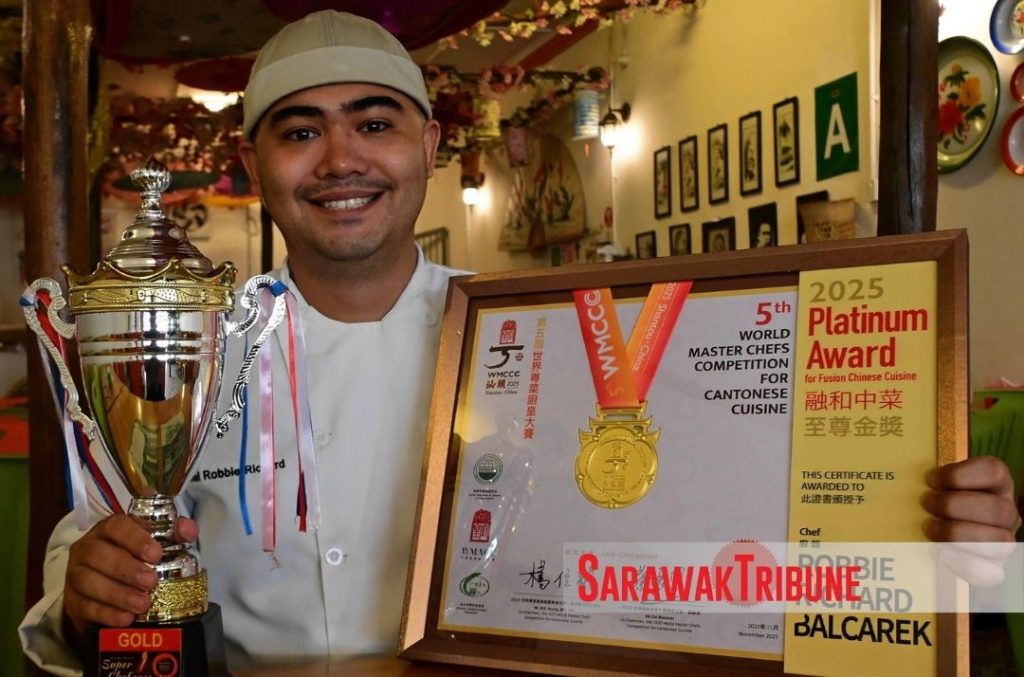
“When we talk about cooking or culinary, it’s not just about eating. Certain foods remind you of gatherings, moments with your parents in the kitchen, and memories that warm your heart,” he said.
At his cafe, Robbie experiments freely with local ingredients and traditional flavours, reimagining them in contemporary ways while still retaining their soul.
“The feedback from customers is what drives me. When people say the food reminds them of home or helps reduce homesickness, that feeling is very fulfilling.”
Nasi goreng daun ubi
Among the many dishes he has created, one remains especially close to his heart — nasi goreng daun ubi.
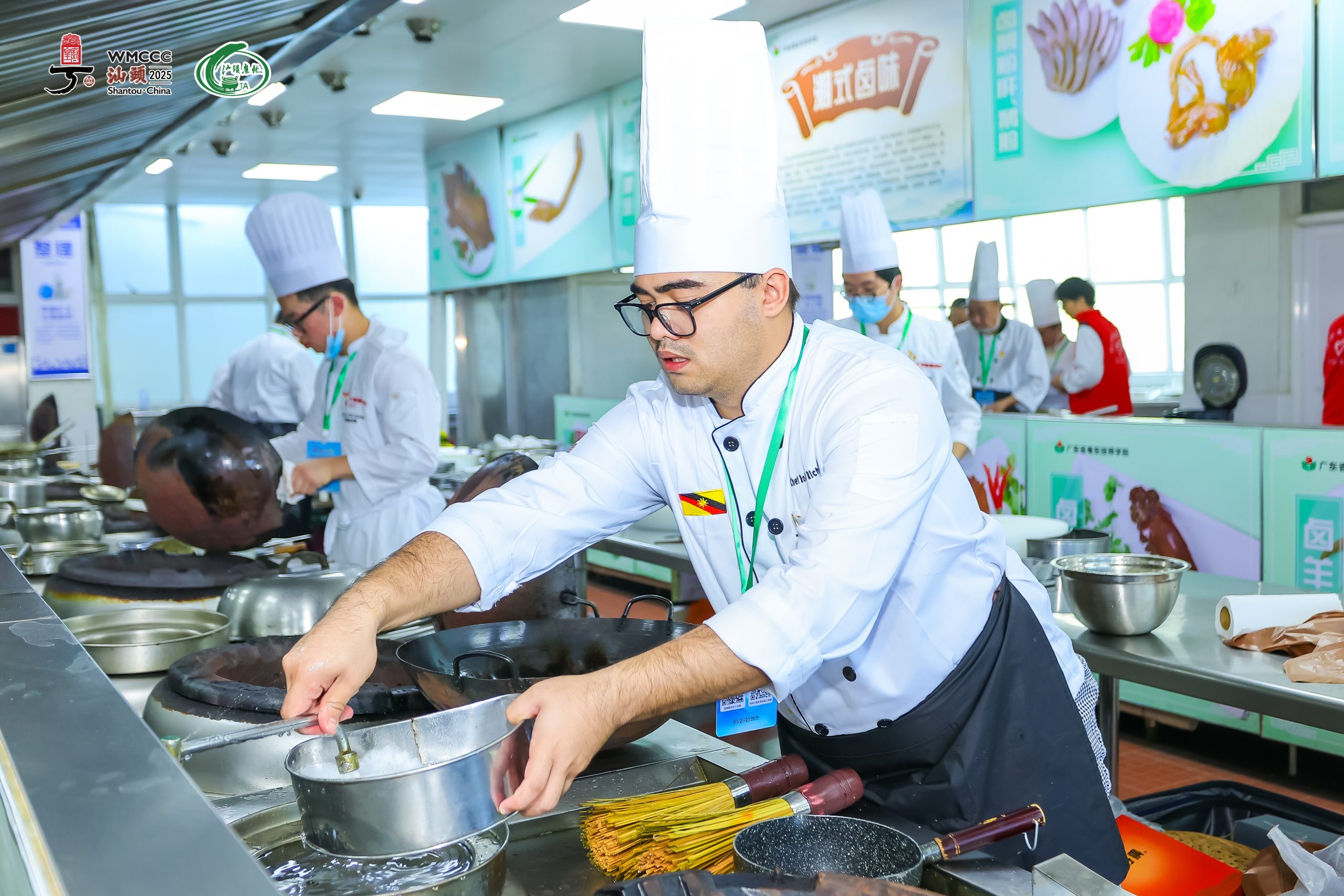
The dish, which incorporates daun ubi or cassava leaves, earned him his first gold medal during his debut appearance at the Malaysia Culinary World Cup.
“All the countries known for fried rice got diplomas, but I was the only one who got gold. I was thinking, nasi goreng daun ubi managed to topple all of them,” he recalled.
For Robbie, the humble ingredient reflects his own personal journey.
“Cassava leaves are simple ingredients, but when you pound them and transform them into something else, it changes the whole dish. Metaphorically, it reflects me as a person,” he said.
Self-taught chef
A self-taught chef, Robbie believes his struggles and experiences shaped the person he is today.
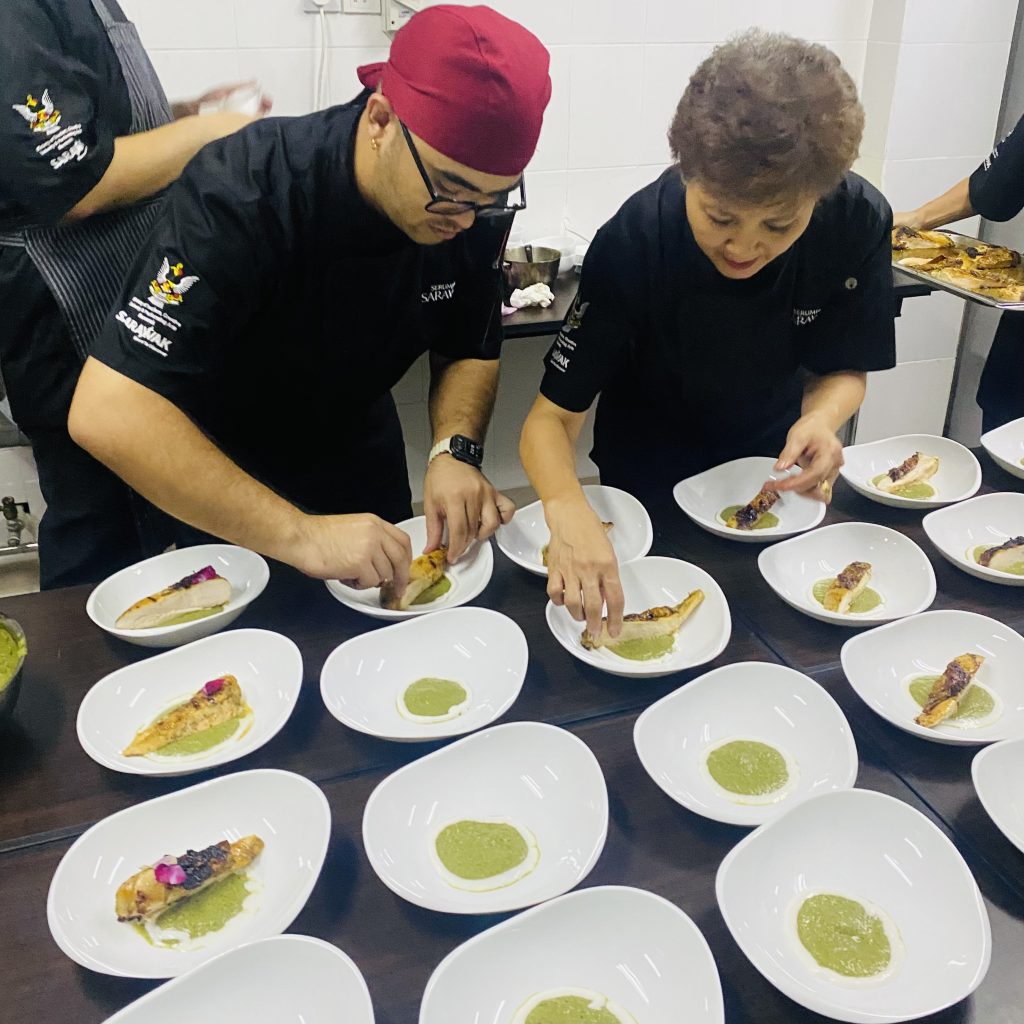
One of the modern interpretations taught to him by his mentor, Chef James Won, involved transforming humble daun ubi into a silky green cream.
The technique combines cassava leaves with belacan, dried shrimp, and coconut milk before the mixture was carefully refined multiple times into a smooth, luxurious sauce showcasing how a simple local ingredient can be elevated into something elegant and premium while still honouring its traditional roots.
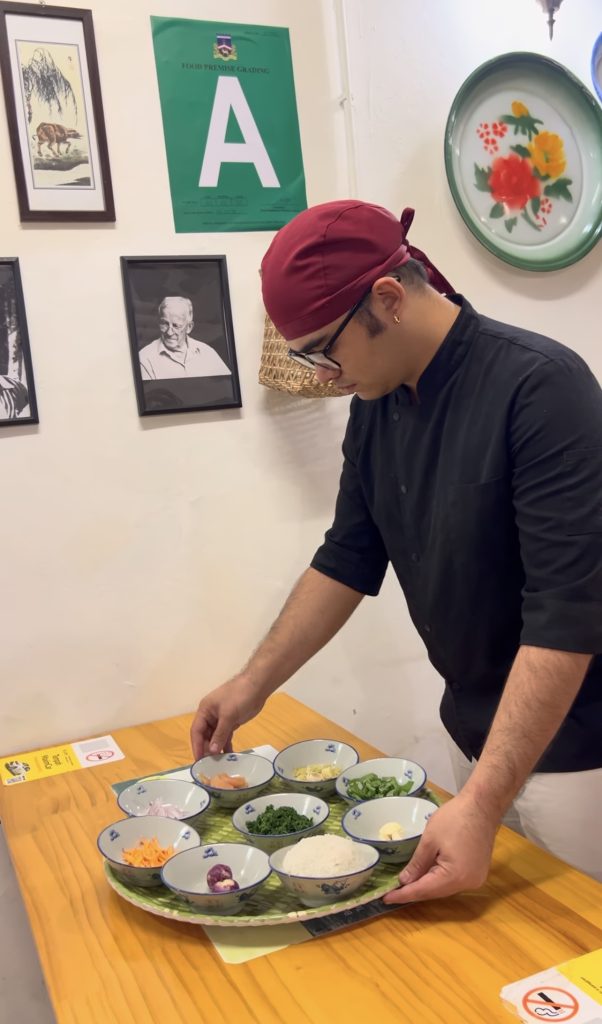
“It looks like those premium green sauces people make with spinach, but we used daun ubi instead,” he said.
Robbie is also passionate about elevating lesser-known Bornean ingredients onto the global stage.
Among his favourites is tepus, a wild ginger prized for its pungent aroma and bold flavour.
“When I used tepus sauce in one of my fine dining dishes in Vietnam, many people were surprised. They never imagined tepus could be used that way,” he said.
He also highlighted ingredients such as bambangan (wild mango) and bunga kantan (torch ginger) as deserving wider international recognition.
“These are ingredients unique to Borneo and Southeast Asia. They have huge potential globally.”
Much of Robbie’s culinary philosophy today has been shaped by his mentor, chef James Won, who selected him for the Serumpun Sarawak Mentorship Programme.
“To see the way he looks at food really shaped how I see food as well,” Robbie said.
Under Won’s guidance, Robbie began exploring fine dining using purely Bornean ingredients, incorporating gula apong, tepus, torch ginger and udang galah into sophisticated dishes.
“You don’t need Western ingredients to create beautiful dishes. Borneo ingredients can do the same.”
Despite studying international relations, Robbie does not see his career shift as abandoning his degree.
Food diplomacy
Instead, he views food as another form of diplomacy.
“There’s a term called culinary diplomacy. Whenever I showcase Sarawakian and Bornean food overseas, indirectly I’m still doing international relations,” he said.
Like many young entrepreneurs, Robbie admitted there are moments of doubt and burnout while managing a business at such a young age.
“You have to think about finances, staff, menus and constantly being creative. It can burn you out.
“But when you see the results of your struggles, all of that disappears. You feel fulfilled and energised again,” he shared.
Before opening his own cafe, Robbie honed his skills while helping at his mother’s restaurant, Fairy Tavern in Bau.
“She’s my mentor too because she taught me many of the skills I use today,” he said.
Beyond awards and recognition, Robbie hopes his work will inspire younger generations to appreciate Sarawak’s culinary heritage.
“I hope one day people will say they were inspired by Chef Robbie and that I contributed something meaningful to Sarawak’s culinary scene,” he said.
He sees Kuching’s recognition as a UNESCO Creative City of Gastronomy as a powerful source of inspiration to elevate Sarawak cuisine and further showcase it on the global stage.
“Although we are already doing it and heading towards the right direction, we can be more aggressive in promoting our local ingredients and culinary identity.”
Still very much a Gen Z chef himself, Robbie also acknowledges the challenge of attracting younger diners towards traditional native cuisine.
“Most of my customers are people in their late 20s, 30s and older because they already have nostalgia and appreciation for these flavours.
“Younger people tend to go to aesthetic cafes and premium kopitiams because everything is more Instagrammable. Sometimes the phone eats first before they do,” he explained.
Nevertheless, he sees opportunity in adapting local cuisine for younger audiences without compromising authenticity.
Earlier this year, Robbie collaborated with the Sarawak Tourism Board in a business-to-business culinary showcase across Johor, Kuala Lumpur and Langkawi, serving authentic Sarawak laksa to hospitality partners at hotels including Hilton, Marriott, Aloft and Pullman.
“In three days, I think I served more than 200 bowls of laksa,” he said.
Looking ahead, Robbie is considering competing in another culinary competition in Jeju, South Korea later this year.
And like many ambitious chefs around the world, he dreams of one day earning Michelin recognition.
“Having a Michelin star or even a Michelin Bib Gourmand is like winning a Grammy or Oscar for chefs,” he said.
“Michelin has not landed in Kuching, but If the opportunity comes, of course we’ll do our best.”
For Robbie, however, the heart of cooking remains simple – sincerity.
“If you don’t cook sincerely, it translates into the taste of your food.
“You don’t just cook and serve for the sake of serving. You cook with care,” he said.