KUCHING: Sarawak small and medium enterprises (SMEs) should begin integrating their business operations into a single digital ecosystem as Malaysia’s e-Invoicing rollout accelerates and operating costs continue to rise.
Business technology adviser, Chia K. Rou, said many SMEs still rely on multiple standalone software platforms for inventory management, accounting, payroll, customer relationship management (CRM), attendance tracking and e-commerce.
While these systems often perform their individual functions effectively, she said businesses frequently encounter growing inefficiencies as they expand.
“Initially, companies only subscribe to what they need. But over time, they accumulate multiple subscriptions, multiple logins and duplicated work.
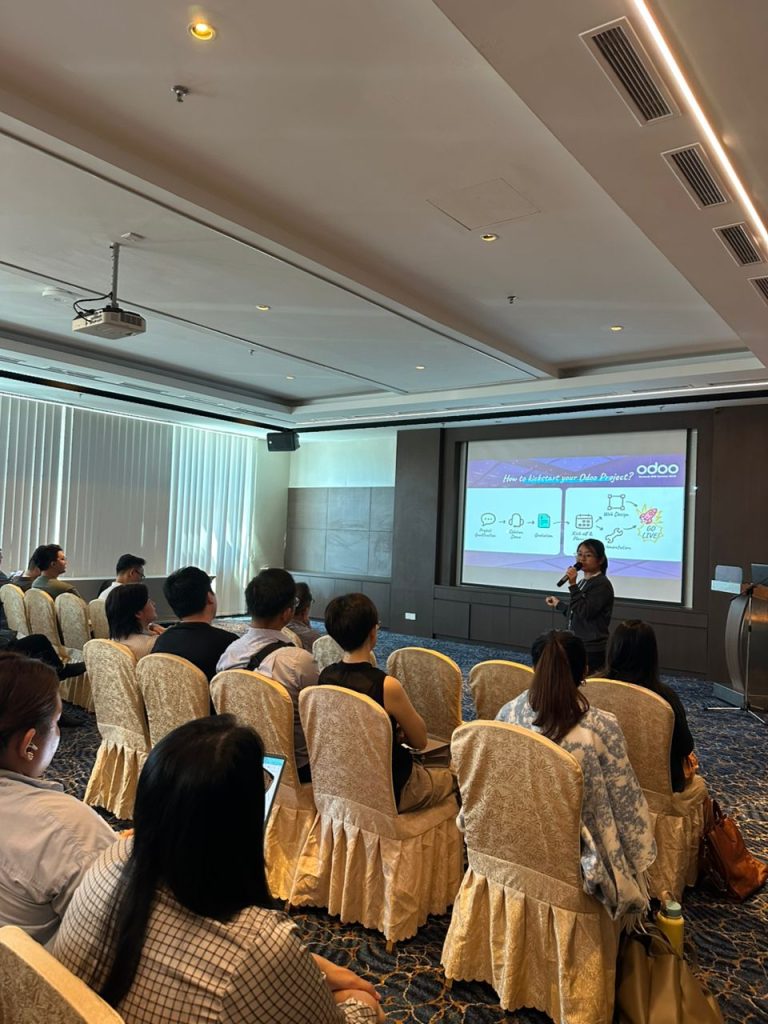
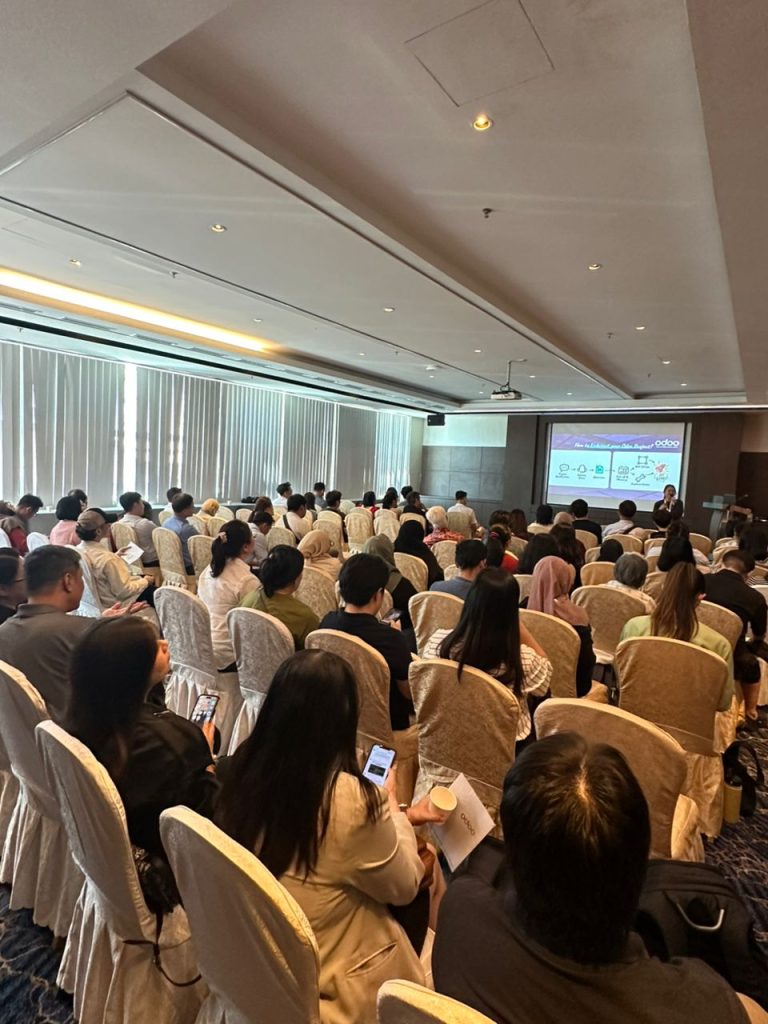
“When management requests reports, staff often spend hours gathering information from different systems instead of focusing on revenue-generating activities,” she said during Session B of the Sarawak SME Growth Seminar – The 2026 Business Leadership Briefing at Riverside Majestic Hotel Astana Wing yesterday (May 22).
Chia said integrated enterprise resource planning (ERP) systems are becoming increasingly important as businesses adapt to the Inland Revenue Board’s (LHDN) MyInvois requirements while managing larger inventories, multiple branches and growing customer databases.
ERP systems combine various business functions into a single platform, allowing information to flow seamlessly across departments and providing management with real-time operational visibility.
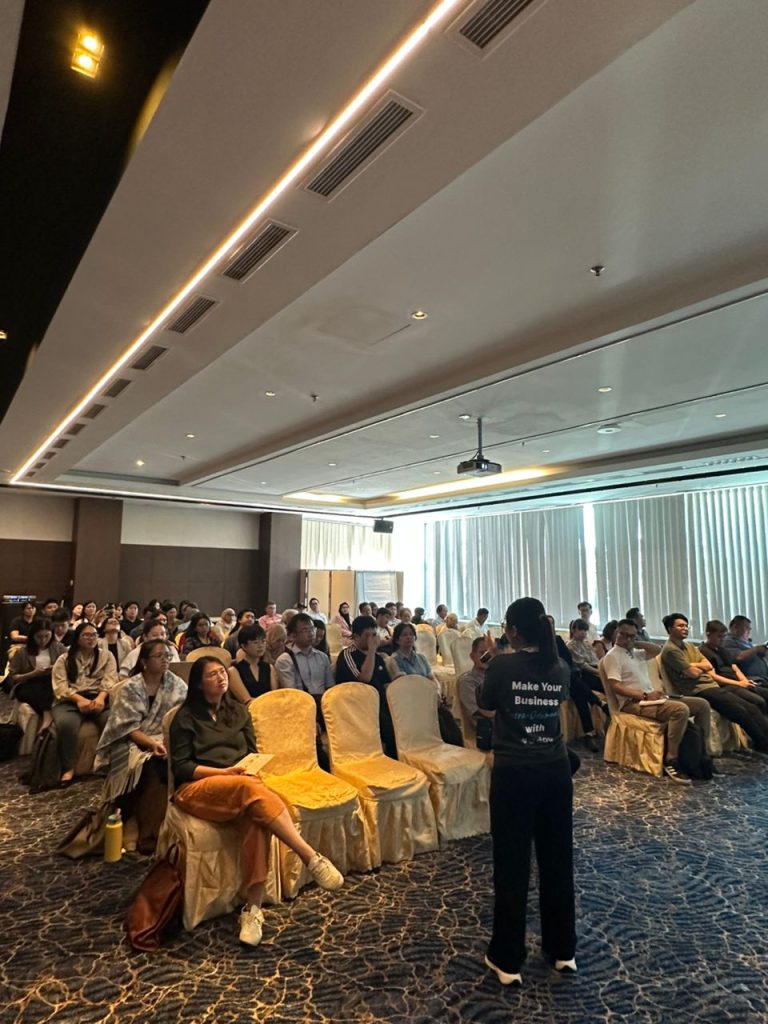
Using Odoo as an example, Chia demonstrated how modern ERP platforms can consolidate accounting, inventory, purchasing, sales, CRM, human resources and website management into one system.
According to her, Odoo currently serves approximately 16 million users worldwide and operates through a network of offices and partners in more than 120 countries.
Although the company has yet to establish a physical office in Malaysia, Chia said it is actively expanding across Asia through regional hubs in Hong Kong, Jakarta, Australia and its newest office in Manila.
One of the most common operational challenges faced by SMEs, she said, is the lack of real-time visibility across multiple business locations.
Using the example of a furniture company operating warehouses in Kuching, Sibu and Miri, Chia illustrated how businesses can lose sales opportunities when staff are unable to immediately verify stock availability across branches.
“Sometimes the customer is ready to buy, but the company cannot confirm whether inventory is available.
“By the time the information is obtained, the customer may have already gone to another supplier,” she said.
She added that integrated inventory systems enable businesses to monitor stock levels across multiple warehouses, automate internal transfers and trigger reordering requests when inventory falls below predetermined safety thresholds.
Chia also highlighted the administrative burden many companies face in complying with e-Invoicing requirements, which are being introduced in phases nationwide as part of Malaysia’s broader digitalisation agenda.
She said centralised customer records and direct integration with LHDN can significantly reduce the time required to prepare and submit invoices.
“As long as the necessary information is stored in the system, invoices can be submitted directly to LHDN without repeatedly collecting the same customer information,” she said.
Beyond regulatory compliance, integrated systems can help companies retain institutional knowledge by storing customer interactions, quotations, approvals and transaction histories in a central database.
This, she said, helps ensure business continuity even when key personnel are on leave or leave the organisation, while also reducing the risk of information being lost across departments.
Chia said ERP platforms can support a wide range of business functions, including website management, customer relationship tracking and digital document workflows, enabling businesses to manage multiple operations from a single platform.
For companies dealing with international suppliers, she added, ERP systems can automate currency conversions and purchasing workflows, reducing manual calculations, minimising errors, and improving financial accuracy.
She advised SMEs to avoid implementing too many applications at once and instead focus on addressing their most pressing operational challenges first.
“If inventory is your biggest issue, start with inventory management.
“If your priority is e-Invoicing compliance, begin with accounting. Once those issues are resolved, you can expand into other modules,” she said.
On implementation, Chia said prospective users typically undergo a qualification process to determine whether an ERP solution is suitable for their business needs, budget and timeline.
Companies are generally offered a trial period before committing to full deployment, allowing them to assess whether the system meets their operational requirements before making a long-term investment.
For organisations requiring technical assistance, dedicated consultants guide the implementation process, including system configuration, data migration, testing and user training.
She noted that implementation timelines vary depending on the complexity of a company’s operations and requirements, with projects typically taking between three and six months to complete.
Chia said ERP adoption should be viewed as a long-term investment in operational efficiency rather than merely a software purchase.
She explained that costs generally comprise software licensing and implementation services, with requirements varying according to the size of the business and the number of functions being integrated.
As more Sarawak businesses expand beyond single-location operations and embrace digital transformation, Chia said integrated digital platforms will play a critical role in improving efficiency, strengthening regulatory compliance and supporting sustainable growth.
“Technology is not just about automation. It is about giving business owners visibility and control so they can make decisions faster and focus on growing the business,” she said.