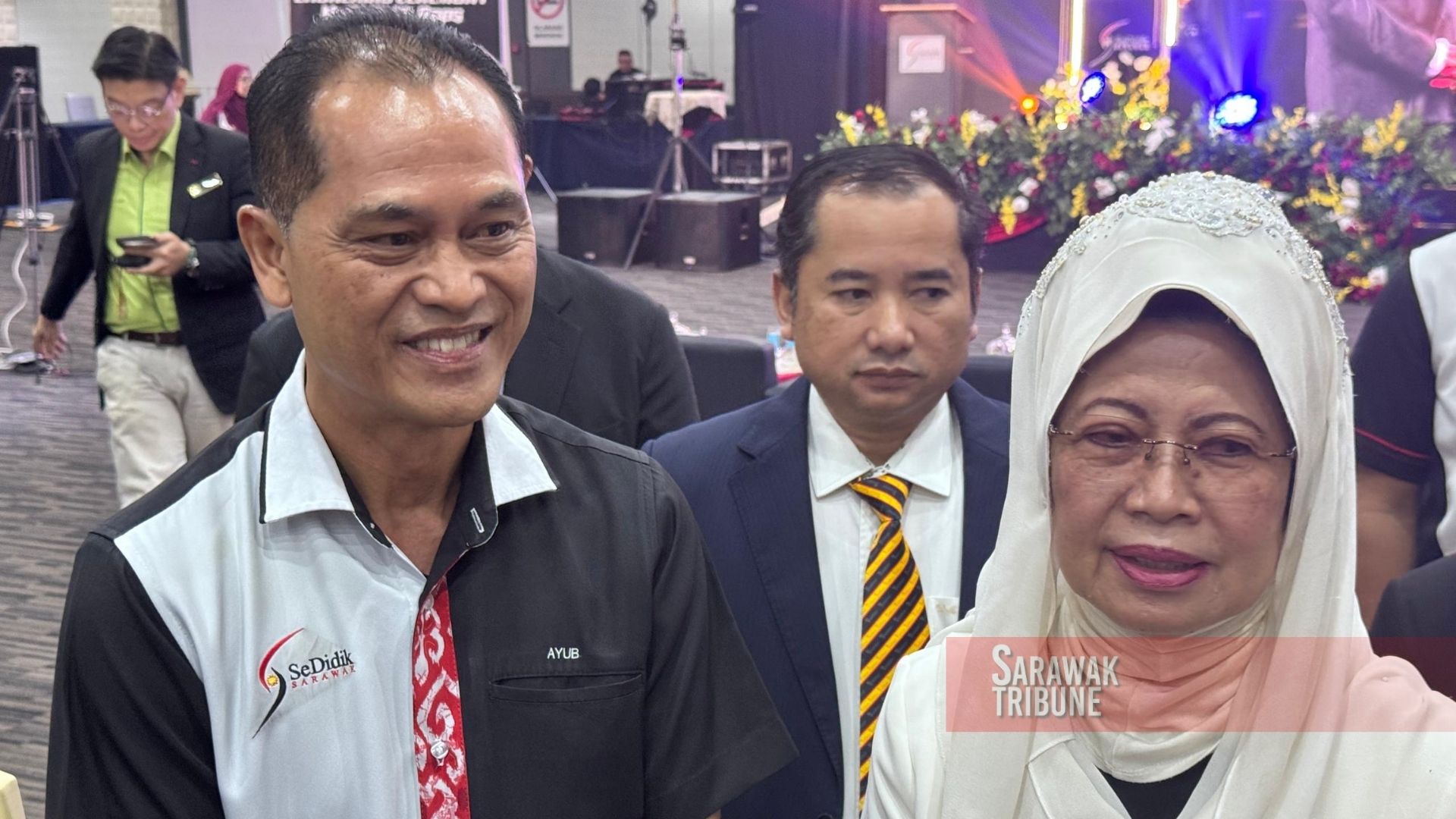
KUCHING: SeDidik’s Open Door Policy champions equity in education, with 205 special needs children enrolled in 61 of its 107 centres as of June 2026.
Women, Early Childhood and Community Wellbeing Development Minister Datuk Seri Fatimah Abdullah said the Open Door Policy reflects SeDidik’s commitment to ensuring that every child deserve equal access to early childhood education.
She said the impact is especially significant in rural areas, where access to early childhood education for children with special needs has historically been limited due to a lack of trained educators and adequate facilities.
“How does a mother feel when kindergartens refuse to accept their child, not because of anything else, but because the teachers were not trained?
“If we don’t receive these students, who else will, especially in the rural areas?” she said to reporters after the launch of MySedidik Apps at Penview Convention Centre here yesterday (July 6).
Fatimah acknowledged that many early childhood centres hesitate to accept children with special needs due to insufficient training among educators.
“That is why we train our teachers. We give them the skills and support they need because they cannot be expected to handle special needs children without preparation.
“So this is the kind of support system that we have,” she said.
She stresses that parents are encouraged to obtain formal diagnosis from paediatricians or hospitals, including through One-Stop Early Intervention Centre (OSEIC), to support proper intervention planning.
However, to support early intervention, SeDidik has partnered with Toy8 to conduct digital developmental screening, allowing early assessment and identification of intervention needs while children await specialist services at OSEIC, where waiting lists can be long.
“The screening is done in a child-friendly way together with teachers, rather than in a clinical hospital setting, allowing early identification of the type of intervention needed,” she added.
She also said SeDidik practises a fully inclusive classroom model, where children with special needs learn alongside their peers instead of being placed in separate classes.
She said research shows that integration improves learning outcomes for all children while also fostering empathy and social awareness among non-special needs pupils.
To support implementation, she said assistant teachers are deployed to ensure both general instruction and individual learning needs are properly addressed in the classroom.
Meanwhile, SeDidik Sarawak general manager Ayub Dahari said there is no strict quota for children with special needs, although classroom balance is maintained.
“A typical class of around 25 pupils usually includes about five children with special needs, with numbers rarely exceeding six or seven, ensuring an inclusive yet manageable learning environment,” he said.