“To defend Sarawak’s rights, the younger generation must be well-versed in MA63. Otherwise, how can you fight for it?”
– Premier Datuk Patinggi Tan Sri Abang Johari Tun Openg
THIS year’s Sarawak Day was unlike any I had covered before.
While thousands gathered in Sibu to celebrate the state’s 63rd anniversary of self-government, I found myself following the day’s events from my living room in Kuching, with the UKAS live broadcast playing on the television as I worked through speeches, transcripts and story drafts on my laptop.
Every now and then, my husband would pause to watch parts of the programme out of curiosity, while my one-year-old son, happily occupied in his play area, occasionally wandered over to the baby gate for a quick look at the television before returning to his toys.
It was a simple scene that probably unfolded in many homes across Sarawak that day, where families, whether intentionally or not, found themselves sharing in the celebration from afar.
As journalists, we are accustomed to experiencing major events from the heart of the action.
We become familiar with the energy before an event begins, the conversations exchanged behind the stage, the spontaneous reactions that never make it into the official programme and the countless little moments that help us tell a more complete story.
Watching Sarawak Day through a television screen was certainly different, but it also offered something I rarely have when rushing from one assignment to another – the opportunity to observe not only what was happening on stage in Sibu, but also how Sarawakians everywhere were responding to it.
Among the many messages delivered throughout the celebration, one resonated with me long after the broadcast had ended.
Premier Datuk Patinggi Tan Sri Abang Johari Tun Openg reminded Sarawakians, particularly the younger generation, that understanding the history of Sarawak is not simply about remembering that 22 July 1963 marked the day the state attained self-government.
Rather, it is about appreciating the journey, the struggles and the sacrifices that enabled Sarawak to become what it is today, while ensuring that future generations continue to understand the significance of that journey instead of taking it for granted.
It was a timely reminder because today’s younger Sarawakians have grown up in a very different Sarawak from the one their parents and grandparents knew.
Many have never experienced travelling for hours by river just to reach school, living without electricity or treated water, or relying on limited road connections to travel between towns.
They know a Sarawak that is investing in renewable energy, artificial intelligence, aerospace, digital technology, modern healthcare, education and, most recently, its own state airline through AirBorneo.
These achievements did not materialise overnight.
They represent decades of planning, perseverance and determination by generations who believed that Sarawak could aspire to something greater.
Throughout the week, I had the privilege of reporting on many of these milestones.
There was the inaugural AirBorneo flight to Kuala Lumpur and Singapore, which the Premier described as symbolising a new era in Sarawak’s regional connectivity.
There was the Unity Walk that brought together thousands of Sarawakians from different races, faiths and backgrounds, reflecting the harmony that has long defined the state.
There were also the Premier’s reflections on living with sincere intentions, looking after our health, serving others and recognising that true success is measured not merely by material wealth, but by the positive impact we leave on the lives of others. Individually, they made for good news stories.
Collectively, they painted a picture of the kind of Sarawak the state hopes to build for future generations.
Yet it was only after the day’s reporting was over that another story quietly emerged.
Like many people, I opened my social media accounts.
What caught my attention was not simply the number of Sarawak Day posts, but the overwhelming sense of pride that accompanied them.
Everywhere I looked were messages wishing one another “Happy Sarawak Day”, photographs draped in the colours of the Sarawak flag, and heartfelt captions expressing how proud people were to call themselves Sarawakians.
What struck me most was not the number of posts, but the sincerity behind them.
They were not prompted by any campaign or obligation, nor were people asked to share their memories or express their pride.
They did so because they genuinely wanted to celebrate Sarawak, honour its journey and, in their own way, remind others why they were proud to call this place home.
That, perhaps, is one of the clearest signs of how much Sarawak Day has evolved over the years.
It is no longer simply an official state celebration marked by speeches, performances and ceremonies.
It has become something deeply personal, a day when ordinary Sarawakians willingly reflect on where they come from, celebrate what makes this state unique and share those stories with the next generation.
As journalists, we naturally focus on documenting the announcements made from the stage because they shape tomorrow’s headlines.
We report on policies, investments, infrastructure projects and economic ambitions because these developments influence the future of our state.
But this year’s Sarawak Day reminded me that another equally important story was unfolding quietly beyond the official programme.
It was unfolding in living rooms, coffee shops, family WhatsApp groups and social media feeds, where thousands of Sarawakians were preserving their own pieces of history, one photograph, one memory and one story at a time.
Those stories may never be archived in government records or displayed in museums.
Yet together, they form the living history of Sarawak.
As the Premier reminded us, understanding our history is not about living in the past, but about appreciating the journey that brought us here so that we can move forward with a stronger sense of purpose and identity.
Looking at the countless Sarawak Day posts shared this week, I could not help but feel encouraged.
They showed that many Sarawakians, particularly younger ones, are not only celebrating July 22 as a public holiday, but are actively embracing the stories, memories and values that define who we are.
After all, the strongest foundation for Sarawak’s future will not simply be its airports, industries, digital economy or renewable energy projects.
It will always be its people – people who know where they came from, understand why that journey matters and are proud enough to carry that story forward for generations to come.
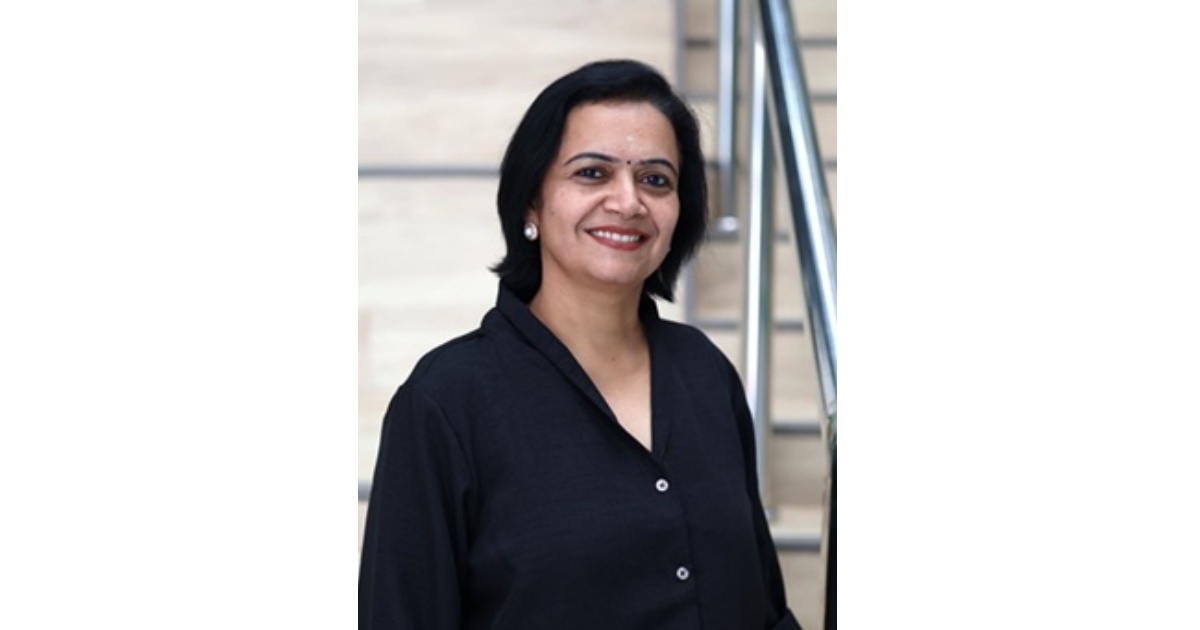
The views expressed here are those of the writer and do not necessarily represent the views of Sarawak Tribune. The writer can be reached at sarahhafizahchandra@gmail.com.