MANY Sarawakians can name the state’s major ethnic communities. Far fewer have heard of the Sebop.
For Felliciti Edang Jeffry Lenyap, that is something she hopes to change.
The 28-year-old from Kampung Long Loyang in Tinjar, Baram, has spent the past few years taking part in pageants and modelling competitions, using the platform not only to challenge herself, but also to represent a community she believes deserves greater recognition.
She spoke to Sarawak Tribune about her unexpected journey into pageantry, finding her voice on stage, and her hopes for the Sebop community and other minority communities in Sarawak.
Sarawak Tribune: You did not originally plan to enter pageantry. How did your journey begin?
Felliciti: My journey was very unexpected.
I joined because I was curious. I wanted to challenge myself and step out of my comfort zone.
Growing up in a rural community, pageantry was never part of my childhood ambitions. I actually wanted to become a teacher or a police officer. I did not know much about modelling or beauty competitions.
Were you always confident speaking in front of people?
No. I was actually very introverted and reserved.
I didn’t talk much in public or with new people. If people talked to me, then I would speak but I did not usually start conversations.
That was one of the reasons I wanted to challenge myself through pageantry.
How did your family react when you first told them you wanted to join a pageant?
They were surprised because it was very different from what they knew about me.
They kept asking me, “Really? Are you serious about this?”
At first, they were uncertain because pageantry seemed completely out of character for someone who had always been quiet and shy.
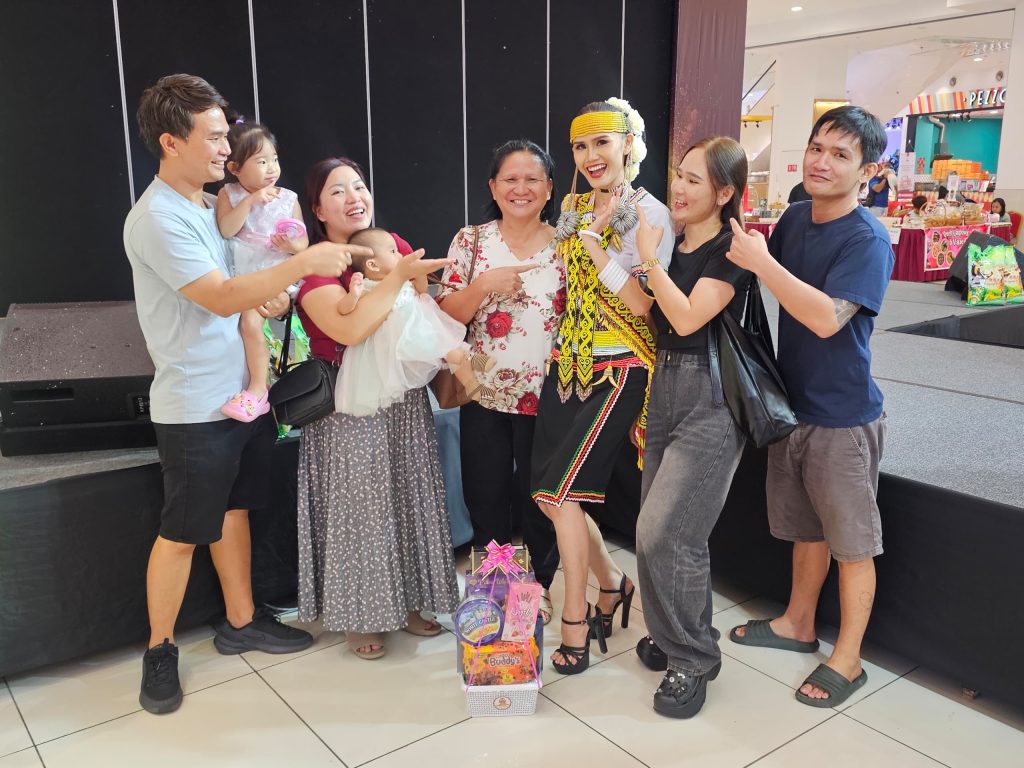
But over time, they became some of my strongest supporters.
What was it like stepping onto the pageant stage for the first time?
One of my earliest experiences was Miss Natives Borneo 2023.
It was exciting but also intimidating because everything was new to me. Pageant contestants had a specific way of walking and it was very hard because I had to learn everything from zero.
Even wearing high heels was something new for me.
Before this, I only wore slippers or normal shoes. Now I can walk and even run in seven-inch heels.
What was the biggest change pageantry brought to you?
My confidence and public speaking improved a lot compared to the previous version of myself.
The walking and appearance are only part of pageantry. You also have to go through interviews, answer questions from judges and communicate confidently under pressure.
That experience really helped me become more confident and willing to speak.
You have achieved several milestones since then. What does pageantry mean to you now?
Pageantry is not about appearance actually. It is about opportunity.
I have been first runner-up in Miss Natives Borneo 2023, placed in the Top 6 of Queen of Harvest, Miss Petite Continental Malaysia, and the Top 10 of Miss Tourism Malaysia.
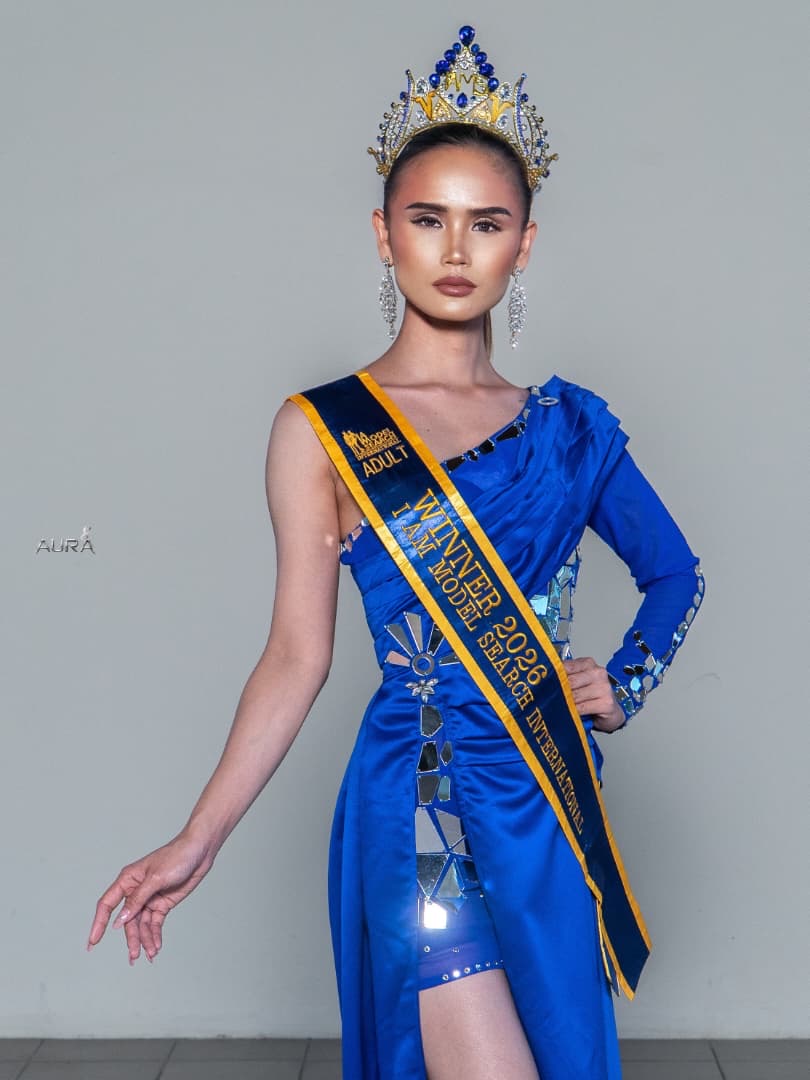
Earlier this year, I represented Malaysia at the I Am Model Search International 2026 competition in Thailand and won.
But every competition gives me another opportunity to improve myself.
Every time I finish a pageant, I look at what I need to improve. Sometimes it’s public speaking, sometimes it’s confidence, sometimes it’s my catwalk. I always want to do better in the next competition.
How does your pageant journey help you represent the Sebop community?
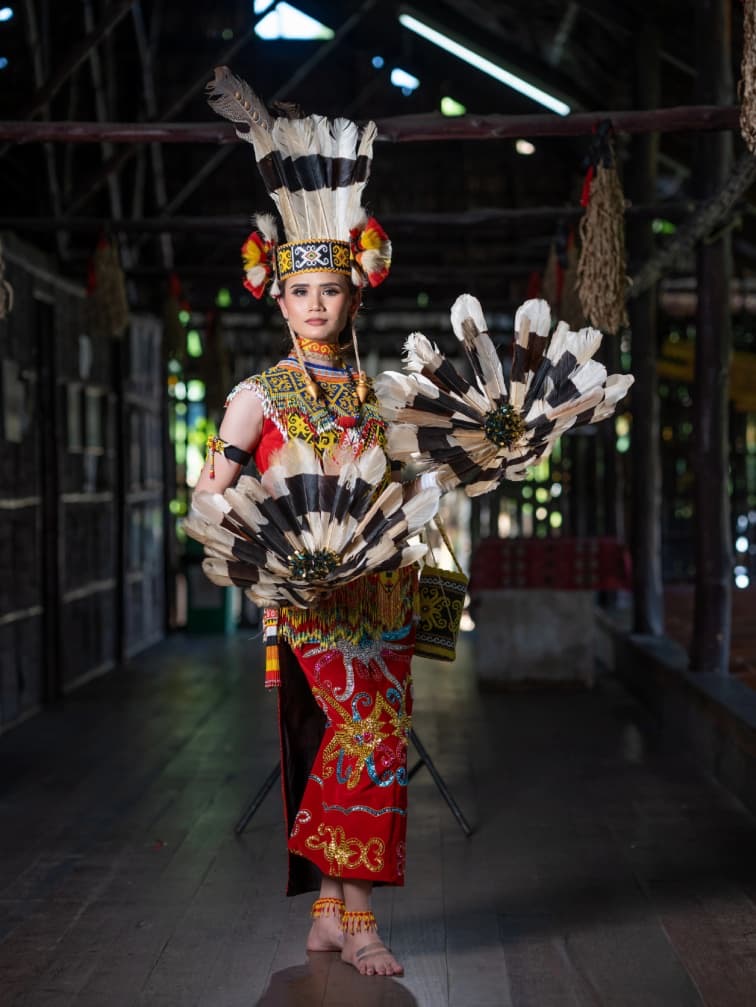
I want everyone to know that our community exists in Sarawak.
I want to inspire all minority communities in Sarawak to step forward and showcase their cultures. I want people to know that they exist in Malaysia.
I want to inspire not only my community but also other minority communities in Sarawak. I want them to be proud of their cultures and show people who they are.
Your work also involves community development. What are some of the initiatives you are involved in?
I work as a sustainability executive with SustaiNation LLP, where I am involved in community projects focusing on youth empowerment, women’s development and education initiatives across Sarawak.
For students, we want them to become more interested in studying and expose them to opportunities outside the rural areas.
For women, we have initiatives involving upcycling and sustainable entrepreneurship. We teach them how to turn used textiles and old jeans into products such as tote bags that can be sold to generate additional income.
We want the women to be independent. We want them to create their own income.
Why is community work important to you?
Because I come from a rural area also, I can foresee the problems. I want to make something back to the community.
I understand that there are challenges faced by people in rural communities, especially when it comes to exposure and opportunities.
That is why I want to use whatever platform I have to give something back.
What do you hope people will remember about you and the Sebop community?
I want everyone to know that the Sebop community exists.
For me, the crown or the title is not the most important thing. What matters is the opportunity to represent where I come from and to encourage others to be proud of their identity.
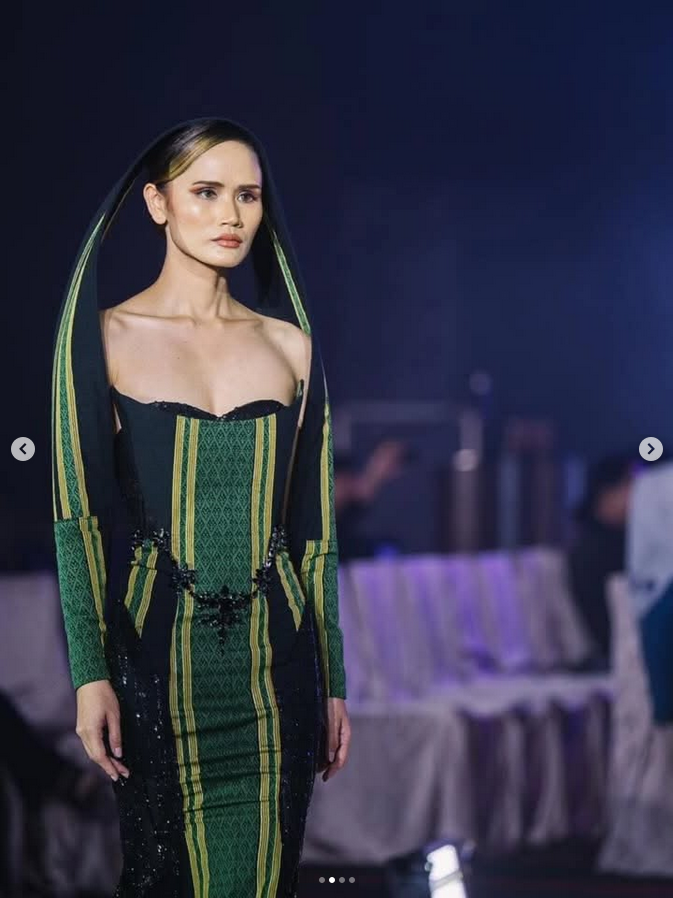
I want to inspire not only my community but also other minority communities in Sarawak. I want them to be proud of their cultures and show people who they are.