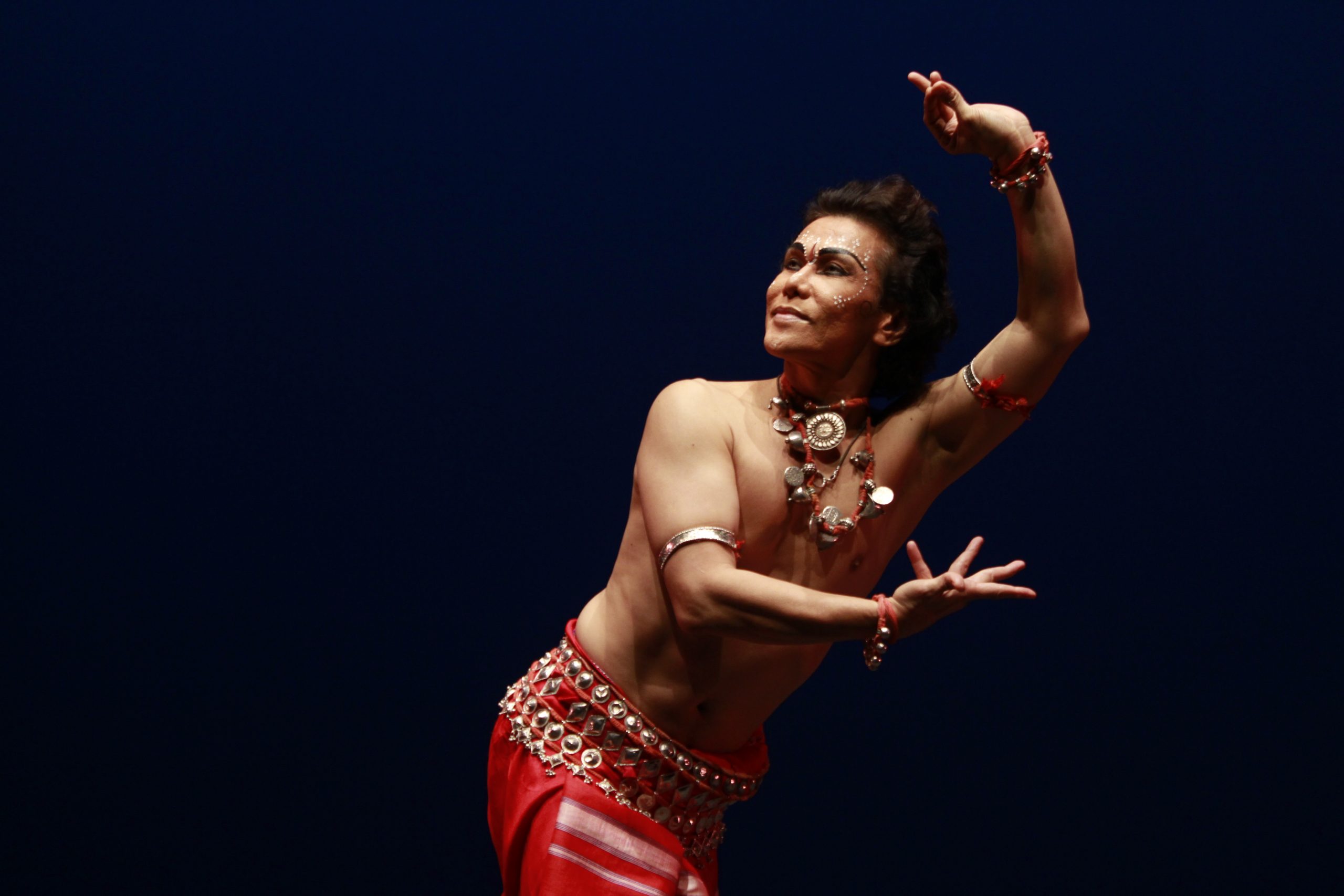
A meeting between legendary dancer Datuk Ramli Ibrahim and acclaimed Bharatanatyam performer Pritam Das brings together two generations united by a shared passion for discipline, tradition and the enduring power of Indian classical dance.
Passing the Baton of Tradition
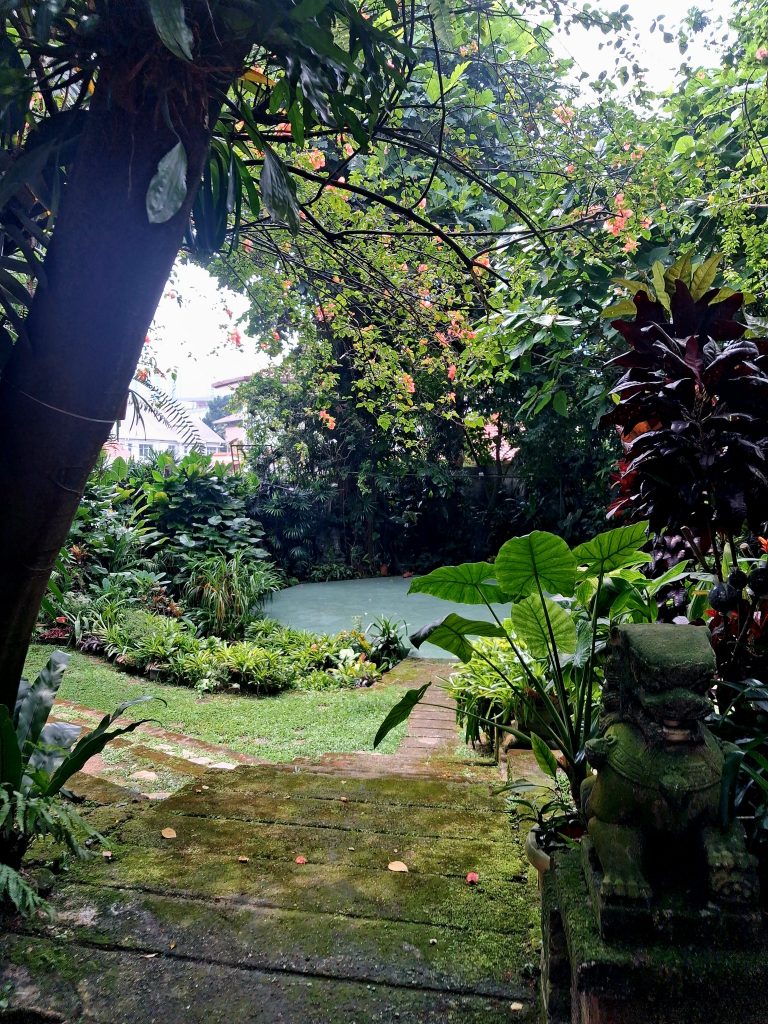
An invitation to visit the Sutra Foundation is not one to take lightly. Founded by Datuk Ramli Ibrahim, Sutra has become a home for traditional and contemporary art in Malaysia, nurturing generations of dancers while creating a space where different cultures and artistic ideas can come together.
And then there is Datuk Ramli Ibrahim himself.
Meeting the renowned choreographer and dancer, one is immediately aware of his presence. He carries himself with a naturally upright posture, speaks polished English and has the unmistakable manner of an old-school gentleman. There is something quietly commanding about him.
Established in 2007, the Sutra Foundation continues Ramli’s vision of developing Malaysia’s performing and visual arts. Its work is rooted in tradition but never afraid to look forward. Over the years, Sutra has produced many accomplished Bharatanatyam and Odissi dancers, with a training approach that places a strong emphasis on the body, discipline and expression.
Dancers undergo specially designed physical conditioning to develop correct posture, anga-sudha, which refers to the perfection of form and lines, as well as the ability to express emotion through movement.
The Sutra Academy teaches Bharatanatyam in the Kalakshetra bani, with much of its repertoire linked to the late Guru Adyar K. Lakshman, while its Odissi training follows the Debaprasad Das parampara.
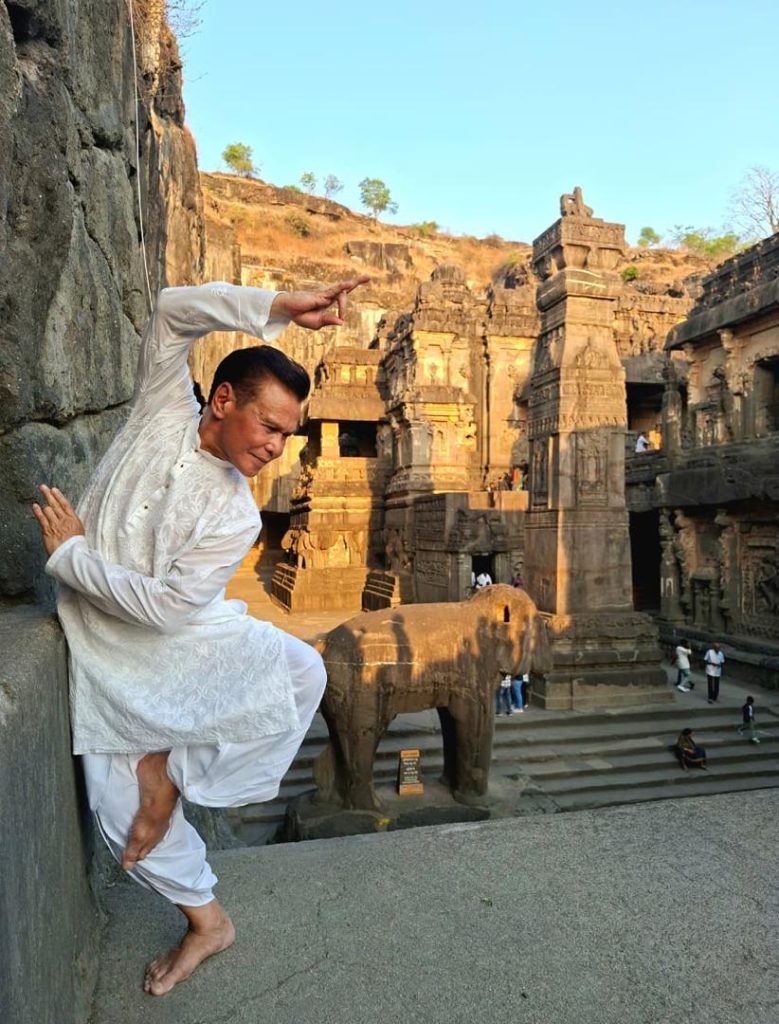
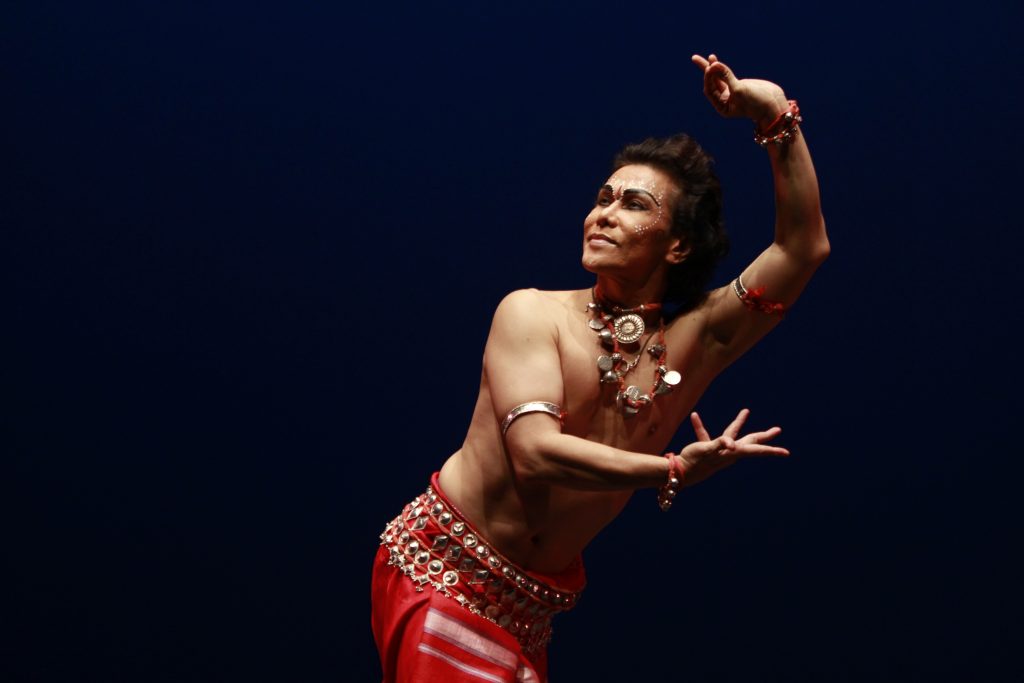
Ramli himself trained in Bharatanatyam under Adyar K. Lakshman before turning his attention to Odissi under the legendary Guru Deba Prasad Das. Over more than four decades, he has played a pioneering role in establishing Odissi in Malaysia and bringing Indian classical dance to international audiences. His contribution was recognised with the Sangeet Natak Akademi Award in 2011 and, in 2018, the Padma Shri from the Government of India.
So, when Ramli was particularly keen for us to meet a highly acclaimed younger dancer who had travelled from India, I was curious.
His name is Pritam Das.
At 32, Pritam represents a very different generation from Ramli, yet there is an obvious connection between them — a deep respect for the discipline, tradition and demanding art of classical Indian dance.
Pritam had come to Sutra House not only to visit the Foundation but also to meet someone he had long admired and wanted to learn from.
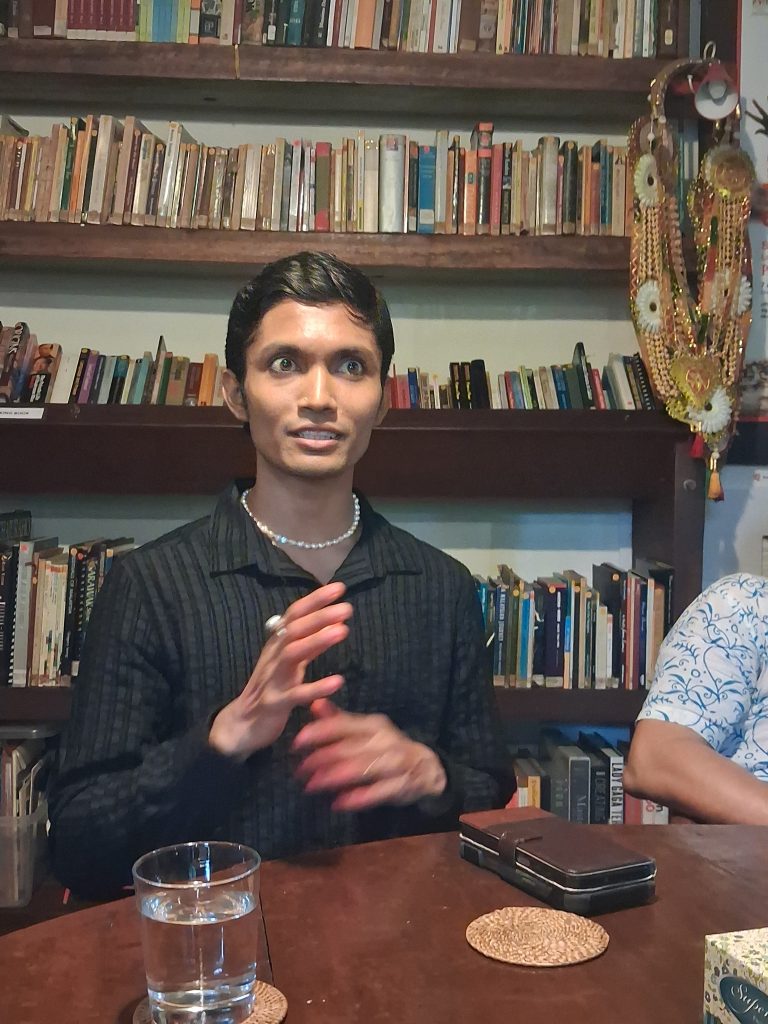
Sitting across from us during the interview, Pritam came across as quiet and disciplined, but there was an energy about him that became increasingly obvious as he spoke about dance.
His journey began when he was just four years old. Growing up in a small village in Bengal, he fell in love with dance at an early age. His mother supported his passion even when others questioned his decision to become a dancer.
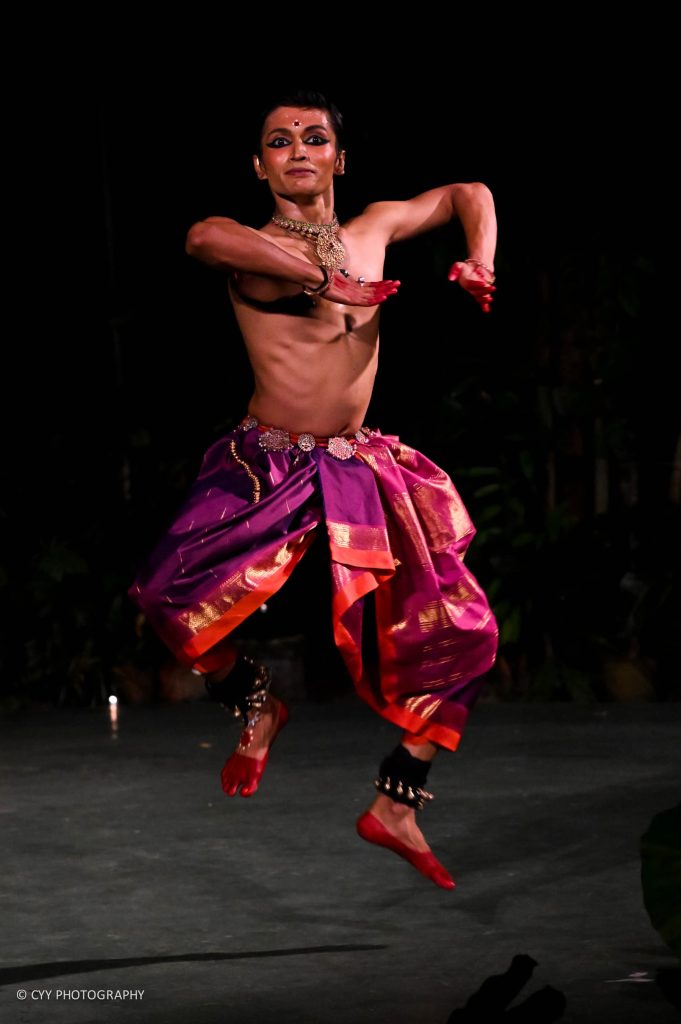
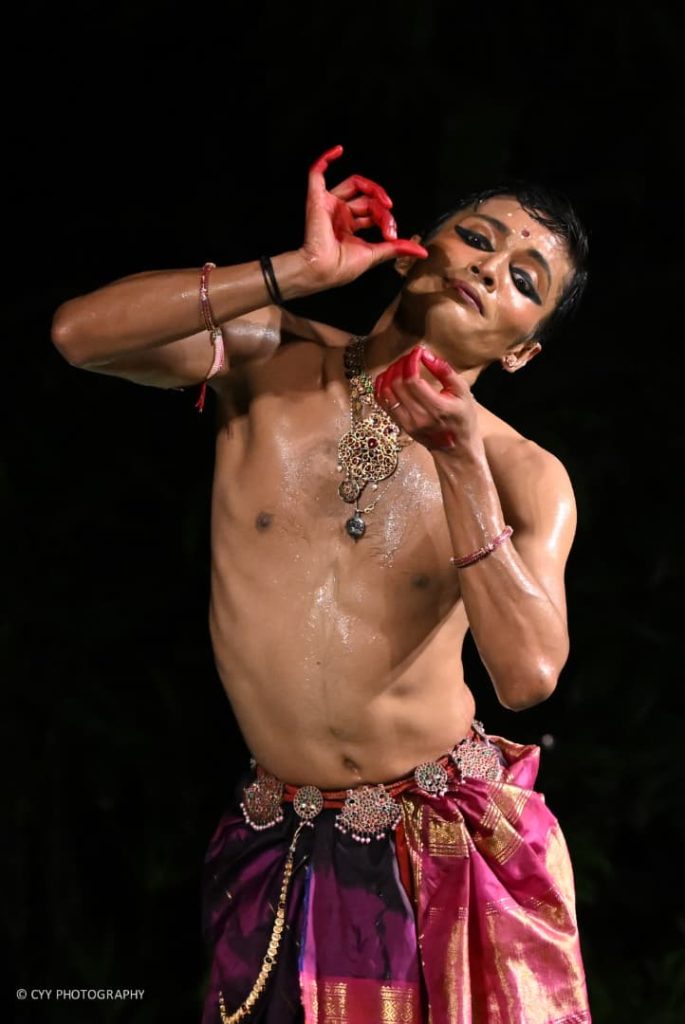
For a young boy in his community, choosing dance was not necessarily an easy path.
He continued his training while going to school and faced the challenges of growing up different, including being bullied. At the same time, he had to learn how to support himself and build a life around his chosen profession.
“It is not easy, but if you believe you can do it, it is possible,” he told us.
That determination has taken him a long way.
Pritam is an accomplished Bharatanatyam dancer from Kolkata who has trained under respected teachers and has already earned recognition on India’s classical dance circuit. He is an ‘A’ Grade artiste with Doordarshan, has received the Senior National Scholarship from India’s Ministry of Culture and has been recognised at major dance festivals.
He holds master’s degrees in Accounts and Finance from the University of Calcutta and Bharatanatyam from Rabindra Bharati University.
But what impressed me most was not the list of achievements. It was the dancer sitting in front of us.
Whenever an interesting question came his way, his eyes lit up almost immediately. Even while talking, his face was expressive and his hands seemed ready to move. It was easy to imagine how that same face and body could transform on stage.
Classical Indian dance demands much more than beautiful movements. The dancer has to communicate through the eyes, face, hands and entire body, often moving between different characters and emotions within the same performance.
Pritam seems particularly comfortable with this.
One moment, he can portray a male character and, almost seamlessly, shift into a female role. His facial expressions change, his eyes become more animated and his entire body takes on another persona.
You begin to understand why Ramli was so eager for us to meet him.
There is also a physical discipline behind the artistry. Pritam is very conscious of keeping himself fit, even when surrounded by tempting food. For a professional dancer, maintaining the body is not simply about appearance. The body is the instrument, and it has to be ready to perform at its highest level.
When Pritam dances, he does not simply execute the steps. He enters the character.
His expressions, movements and eyes work together to tell the story, allowing the audience to understand the emotion behind every gesture. That ability to make an audience feel rather than merely watch is what separates a technically good dancer from a compelling performer.
Naturally, we asked him if he had any ritual before going on stage. For Pritam, it is about preparing himself to give everything he has. There is no room for holding back.
After all, as a performer, you are only as good as the impression you leave behind.
And perhaps that is where the meeting between Ramli and Pritam becomes especially interesting.
One is a veteran who has spent more than four decades performing, choreographing, teaching and building an institution around dance. The other is a younger but accomplished Bharatanatyam dancer from India who continues to carve his own place in the world of classical Indian dance.
Yet both understand the same thing: tradition survives only when the next generation is willing to carry it forward.
At Sutra House in Kuala Lumpur, it felt less like meeting a legend and a younger dancer, and more like witnessing one generation quietly passing the baton to another.
Pritam has since returned to India, carrying with him the experience of meeting and learning from a veteran who has devoted much of his life to keeping classical Indian dance alive and relevant for new generations.