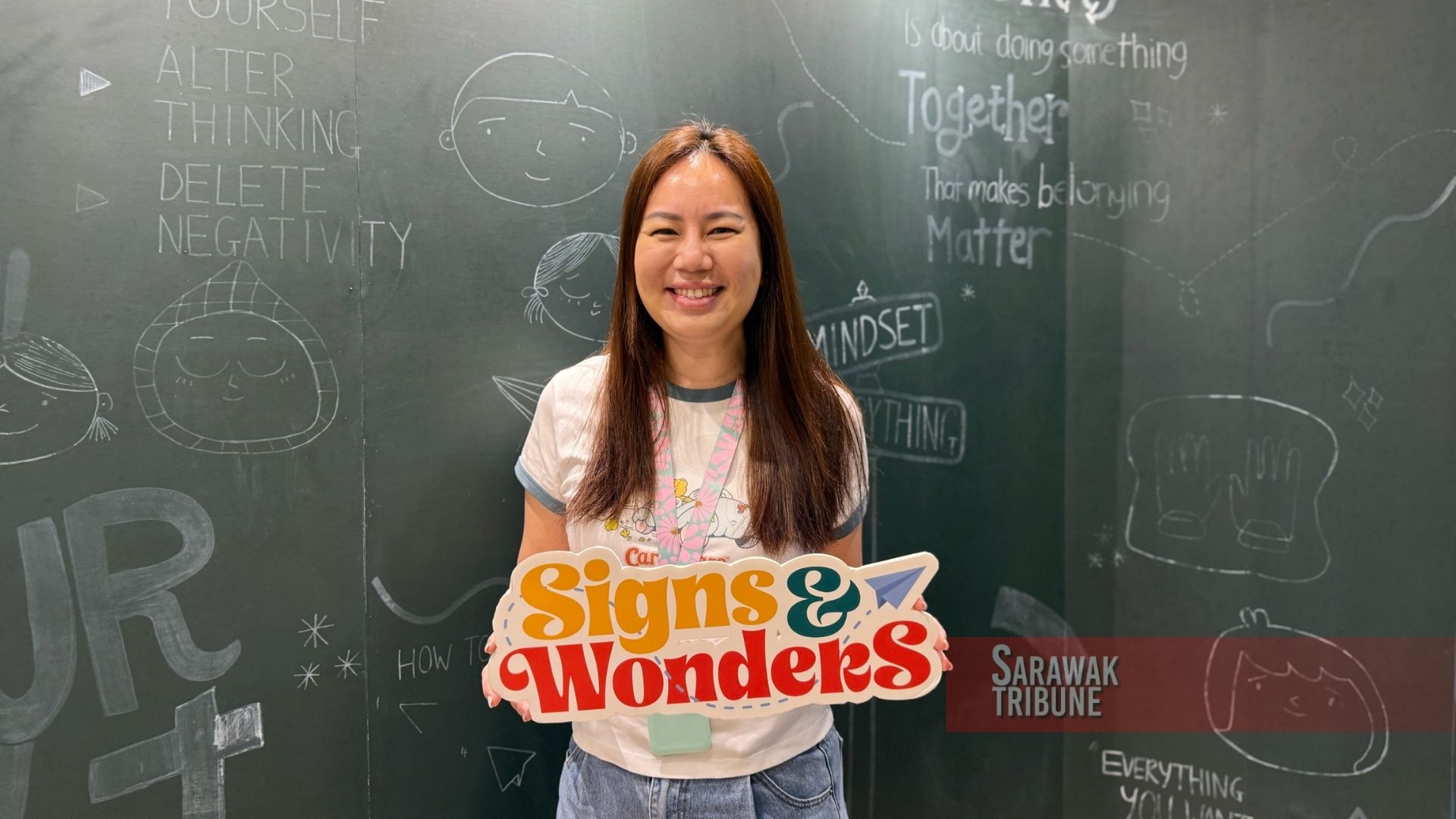
IN a market where childcare and early-learning centres compete for enrolment, Signs and Wonders Hub founder Michelle Teo is taking a different approach — keeping her classes deliberately small, even if it means turning away walk-ins.
For Teo, the early years are more than preparation for school. They are the foundation for life. She believes meaningful learning takes time, consistency and patience, with parents and educators working together to help children grow.
This belief is at the heart of Signs and Wonders, a space Teo describes as an “event space” rather than a conventional preschool or play school.
It is designed as a small learning environment focused on play, independence and practical life skills.
Her Play Lab programme caters to children aged 18 months to four years. Each session is limited to about five or six children to ensure they receive close attention from the facilitators.
For Teo, success is not about filling the centre. It is about giving each child the space and support to grow at their own pace.
Small by design
Signs and Wonders at Milan Square, currently runs weekday sessions every Monday, Wednesday and Friday from 9am to 11am, as well as a Saturday session from 9.30am to 11.30am.
Teo has chosen to operate on a monthly commitment basis rather than accept casual walk-ins, despite receiving regular enquiries from parents.
She believes consistency helps young children understand routines, build relationships and become comfortable in the environment.
“I struggled with this for one or two months. Should I just open it and accept walk-ins? I need the income too,” she told Sarawak Tribune in an exclusive interview.
“But at the end, I had to go back to my core. I want to see the kids grow, even though they are not my own children. The parents are paying, and I have to be responsible for that.”
The small-group approach also allows facilitators to observe the children more closely and respond to their individual needs.
Teo prefers the term “facilitators” rather than teachers because their role is to guide the children through activities and allow them to take part in the learning process.
“I don’t want to overstimulate my staff as well. Handling children at this age means you have to be mindful and delicate. They are very delicate, they are very fragile, and you have to be responsible with what you carry in this space,” she said.
From setbacks to a new direction
The Play Lab is a major change from Teo’s original vision for Signs and Wonders.
The business began about two years ago as an intervention centre for children with special needs.
Teo brought in several partners to operate the intervention side, but the arrangements did not work out as planned.
She eventually found herself personally supporting the business financially while trying to keep it running.
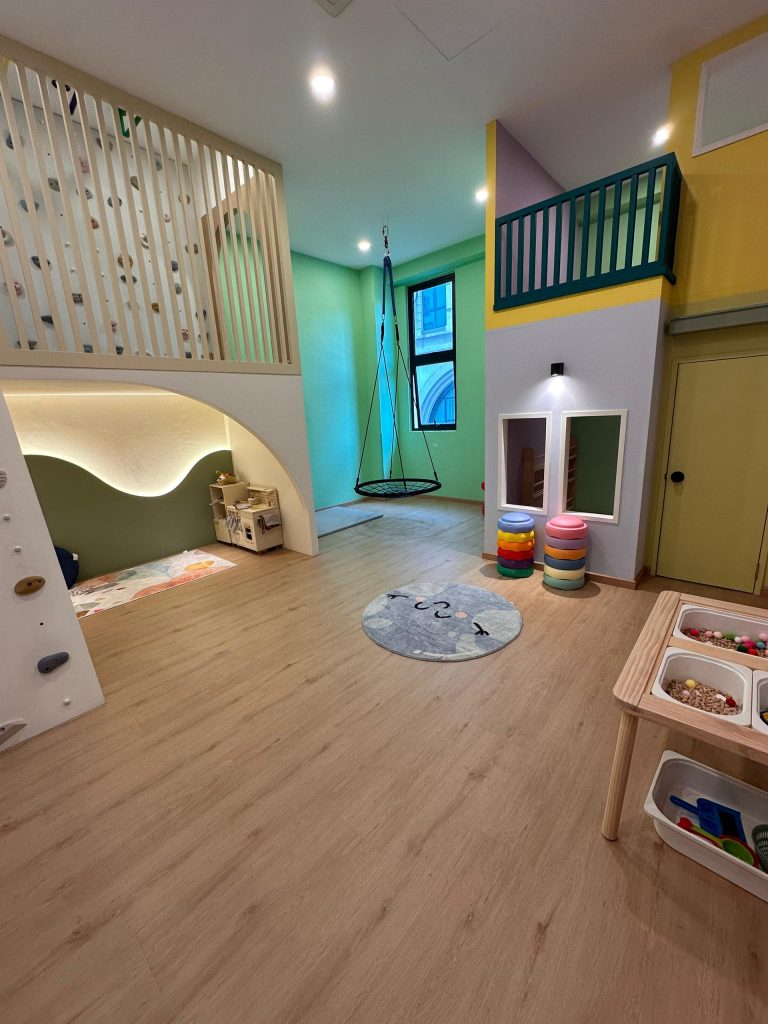
The premises itself also represented a major investment, with Teo estimating that about RM300,000 was spent on its interior and setup.
The space was originally designed as an intervention centre, complete with areas intended for learning, therapy and play.
By the end of 2024, Teo was questioning whether she should continue.
Her brother eventually encouraged her to stop waiting for another partner and build something under her own brand.
“Why do you keep waiting to carry other people’s names or brands? Why don’t you try to do your own brand?” she recalled him asking.
That became a turning point.
Teo developed the Play Lab concept last December and put it into operation in January.
It was also a major personal change for someone who had initially seen herself as a homeschooling mother.
“I never foresaw myself turun padang to run the business by myself,” she said.
“But everything went another way.”
A name that found her
Even the name Signs and Wonders has its own story.
Teo said the word “wonders” kept appearing around her about two years ago — through the radio, billboards and even songs.
The word stayed in her mind until one evening at home when she suddenly suggested “Signs and Wonders” to her husband.
The name eventually stayed.
Although the name has a faith-based origin, Teo said the work carried out at the centre is intended to serve the wider community.
For her, Signs and Wonders is not simply a place where parents leave their children.
It is a space where families and facilitators can work together to support the child’s development.
Learning through experience
The Play Lab modules are developed by Teo herself.
Rather than relying entirely on a ready-made curriculum, she draws from her own experiences, her children’s development and what she has observed to be lacking in existing programmes.
Her experience homeschooling her children also shaped her approach, particularly through exposure to Montessori-style learning.
“I got it really through experience,” she said.
Teo believes the programme also needs to reflect the local environment and culture rather than simply copying approaches from elsewhere.
The focus is not on academic learning.
Instead, children are encouraged to develop social, communication, motor, independence and practical life skills through hands-on activities.
Even simple routines become part of the learning process.
When they arrive, children are encouraged to put away their shoes and bags, take out their water bottles and follow instructions.
They also learn to clean up after themselves and return items to where they belong.
Activities include cutting, Play-Doh exercises, handling markers, reading and sensory play.
“It seems normal for us, but for the kids, they are still building the strength and skills,” Teo said.
A mini-kitchen segment, introduced recently and held on alternate Fridays for now, allows children to participate in simple tasks such as washing, cutting and cleaning.
The idea is for children to realise that the skills they learn at the centre can also be practised at home.
“We don’t just limit it to Play Lab. They can carry it into daily life as well,” she said.
Meeting the needs of young children
Teo said her approach was also shaped by what she observed among children who grew up during the pandemic.
One of the biggest challenges she noticed was social interaction.
“They don’t know how to share, they don’t know how to talk to people and they don’t know how to make friends,” she said.
This is why social, communication and life skills are placed ahead of academic learning at Signs and Wonders.
The children also learn through observation and imitation.
Teo believes the environment surrounding a child can influence how they develop, making it important for adults to model positive behaviour.
Parents see the difference
Feedback from parents who have visited and experienced the programme has also encouraged Teo to continue with her approach.
She said some parents have told her that Signs and Wonders feels different from other centres, particularly in its concept and the way the space is managed.
For Teo, such feedback is important because she knows the small-group model may not be immediately understood by everyone.
She has also faced questions from members of the community about the value of the programme.
Rather than simply explaining it, she invites parents to visit the centre and see for themselves.
“I always invite them to come over and check out the space first, so they have an idea,” she said.
She also believes families should choose what is suitable for them rather than feeling pressured to enrol.
Growing without losing its heart
While Teo remains committed to keeping the existing Play Lab sessions small, she is already exploring ways to expand the business.
One possibility currently being considered is an after-school programme in the afternoons on Mondays, Wednesdays and Fridays.
The expansion could allow Signs and Wonders to reach more families while making fuller use of its existing space and resources.
But for Teo, growth is not simply about increasing enrolment.
She also hopes to create opportunities for young talents who genuinely enjoy working with children to join the team.
She wants to inspire young people to develop their skills while working in an environment where caring for children remains at the heart of the work.
“I want to influence others as well,” she said, adding that she hopes to expand the business and inspire young talents who genuinely love children to become part of the team.
The physical space reflects the philosophy she hopes to build.
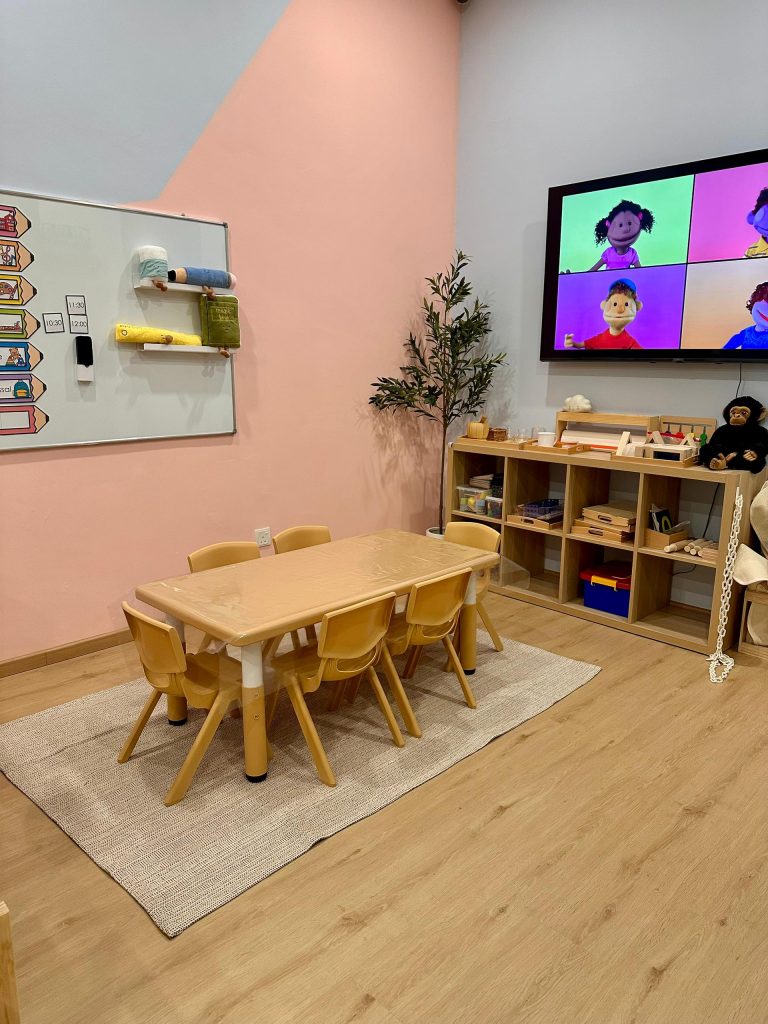
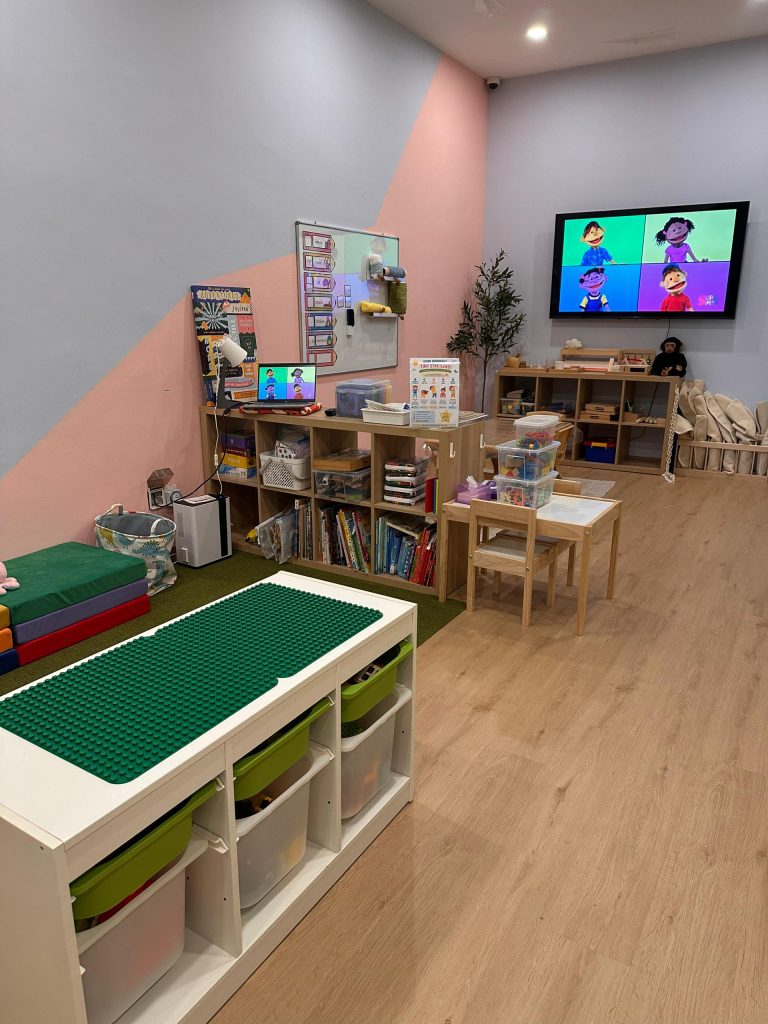
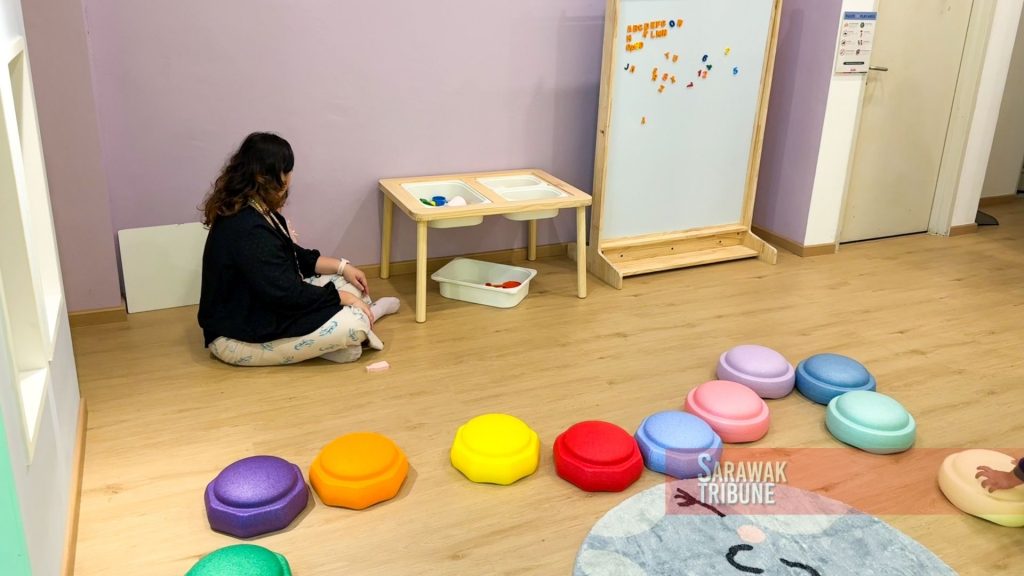
Designed initially as an intervention centre, it has since evolved into a learning and play environment with a learning area, sensory table, quiet room, reading corner, mini loft, mini kitchen and play area featuring climbing and swinging equipment.
Even the paper planes on the ceiling carry a message.
“When I designed this space, I wanted paper planes up there because I visualise all the kids as a blank piece of paper,” she said.
“It is really up to society and the community how we mould them — whether we bring them up or bring them down.”
For now, Teo is choosing to grow carefully.
Her business may be small, but her ambitions extend beyond the walls of Signs and Wonders — to influence how children learn, encourage families to be involved and inspire a new generation of people who see value in nurturing young lives.
“It’s a boutique size, but it carries a big heart,” she said.