KUCHING: Gabungan Parti Sarawak (GPS) GPS remains the clear favourite across Sarawak’s eight Bidayuh-majority seats, but rising voter expectations mean no constituency can be taken for granted.
Political analyst said Professor Dr Novel Lyndon said GPS’s dominance in the Bidayuh belt is rooted in decades of close relationships between political leaders, village communities, community leaders and government development programmes.
“GPS is still very strong in the Bidayuh-majority seats. Its strength does not come only from party loyalty,” he said when asked whether the coalition could realistically retain all the seats in the coming state election.
According to the political sociology professor from Universiti Kebangsaan Malaysia (UKM), many Bidayuh voters have traditionally supported parties they believe can deliver political stability, development and effective access to government, giving GPS a significant electoral advantage.
However, he said the community’s political landscape is gradually evolving as a younger generation becomes more educated, digitally connected and exposed to wider political perspectives through social media, work and higher education.
“As a result, they may judge political leaders differently from older generations,” he said.
Novel described the shift as a transition from “politics of loyalty” towards “politics of performance”, where voters increasingly evaluate whether their elected representatives are approachable, hardworking, responsive to local issues and capable of delivering tangible development.
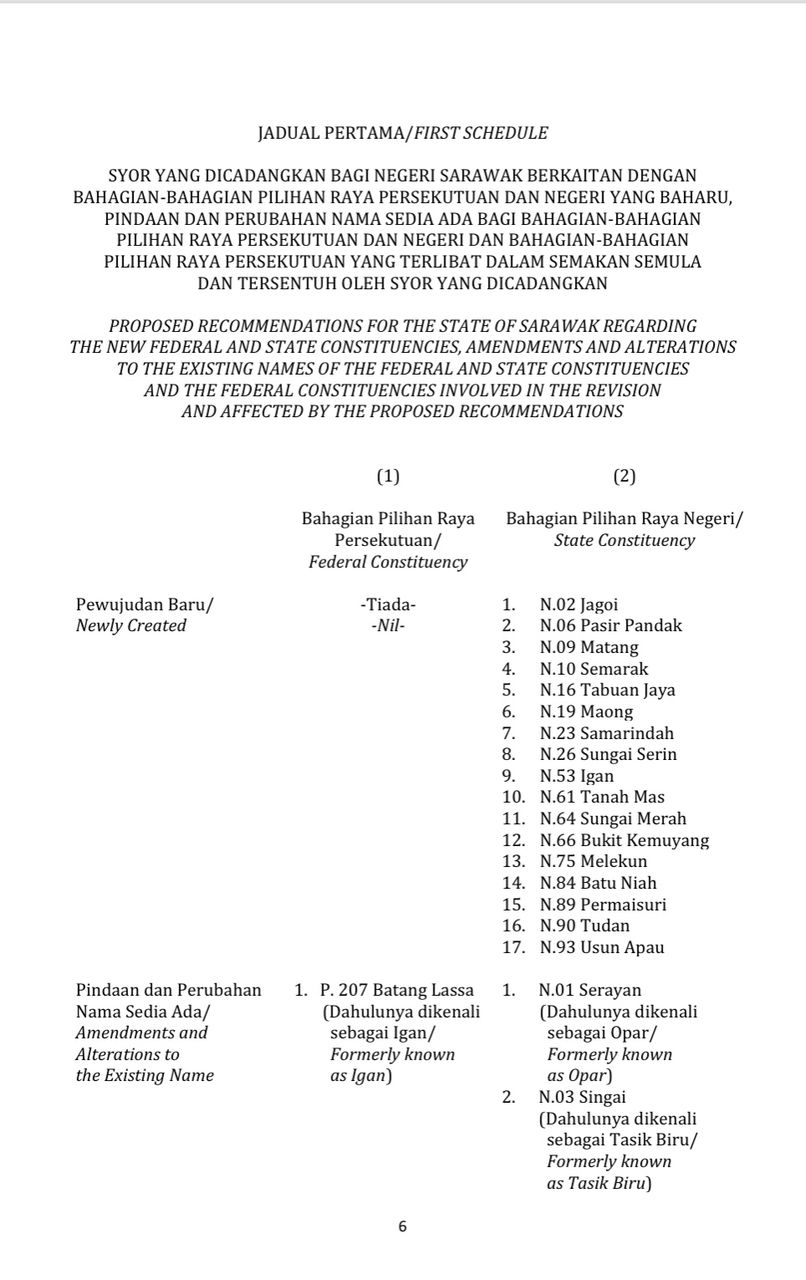
Despite the changing expectations, he believes GPS is well positioned to defend all eight Bidayuh-majority state constituencies — Opar, Tasik Biru, Serembu, Mambong, Tarat, Tebedu, Kedup and Bukit Semuja.
These constituencies, stretching across the Greater Kuching, Bau, Serian and Padawanregions, form the traditional political heartland of the Bidayuh community and are currently represented by GPS assemblymen.
Nevertheless, Novel cautioned against complacency.
“No seat should be taken for granted,” he said, adding that unexpected results could still emerge if constituencies face unpopular candidates, local dissatisfaction, internal party divisions or a credible opposition challenger.
Overall, he does not detect a broad swing among Bidayuh voters against GPS.
Instead, he sees a more nuanced political transformation centred on rising public expectations.
“The important question is no longer only whether Bidayuh voters still support GPS.
“The more important question is whether GPS can continue meeting the higher expectations of a younger, more educated and more connected Bidayuh community,” he said.