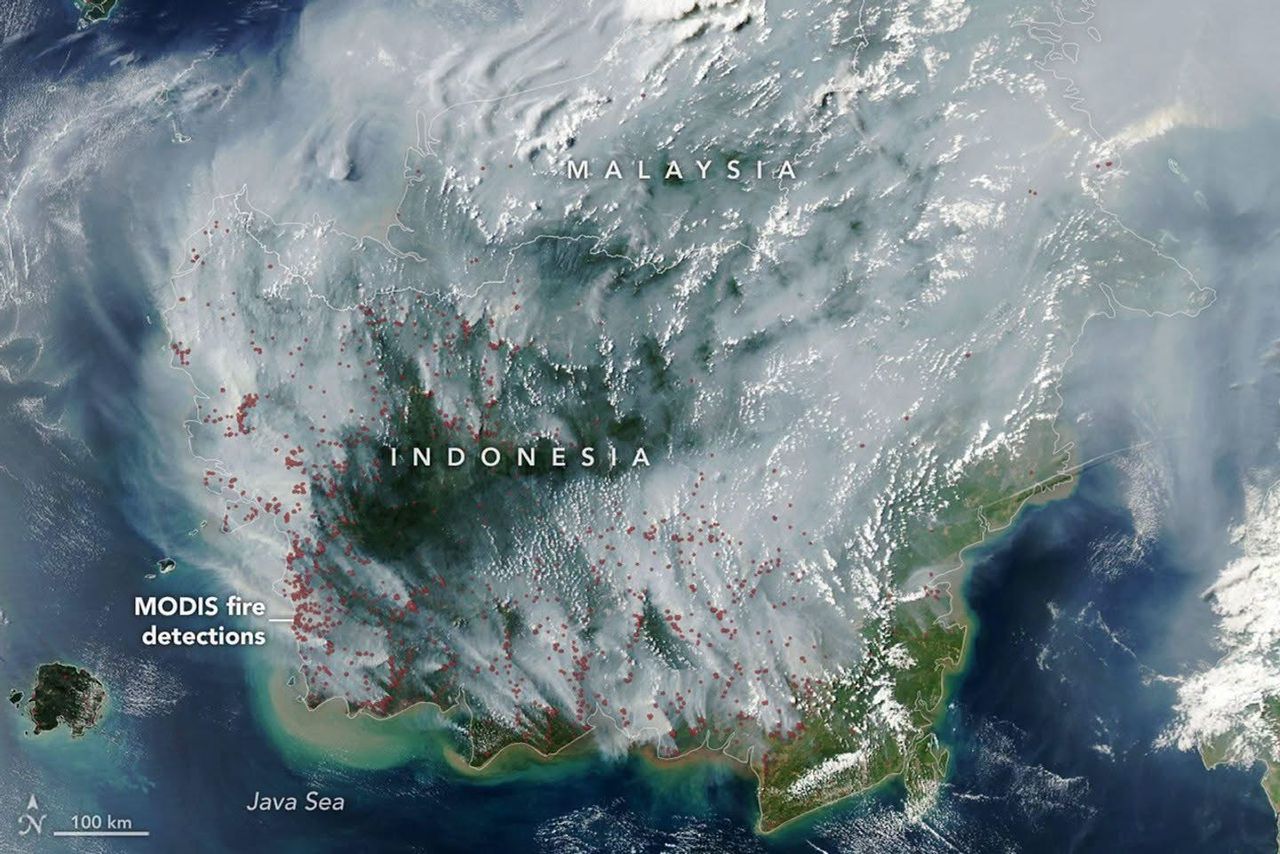
KUCHING: The prolonged haze is beginning to take a toll on people with existing respiratory illnesses, with some previously well-controlled asthma and chronic bronchitis patients becoming more symptomatic and requiring treatment.
Borneo Medical Centre (BMC) Kuching Consultant Respiratory and Internal Medicine physician Dr Kho Sze Shyang said he had observed the effects among some of his own patients as poor air quality persisted.
“My own patients with asthma and chronic bronchitis who used to be controlled may now be a bit more symptomatic and require treatment,” he told Sarawak Tribune.
Dr Kho said people with existing respiratory and other chronic illnesses were particularly vulnerable because exposure to haze could aggravate their underlying conditions.
He also said infants, young children, the elderly and cancer patients among vulnerable groups during prolonged periods of poor air quality.
“Those required to work outdoors for extended periods are similarly at greater risk because of their increased exposure,” he said.
Dr Kho advised people to pay attention to symptoms that were new, unfamiliar or persisted longer than usual.
He said haze episodes in recent years had generally not been as prolonged, meaning symptoms such as eye irritation or mild breathlessness could subside once conditions improved.
“However, when exposure continued for a longer period, persistent symptoms should not simply be ignored. If you have all these symptoms that are new, that are unfamiliar to you, and if they are more prolonged, it is better to seek help from doctors,” he said.
Dr Kho explained that treatment would depend on the individual’s symptoms and underlying condition as there was no single treatment specifically for haze exposure.
“Haze is not like COVID-19, where there was a more defined clinical presentation and approach to managing patients. With haze, people can present with different symptoms and health issues.
“In many cases, it may simply cause irritation, but it can also aggravate existing conditions or lead to other respiratory problems. So, there is no one-size-fits-all approach to treatment – it depends on the individual’s symptoms and underlying health condition,” he added.