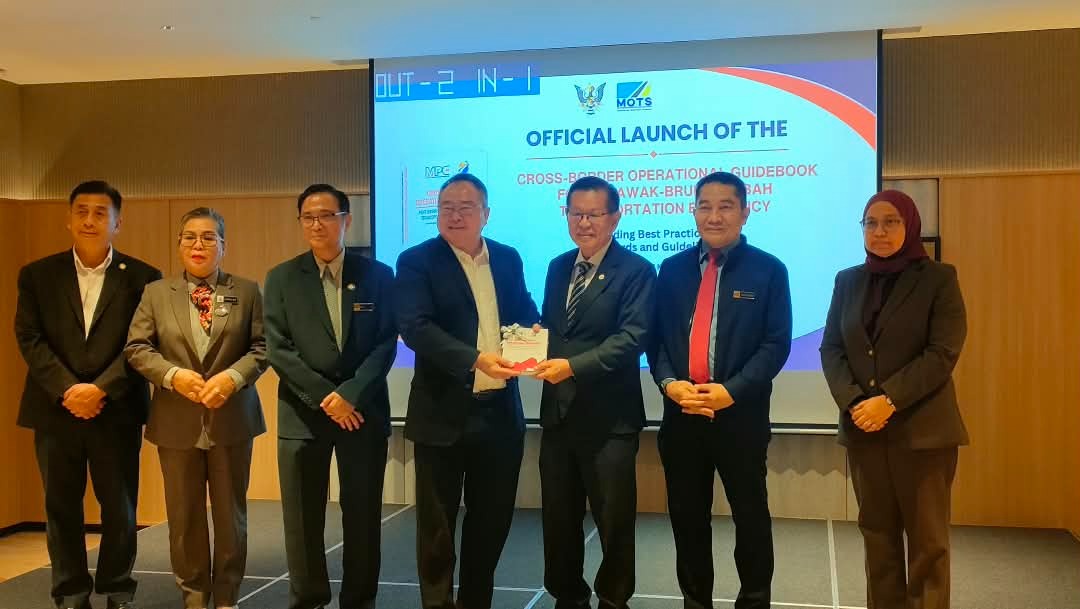
KUCHING: Sarawak is pushing for simpler, clearer and more predictable cross-border transport procedures with Brunei Darussalam and Sabah to facilitate the movement of people and goods across Borneo.
Transport Minister Datuk Seri Lee Kim Shin said efficient connectivity depended not only on roads and infrastructure, but also on the effectiveness of border processes, permits, documentation, inspections and regulatory requirements.
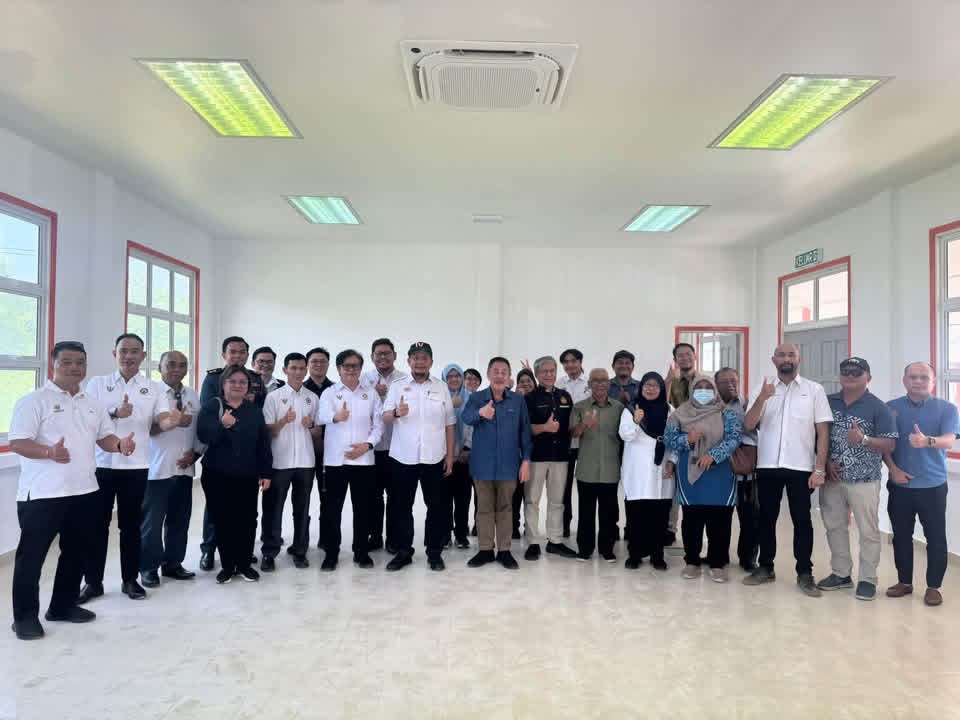
“Good infrastructure alone does not guarantee good connectivity,” he said when launching the Cross-Border Operational Guidebook for Sarawak-Brunei-Sabah Transportation Efficiency and opening the BIMP-EAGA Land Transport MoUs Review and Stakeholder Workshop at a hotel here today (Sept 14).
Lee said Sarawak’s land links with Brunei and Sabah supported the movement of people, goods, trade, tourism and investment, while strengthening supply chains and connecting communities across Borneo.
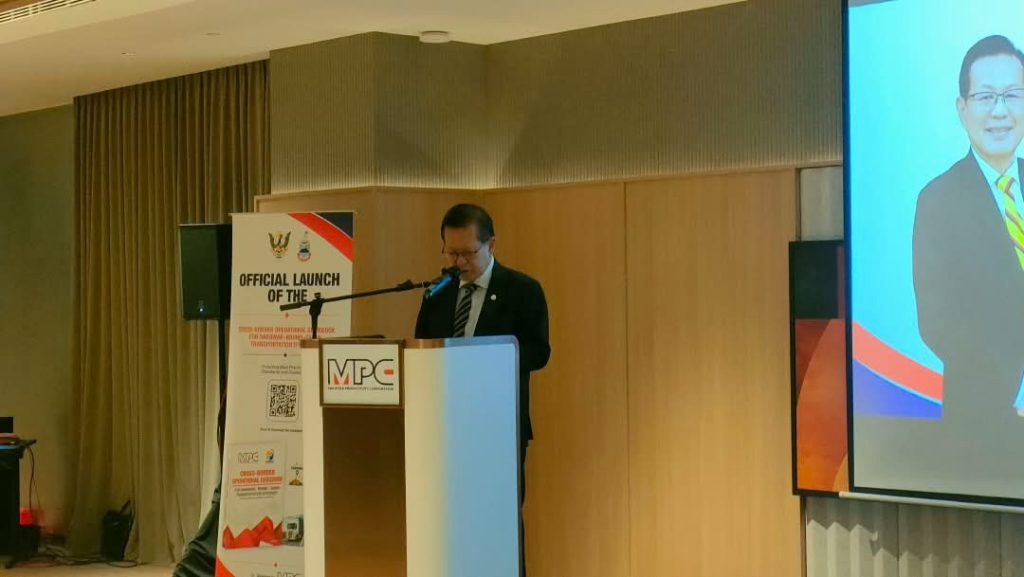
He also said the aim is not necessarily to make regulations across the three jurisdictions identical, as each had its own laws and responsibilities.
“Efforts should focus on achieving greater clarity, alignment, mutual understanding and predictability wherever possible.
“Where requirements differ, operators should clearly understand those differences. Where processes can be simplified, we should simplify them.
“Where duplication exists, we should examine it. And where agencies can coordinate better, we should strengthen that coordination,” he said.
Lee also stressed the importance of industry participation in identifying operational problems and developing practical solutions.
He said transport operators experienced cross-border procedures daily and were therefore well placed to identify where delays occurred, which requirements created uncertainty and where improvements could be made.
Meanwhile, Lee said the launching of the Cross-Border Operational Guidebook serves as a practical reference by bringing together key transport requirements and procedures, including documents, permits, relevant authorities and conditions involved in cross-border journeys.
Lee said the guidebook should not merely record existing procedures, but remain a “living reference” that could evolve alongside regulatory and operational changes.
“It should support a continuous improvement process, moving from greater clarity to simplification, harmonisation and eventually wider digitalisation,” he said.