PART ONE
The calls that never leave
THE sound of a fire siren often signals the beginning of someone else’s worst day.
It cuts through traffic, quiet neighbourhoods and busy streets, prompting motorists to make way as firefighters race against time towards an emergency they know very little about, except that someone, somewhere, needs help.
When the emergency ends and the fire engine leaves the scene, most people assume the hardest part is over.
The flames have been extinguished, victims have been rescued or accounted for, investigators begin their work and life gradually resumes.
For firefighters, however, the end of an operation rarely marks the end of the incident itself.
While the smoke eventually clears and the physical exhaustion fades, certain memories remain quietly embedded in their minds, resurfacing unexpectedly long after the sirens have fallen silent.
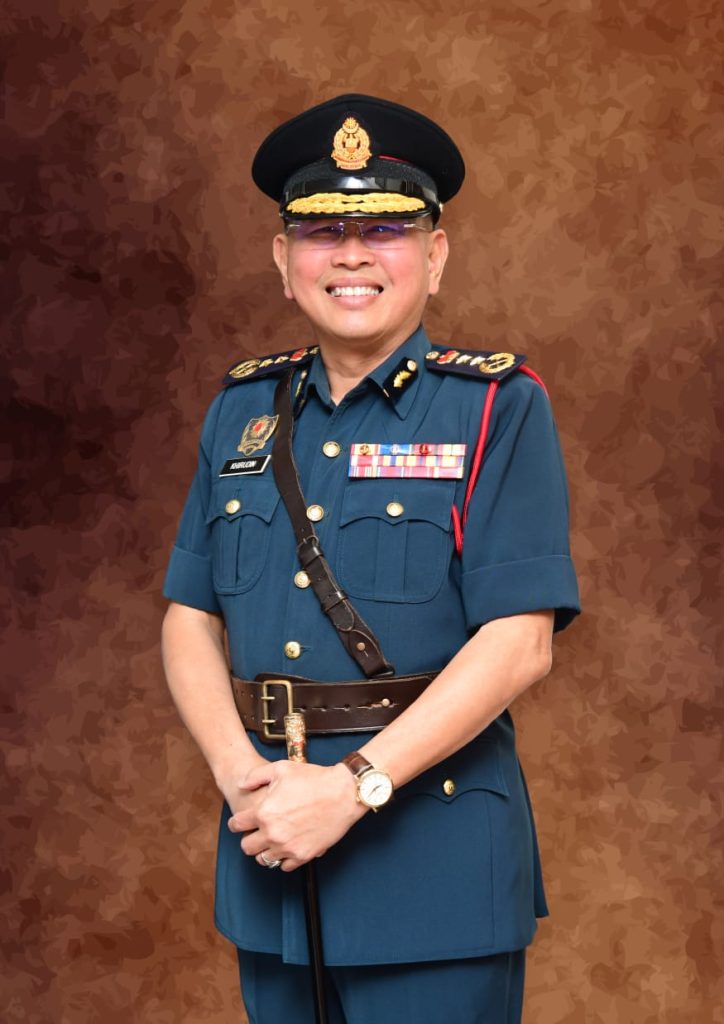
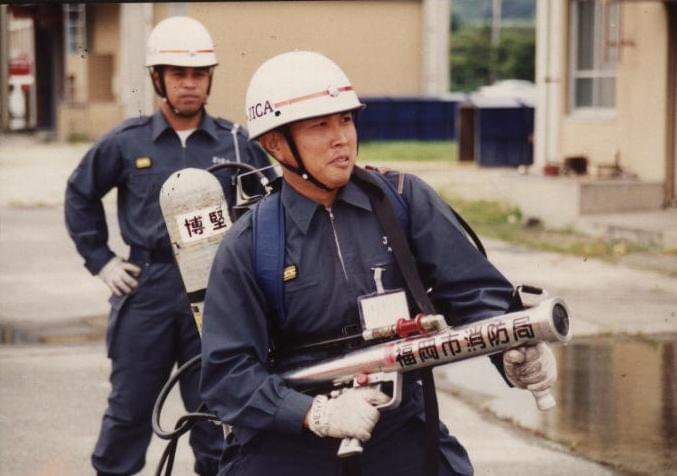
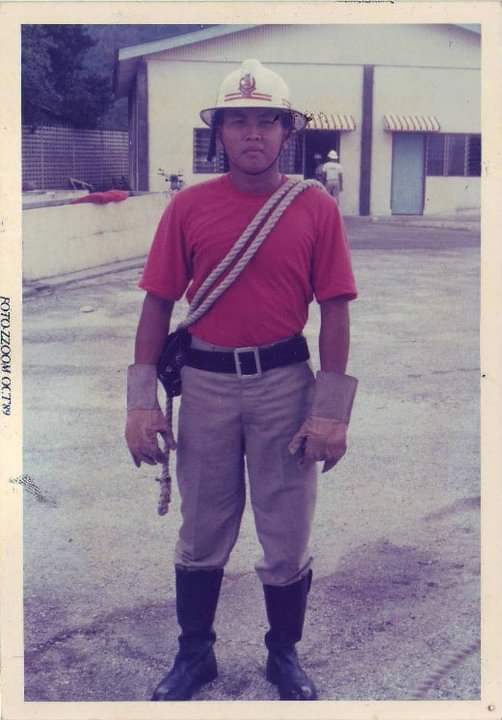
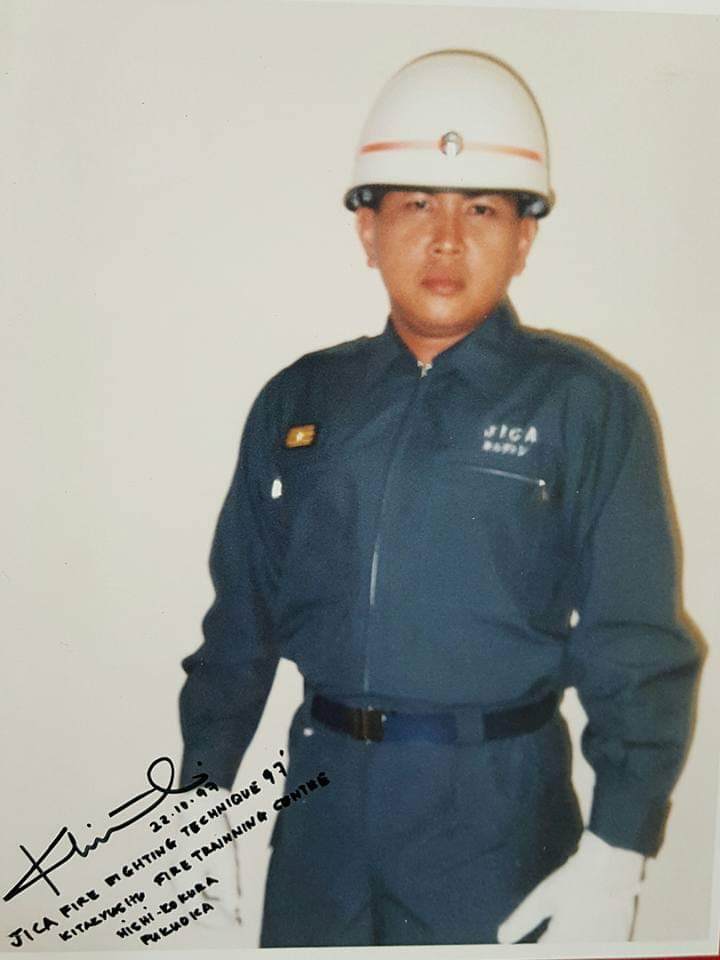
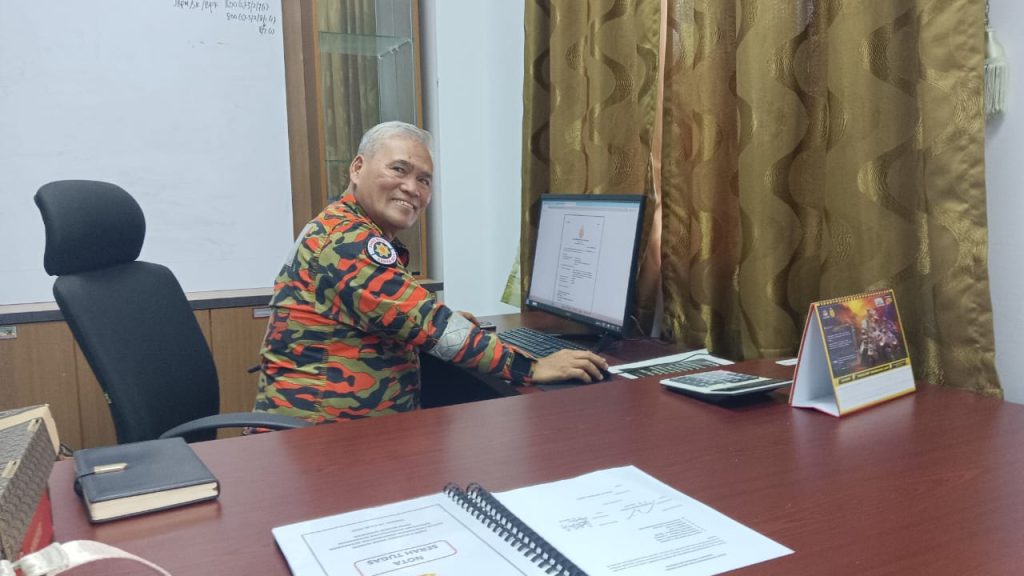
It is an aspect of firefighting that rarely receives the same attention as dramatic rescues or towering flames. Yet, it is one that has accompanied former Deputy Fire Commissioner and Director of Fire Safety and Prevention Division BOMBA Malaysia, Datuk Khirudin Drahman, for almost four decades.
Throughout his years in service, Khirudin has responded to thousands of emergencies involving fires, road accidents, floods, search and rescue operations and countless situations where lives changed within a matter of minutes.
He said it had become difficult to remember every incident individually because responding to emergencies eventually became part of his daily life.
“There have been so many incidents throughout my career that they have blended together into experience and exposure. However, there are some incidents that time has never managed to erase,” he said.
Despite the countless operations he attended over the years, Khirudin said one particular tragedy involving three young siblings continued to occupy a place in his memory today.
It was not the largest fire he had attended, nor the most technically demanding operation of his career.
Instead, it was a tragedy that reminded him how devastating the consequences of a preventable fire could be, particularly when innocent lives were involved.
“According to subsequent investigations, two young sisters and their toddler brother had been left inside a small rented room while their single mother went to work. At some point, a fire broke out, trapping the children inside before anyone could reach them,” he said.
When firefighters entered the room, they were met not only by the devastating consequences of the blaze, but by a scene that has remained with Khirudin ever since.
He said the toddler was found in the embrace of his seven-year-old sister, who, in what were likely her final moments, had instinctively wrapped her arms around her younger brother as though she was trying to protect him from the flames surrounding them.
“The three siblings perished in the fire together. To me, it was not simply another fire scene because it caused me great pain and I kept asking myself why they had to suffer,” he said.
Looking back today, Khirudin admitted that what continued to trouble him was not simply that three young lives were lost, but that investigators later concluded the tragedy could have been prevented.
He said it was a reminder that every fire safety briefing, school programme and community engagement could mean the difference between another family returning home safely or becoming another emergency call.
“Contrary to what many people may assume, firefighters do not become emotionally immune simply because they witness tragedies regularly.
“Experience may strengthen our ability to make decisions under pressure and carry out difficult tasks with professionalism but it does not erase the emotional impact of recovering victims, comforting grieving families or witnessing lives cut short in circumstances that should never have happened,” he said.
Rather than allowing those memories to weigh him down, Khirudin channelled them into something he believed could save lives.
He said every school programme, community engagement session and fire safety campaign became an opportunity to remind the public that preventing a fire would always be more meaningful than responding to one.
“Seeing unnecessary deaths motivates me to work even harder to educate the public. I always share these incidents whenever I meet members of the community because fire safety should be everyone’s responsibility,” he said.
That conviction eventually became the philosophy that had guided much of his career: “We want to see you before the fire, not after.”
Meanwhile, retired Senior Fire Superintendent, Kurung Suwen, remembers his years in uniform through the countless rescue operations that demanded split-second decisions in situations where lives often depended on time.
Having served for 35 years and 11 months, spending almost three decades under the Operations Division before concluding his career with the Special Malaysia Disaster Assistance and Rescue Team (SMART), he estimated that he responded to well over 1,000 emergency incidents.
“For me, joining the department was never simply about extinguishing fires. It was driven by a desire to serve the community, save lives and stand on the frontline whenever disaster struck,” he said.
Throughout his career, that calling brought him to some of Malaysia’s most significant disasters, from devastating landslides and deadly road crashes to floods and large-scale search and rescue operations.
Yet among the thousands of emergencies he attended, one tragedy from more than two decades ago remains impossible to forget.
In 2002, Kurung was among the rescuers deployed to the Hillview landslide in Ulu Klang, Selangor where a massive landslide destroyed a bungalow and buried eight people alive.
As rescuers painstakingly searched through tonnes of earth and debris, they eventually came across a sight that has remained etched in his memory ever since.
He said they found the mother embracing her two young children, as though she had held them tightly in a final attempt to protect them.
“It looked as though she had tried to escape but couldn’t. The father had also attempted to get out through the main entrance but he too became trapped,” he recalled.
For Kurung, the discovery became a powerful reminder of the instinctive love parents had for their children, even in the face of certain death.
“Nothing can truly describe what I saw that day. It showed me how deep a mother’s love was..
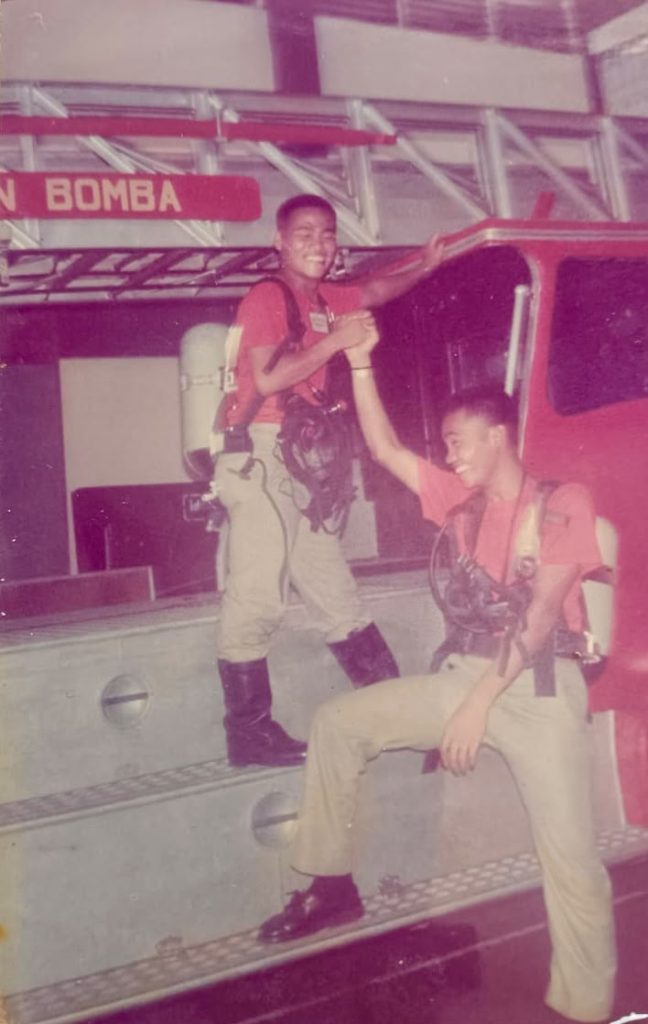
“She stayed with her children until the very end because she could not bear to leave them behind. Unfortunately, she perished together with them,” he said.
Similar to Khirudin, Kurung said the incidents that stayed with him the longest were those involving children.
One such operation was the rescue of primary school pupils during severe flooding in Bintulu in 2012, a reminder of how quickly an ordinary school day could become a fight for survival.
Road accidents, however, often carried a different kind of emotional weight.
He recalled one particularly traumatic crash along Jalan Tatau–Bintulu that claimed six lives, including two babies.
“I was deeply saddened after the operation. It is something I have never forgotten,” he said.
Kurung’s career also brought him to one of Sarawak’s largest search and rescue operations following the Express Boat tragedy near Jeram Bungan, Belaga in 2013.
More than 200 passengers were on board when the vessel capsized in the Rajang River, triggering a massive search and rescue operation that lasted 21 days.
Rescuers worked under extremely challenging conditions, navigating dangerous whirlpools, limited transportation, communication difficulties and logistical constraints in their search for survivors and the missing.
Of the many victims involved in the tragedy, one young pregnant woman has remained in Kurung’s memory ever since.
“She had initially managed to escape safely, but went back onto the boat because she had forgotten her purse which contained her husband’s money. She was pregnant with her first child.
“Her husband stayed with us throughout the entire 21-day search and rescue operation, hoping we would find her. Unfortunately, until today, her body has never been recovered,” he said.
For Kurung, it was another reminder that disasters were not defined solely by the number of lives lost, but by the families left waiting for answers long after the operation has ended.
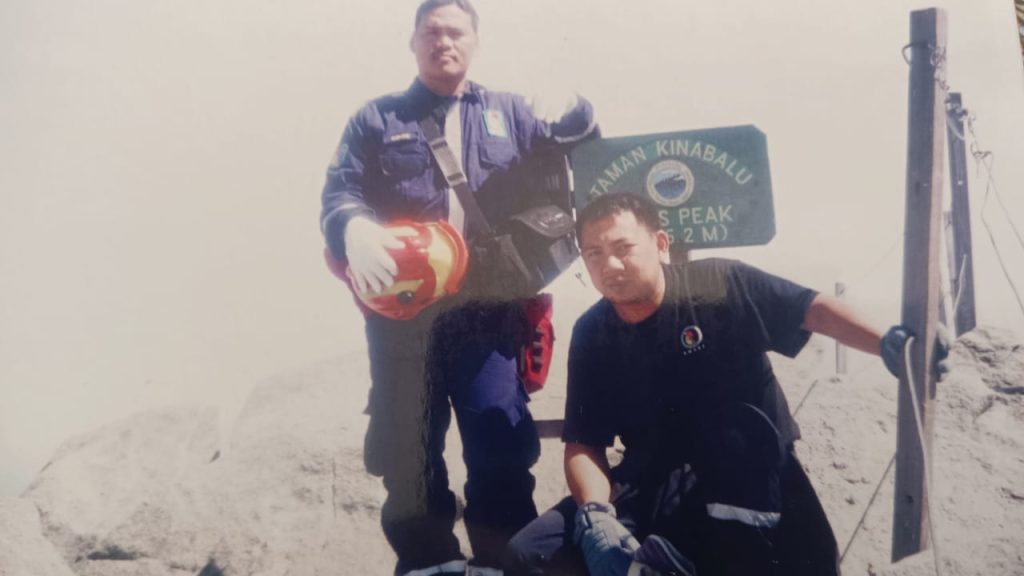
He said operations like this not only tested physical endurance but also emotional resilience.
“Although firefighters are trained to remain focused throughout an operation, the emotional impact often surfaces afterwards. For me, some incidents remained for days while others lingered for weeks.
“Even today, certain memories unexpectedly return whenever I drive past locations where major tragedies once occurred,” he said.
Kurung chose not to carry those experiences alone.
He said he frequently spoke to his wife and close friends about difficult operations, believing that sharing those experiences helped ease the emotional burden that naturally accompanied a career spent responding to tragedy.
Looking back after more than three decades in uniform, he believes firefighting has taught him one lesson above all others.
“Life is full of uncertainties. We have to do everything we can before tragedy happens to us, our families and our communities,” he said.
Despite witnessing unimaginable loss throughout his career, Kurung said he had never regretted becoming a firefighter.
“Firefighting is a noble profession. For me, rescuing even one life feels like winning an Olympic gold medal for your country,” he said.
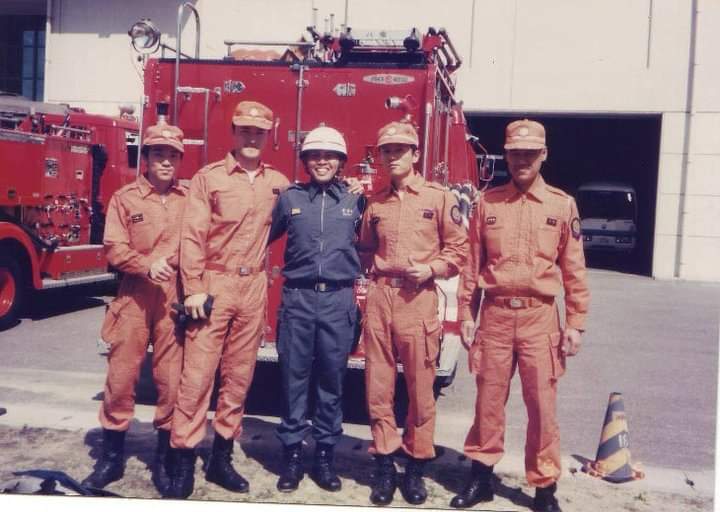
Although years have passed since the incidents they described, both Khirudin and Kurung agreed that certain emergency calls never truly left those who responded to them.
The memories may gradually settle into the background of daily life but they have a way of resurfacing unexpectedly, reminding them that while an operation officially ends once the reports are completed and the fire engine returns to the station, its emotional impact can endure for years.
While the public often remembers the flames, collapsed buildings or flashing emergency lights, firefighters are more likely to remember the faces they encountered, the families whose lives changed in an instant and the moments that quietly remained with them long after the emergency was over.
For Khirudin and Kurung, decades in uniform have reinforced one enduring lesson: firefighting is not measured solely by the fires extinguished or the lives rescued, but also by the tragedies that inspire a lifelong commitment to protecting others from experiencing the same heartbreak.
In the next article, the perspective shifts to a younger generation of firefighters, where Muhammad Luqmanul Hakim and Mirza Dzalmira Miraj reveal that despite changes in equipment, training and operational procedures, some emergency calls continue to leave the same lasting emotional imprint on those who answer them.