After the Siren Ends: Part Two
WHILE Datuk Khirudin Drahman and Kurung Suwen served in a different era of firefighting, the emotional burdens they described strike a chord among those who continue answering emergency calls today.
Every generation of firefighters inherits a different Fire and Rescue Department (BOMBA).
New equipment replaces old, operational procedures evolve, technology advances and training becomes increasingly sophisticated to meet the demands of modern-day emergencies.
Yet despite those changes, one aspect of the profession has remained remarkably unchanged – some emergency calls never truly end.
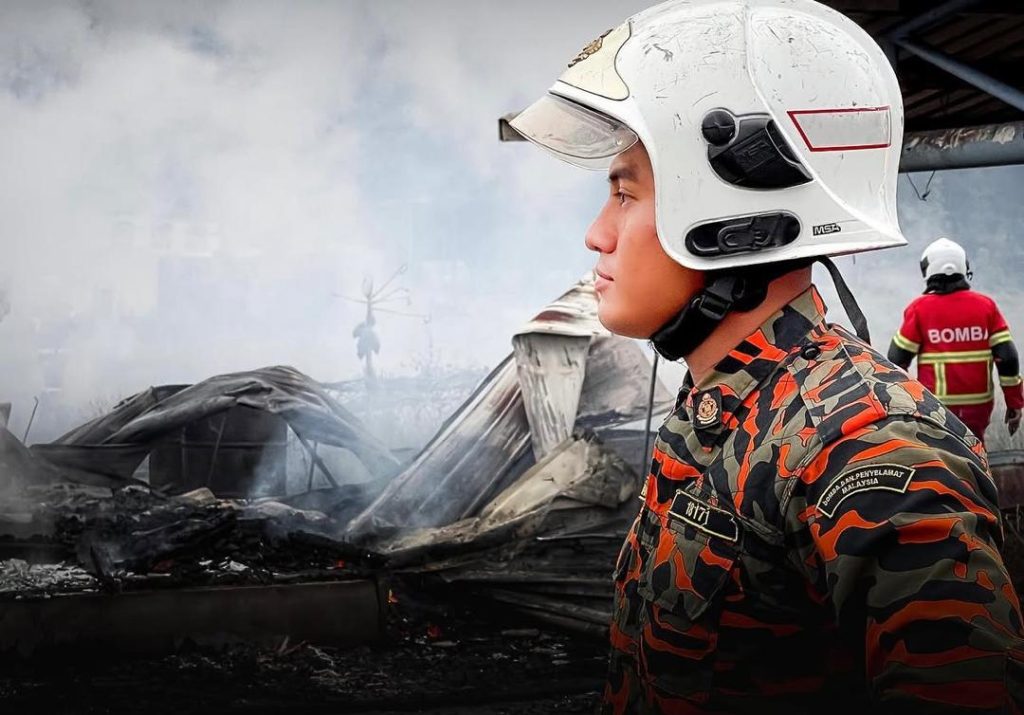
They become memories quietly carried from one generation of firefighters to the next, resurfacing long after the reports have been completed, the fire engines have returned to the station and the uniform has been taken off.
It is a reality shared not only by retired firefighters looking back on decades of service but also by those who continue answering emergency calls today.
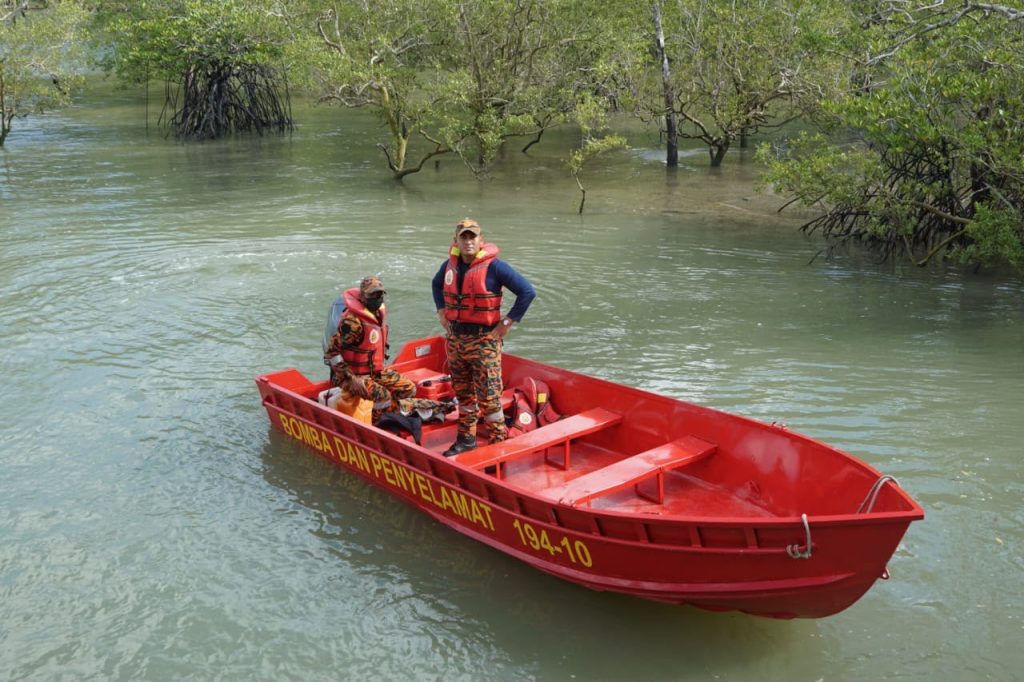
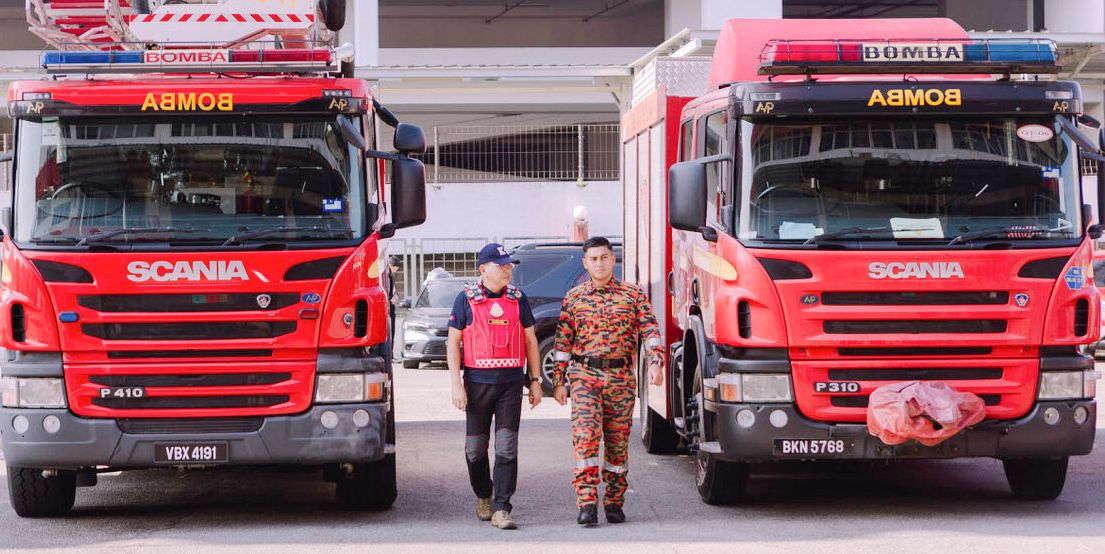
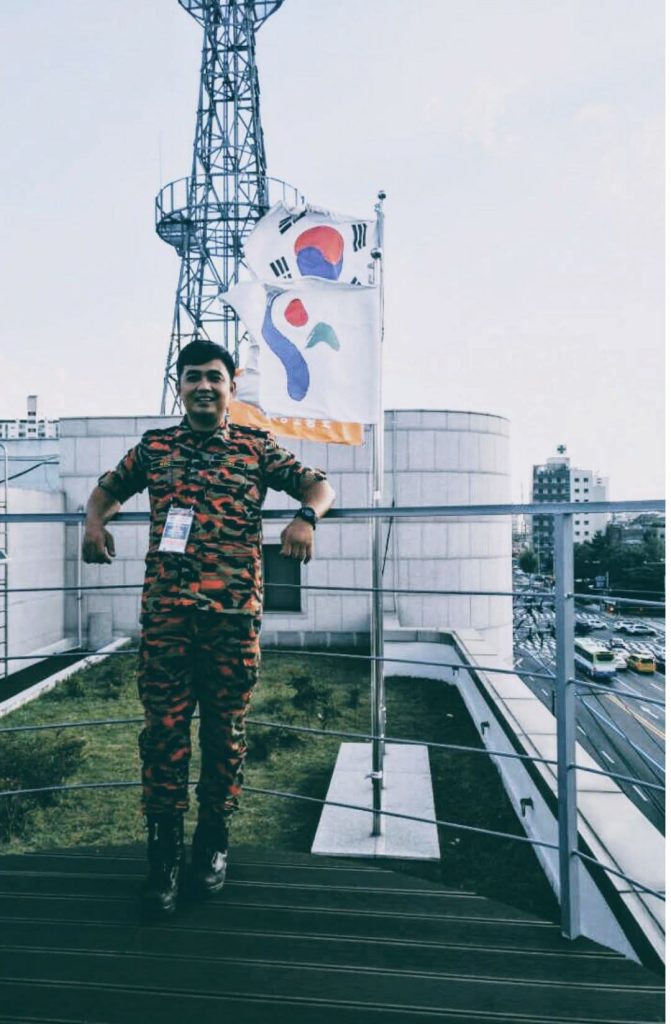
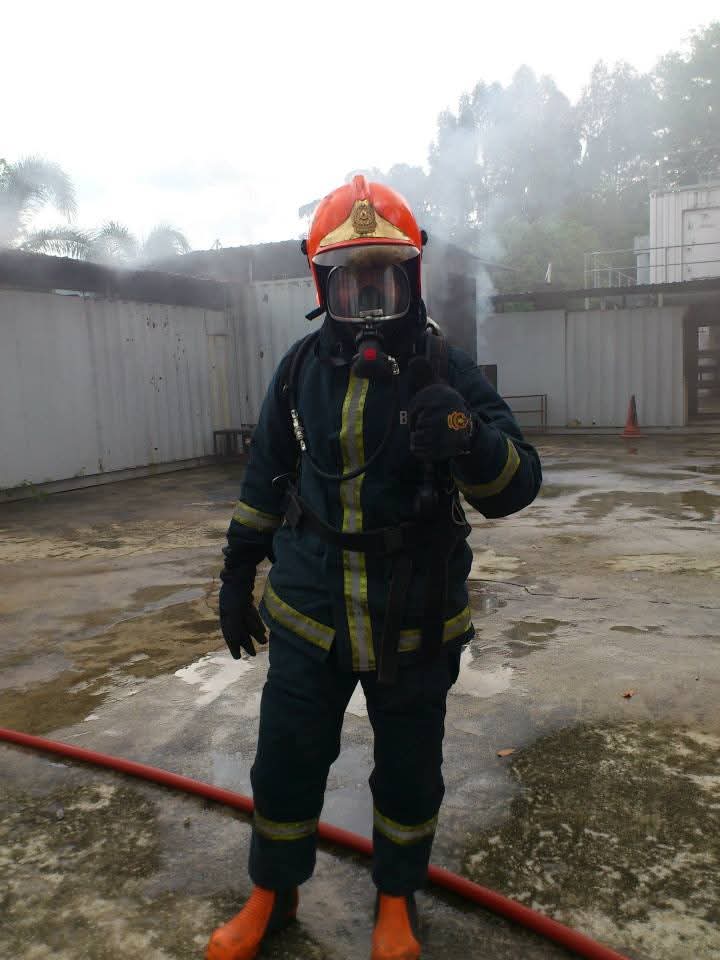
Firefighter Muhammad Luqmanul Hakim represents a younger generation of firefighters who continue to carry similar emotional burdens despite changes in equipment, training and operational procedures.
Having served with the department for the past 10 years, Luqman estimates that he has attended to more than 500 emergency calls, each one different from the last.
His decision to become a firefighter was driven not by the excitement associated with the profession but by a deep desire to become one of the first people able to offer help whenever others found themselves in danger or facing tragedy.
“For me, wearing this uniform is not just a job. It is a responsibility and an act of service to devote myself to helping the community and the country,” he said.
Among the many emergencies Luqman has attended to, one operation in 2017 while he was posted in Johor continues to return to his thoughts.
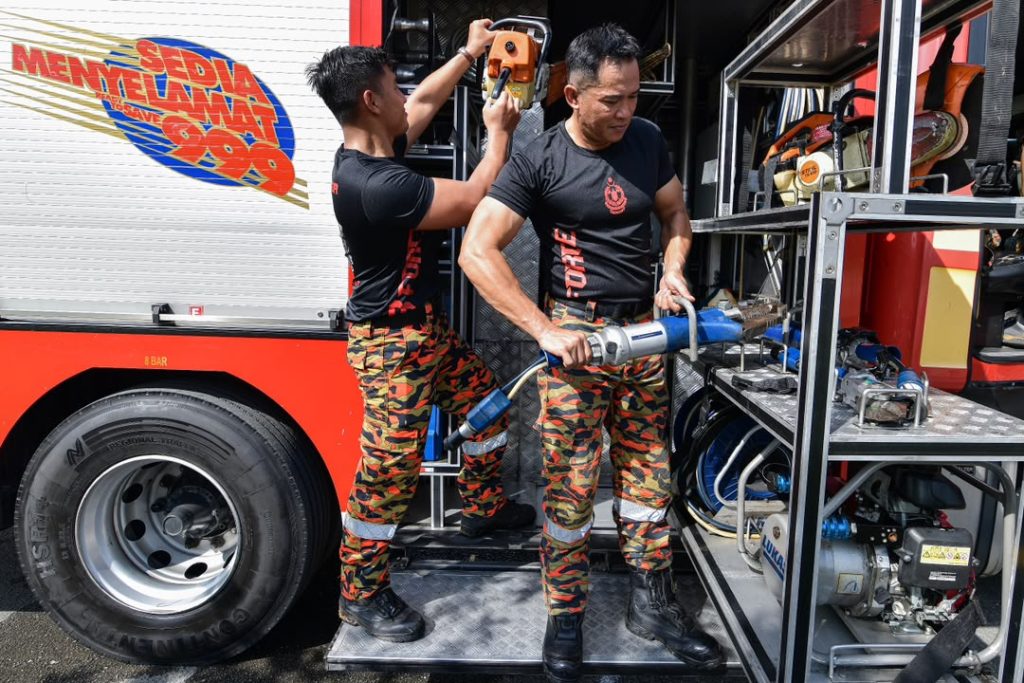
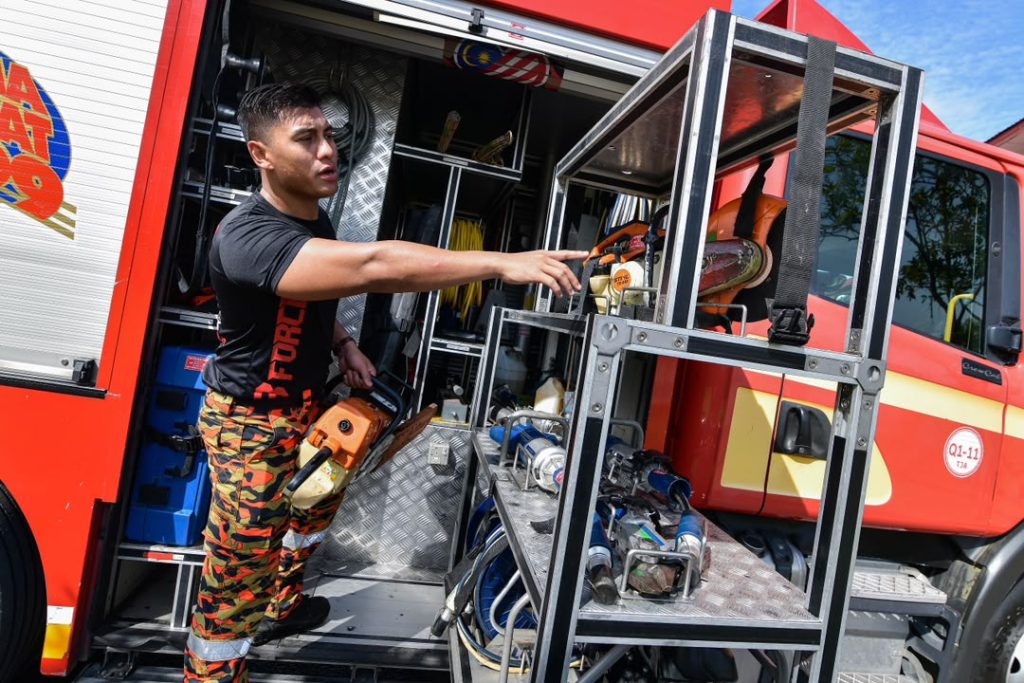
His team had responded to a report from members of the public regarding the discovery of a body along a riverbank.
After arriving at the scene, they were instructed to put on life jackets before carefully making their way down the embankment to retrieve the victim, who was believed to have been in the water for about four days.
As Luqman and his colleagues carried the body back up the riverbank, he noticed a young child crying uncontrollably nearby.
“Only then did we discover that the deceased was the child’s mother. The expression on his face really touched me,” he said.
The operation was completed in the same manner as countless others before it.
The body was handed over to the police for further investigation, reports were completed and the team returned to the station.
Luqman’s shift ended at 8 pm, and believing it had simply been another day in the line of duty, he returned home without thinking that the incident had affected him more deeply than any of the other emergencies.
However, that night he experienced something he still struggles to explain.
While some may see them through the lens of psychology and others through faith or spirituality, Luqman himself said he has never been able to fully explain what happened.
What he knows for certain is that the incident affected him far more deeply than he realised at the time.
While asleep, he was suddenly jolted awake by what he described as the overwhelming sensation of being struck forcefully, prompting him to immediately call out to his housemate.
Receiving no response because his housemate was fast asleep, Luqman admitted he was overcome with fear and goosebumps, leaving him wondering whether the experience was connected to the recovery operation he was involved in earlier that day.
Eventually, he closed his eyes and forced himself back to sleep, convincing himself that everything would be normal the following morning.
“The next day, several colleagues began asking why I looked unusually pale and how come I hardly spoke throughout the day. Those comments initially puzzled me because I didn’t think I was acting unusual or different from any other day,” he said.
By the third day, his demeanour had become noticeable enough that the station’s Operations Officer called him into the office and asked a question that Luqman said has remained with him ever since.
“You look pale, and you haven’t been talking to anyone. Is something bothering you?”
The question prompted Luqman to recount both the river recovery operation and the unusual experience that followed that night.
He said the greatest surprise was not the unexplained experience itself but the realisation that while he believed he had carried on with life as usual, those around him had already recognised that something had changed.
“I thought I was fine because I continued working as usual. I never realised anything was wrong but the people around me could see that I was carrying something I couldn’t even recognise myself,” he said.
The Operations Officer, whom Luqman describes as someone with far more years of operational experience, listened patiently before offering advice that has remained one of the most valuable lessons of his career.
Besides encouraging him to seek appropriate medical or alternative treatment if necessary, he reminded Luqman that firefighters, despite the nature of their work, were ordinary human beings who were not immune to fear, sadness or the emotional effects of repeatedly dealing with death.
“The senior officer also reminded me to always begin every operation involving fatalities with prayer, to treat every deceased person with dignity and respect, and to seek God’s protection before entering situations that could be emotionally and spiritually challenging,” he said.
Looking back today, Luqman said he still occasionally reflected on the incident, wondering whether what he experienced that night was the result of emotional exhaustion, psychological stress or something beyond explanation.
Following the incident, he decided to take leave and return to his hometown in Kuching, believing that spending time with his family would help him regain his emotional footing.
Surrounded by his parents and loved ones, openly sharing what had happened and receiving their advice, encouragement and prayers gradually restored the confidence and peace of mind he felt he had lost after the operation.
While Luqman’s experience illustrated how the emotional effects of an emergency were not always immediately recognised, Head of Fire Investigation for Samarahan Zone Mirza Dzalmira Miraj believes every firefighter, regardless of rank, years of service or the number of emergencies attended, eventually encounters one incident that quietly becomes impossible to leave behind.
Over the course of 15 years with the department, he has served in various capacities ranging from emergency response and fire investigation to public safety, public relations and leadership, attending to hundreds of emergency incidents involving structural fires, road traffic accidents, flood rescues and numerous other operations.
Like many of those before him, his decision to become a firefighter was never driven by the thrill often associated with emergency response, but by a simple desire to serve the community, protect lives and make a meaningful difference during some of the most difficult moments people would ever experience.
“That commitment has since placed me in situations where joy and relief coexist with grief and tragedy, reminding me that behind every emergency call is a family whose lives may never be the same again,” he said.
Like Khirudin, Mirza also found himself deeply affected by the Tabuan house fire in 2013 that claimed the lives of three young siblings.
Although more than a decade has passed, he said the tragedy continued to occupy a place in his memory, not simply because of the lives that were lost, but because witnessing the family’s grief reinforced how every emergency extended far beyond the victims themselves.
“Almost all operations I have attended to affect me because every victim is someone’s family member. Seeing the grief of loved ones leaves a lasting impression,” he said.
For Mirza, the tragedy was not defined solely by the fire itself, but by the heartbreak that followed, watching family members trying to come to terms with an unimaginable loss and realising that, within a matter of minutes, an ordinary day had turned into a tragedy that would forever alter their lives.
He said incidents involving children continued to affect him more deeply than most because they served as painful reminders of how precious and fragile life could be.
“As both a husband and a father, there are moments during emergency operations when the line separating professional duty from personal reflection becomes impossible to ignore. There are incidents that naturally make me think about my own family and how important it is to cherish every moment with them,” he said.
Despite those emotions, Mirza said firefighters could not allow themselves to become overwhelmed while an operation was still underway.
Every emergency demands complete focus, clear judgement and professionalism, regardless of the emotional weight of the situation unfolding before them.
Only after the victims have been rescued or recovered, the equipment packed away and the operation officially concluded do those emotions begin to surface.
“I often feel physically and emotionally drained, but at the same time I am always grateful that we have completed our operations safely,” he said.
Even then, Mirza acknowledged there was no fixed timeline for recovery with some incidents gradually becoming easier to accept after a few days while others continued resurfacing years later without warning.
He said the house fire involving the three siblings belonged firmly in the latter category.
Although more than a decade had passed, he admitted certain sights, sounds or even news reports were still capable of transporting him back to emergency scenes he thought time had already helped him leave behind.
Rather than carrying those experiences in silence, Mirza said he had learned the importance of sharing them with the people who understood him best.
“Whether through conversations with my wife or fellow firefighters who have stood beside me at countless emergency scenes, talking openly about difficult incidents has become one of the ways I process the emotional burden that naturally accompanies the profession,” he said.
Looking back on 15 years in uniform, Mirza believes firefighting has shaped him in ways that extend far beyond the technical knowledge and operational skills required of the job.
Instead, it has changed the way he views life itself.
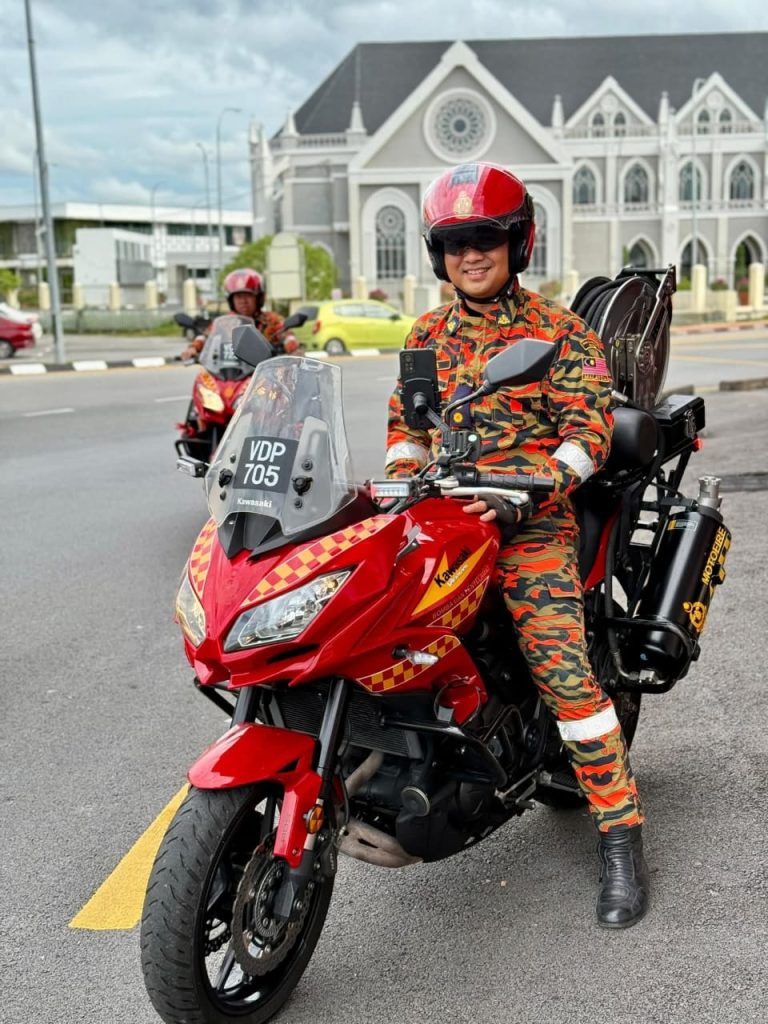
“It has made me more resilient, more appreciative of life and more compassionate towards others. It has also strengthened my commitment to serving the community,” he said.
More importantly, Mirza hopes the public understands that beneath every fire-resistant suit, helmet and breathing apparatus is an ordinary person who experiences grief, sadness and loss just like everyone else.
“I hope the public understands that firefighters are trained professionals but we are also human. Behind every emergency response are people who experience loss, sadness and emotional challenges.
“Even so, we continue to serve because protecting lives and communities is both our responsibility and our calling,” he said.
Although separated by age, rank and years of service, all four firefighters arrived at the same conclusion: while emergency operations eventually come to an end, some memories never truly do.
Instead, they quietly accompany firefighters throughout their careers, shaping not only the way they perform their duties, but also the way they cherish their own families, value each ordinary day and answer the next call for help.