IN the quiet stretches of rural Sarawak, where travel to the nearest town can take nearly an hour and internet coverage often flickers, two young teachers continue to show up every day with lesson plans, patience, and a quiet determination that rarely makes headlines.
Their classrooms may lack advanced facilities, but what they consistently offer is something far harder to measure—stability, belief, and the steady rebuilding of foundational learning for children who often begin school without strong literacy or numeracy skills.
In these environments, teaching is not just a profession; it is a daily exercise in adaptability, sacrifice, and persistence that shapes both educator and student in equal measure.

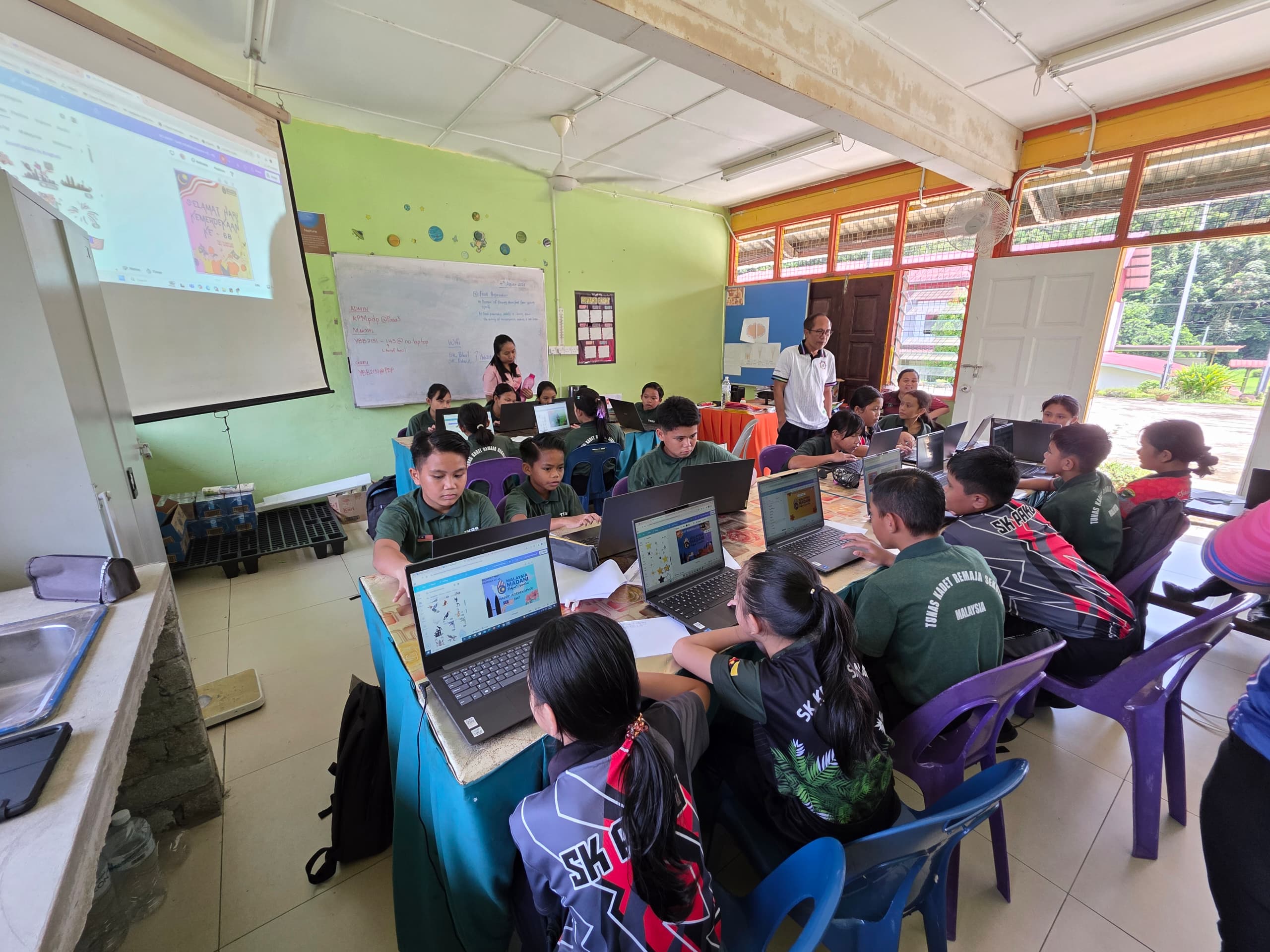
For Awang Muhammad Syahmi Awang Hassanal, a 27-year-old teacher at Sekolah Kebangsaan Paku, Sri Aman, the challenges begin long before the first school bell rings.
Living and working in a rural setting means even basic necessities require careful planning.
A simple trip to buy groceries or household items demands forethought, as the nearest town is a considerable distance away. Rather than making frequent trips, he prepares in advance, stocking up on essentials to reduce the strain of travel. While this routine has become manageable over time, unexpected needs still remind him of the limitations that come with rural life.
Yet, what stands out most in his journey is not the inconvenience, but the progress he witnesses in his students. Many of them, coming from communities near the Indonesia border, initially struggle with the 3Rs—reading, writing, and arithmetic.
In their early days at school, these foundational skills are still developing, requiring patient, repetitive guidance. Over time, however, steady improvement begins to show.
“After more than a year here, most of the students are now able to master these 3Rs, although they still need guidance. The results of our hard work are clearly visible, which makes all the sacrifices worthwhile,” he said to Sarawak Tribune.
His perspective on teaching has also been shaped by the realities of limited resources.
At times, schools may lack sufficient equipment, including basic sports or learning materials.
“This profession requires many sacrifices. For example, when the school lacks resources such as equipment or sports items, we often have to help provide them ourselves. The local community, also known as the PIBG (Parent-Teacher Association), is very supportive, and parents are not hesitant to help the school when assistance is needed,” he said.
To keep students engaged, especially in environments where exposure to technology is limited, he incorporates a mix of teaching strategies, including digital tools such as AI when possible.
While technology is not always accessible, the intention is to make lessons more interactive and stimulating, bridging the gap between rural classrooms and modern learning methods.
For him, innovation in teaching is not defined by expensive tools, but by creativity in adapting to available resources.

A similar sense of resilience echoes in the experience of Nurul Aina Arni, a 27-year-old teacher at Sekolah Menengah Kebangsaan Pusa, Betong.
Her biggest challenge lies in unstable internet connectivity, which limits her ability to fully implement digital-based learning activities.
In today’s education landscape, where online platforms and digital resources are increasingly central, this limitation can be significant. However, rather than relying solely on technology, she adapts by using alternative teaching aids that ensure students can still engage effectively with lessons.
Her approach to teaching is deeply grounded in consistency and personal attention.
One of her most memorable experiences involves a student who initially struggled with reading fluency, only able to recognise short syllables. Through daily practice, guided reading sessions, and additional materials provided both in class and at home, gradual improvement became visible.
“I once had a student who was not fluent in reading and could only read short syllables. Almost every day, I provided reading materials for him to read in class and at home.
“I can see improvement in the student, although he still reads slowly, he is much better than before. So I feel it is worthwhile. The extra time, energy, and even printer ink used are nothing compared to the student’s progress,” Aina shared, adding that it is in these small but significant milestones that she finds affirmation of her role.
Beyond academic progress, Aina also notes how rural life has deepened her appreciation of both her profession and the surrounding community.
Despite limited resources, parents and local residents consistently show respect for education and a willingness to support school initiatives. This cooperation strengthens the learning environment and reinforces the idea that schools in rural areas are not isolated institutions, but part of a wider community effort.
To maintain student engagement, she frequently uses educational games, interactive quizzes, group work, and visual slides.
These methods help create a more dynamic classroom experience, encouraging participation even when digital tools are limited.
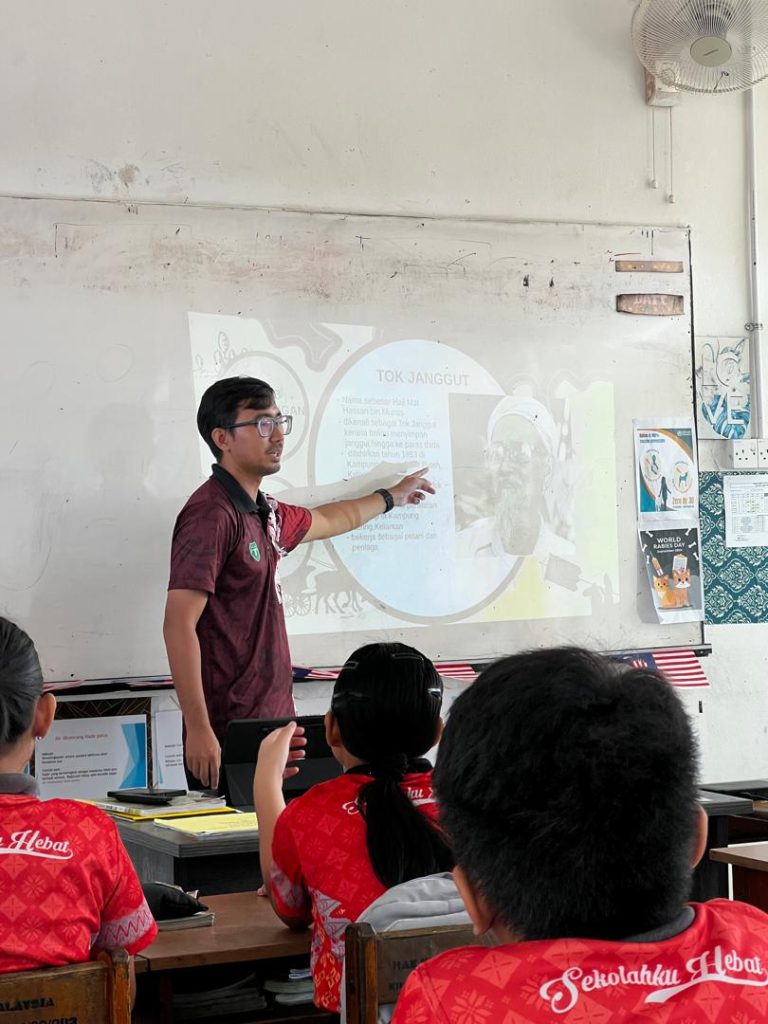
In her view, motivation is built not through technology alone, but through meaningful interaction and varied teaching strategies that cater to different learning styles.
“I hope that rural education in Sarawak will continue to be strengthened with better facilities, stable internet access, and equal educational opportunities so that children in rural areas can achieve their dreams,” she said.
Both teachers share a common vision for the future of rural education in Sarawak. They hope for improved infrastructure, including better road access to schools and more stable internet connectivity.
They also call for greater emphasis from education authorities to ensure rural students receive equal opportunities to learn, grow, and compete with their urban counterparts.
For them, equity in education is not about providing identical resources everywhere, but about ensuring that no child is disadvantaged simply because of geography.
As the education system continues to evolve, their stories reflect a quieter reality behind the profession—one that often goes unnoticed outside rural districts.
In many ways, their experiences echo the spirit celebrated during Teacher’s Day: dedication that extends beyond textbooks, patience that endures through limitations, and a commitment to shaping futures regardless of circumstance.
But for these young educators, such recognition is not tied to a single date on the calendar. It is lived daily, in every struggling reader who learns a new word, in every student who finally grasps a basic equation, and in every classroom that continues to function despite the odds.