SIBU: When Yiing Chung Ming first began selling squids at the age of 15, a kati of smoked squids cost less than RM2 and the seafood was so unpopular that many people bought it to feed swine.
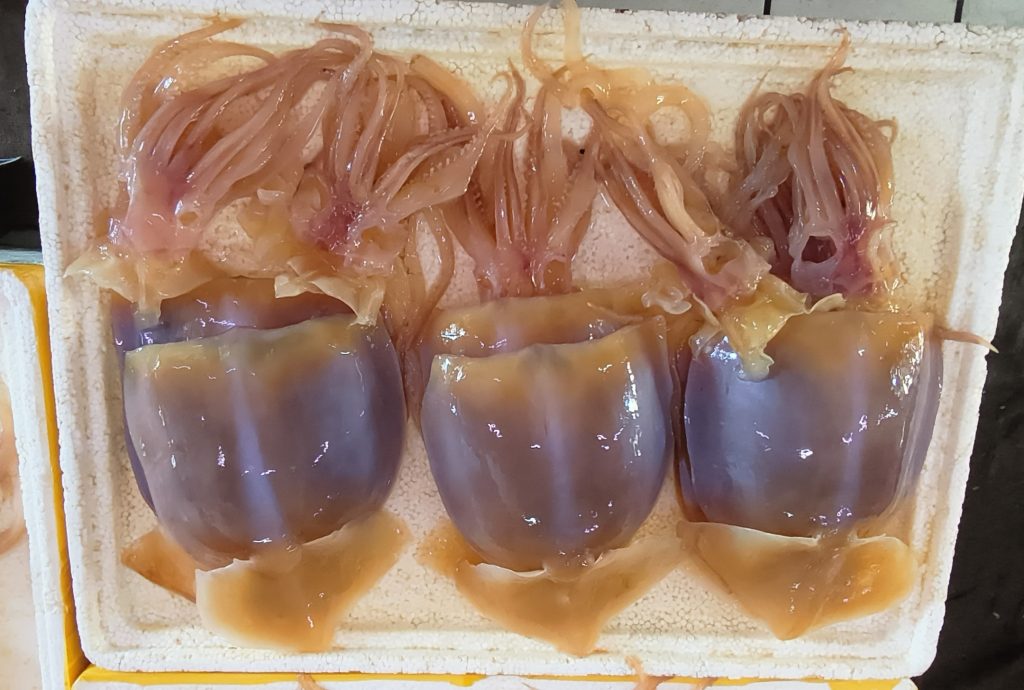
Today, more than half a century later, smoked squids sell for more than RM100 per kilogramme while fresh squids fetch about RM30 per kilogramme, illustrating just how dramatically prices and consumer preferences have changed over the decades.
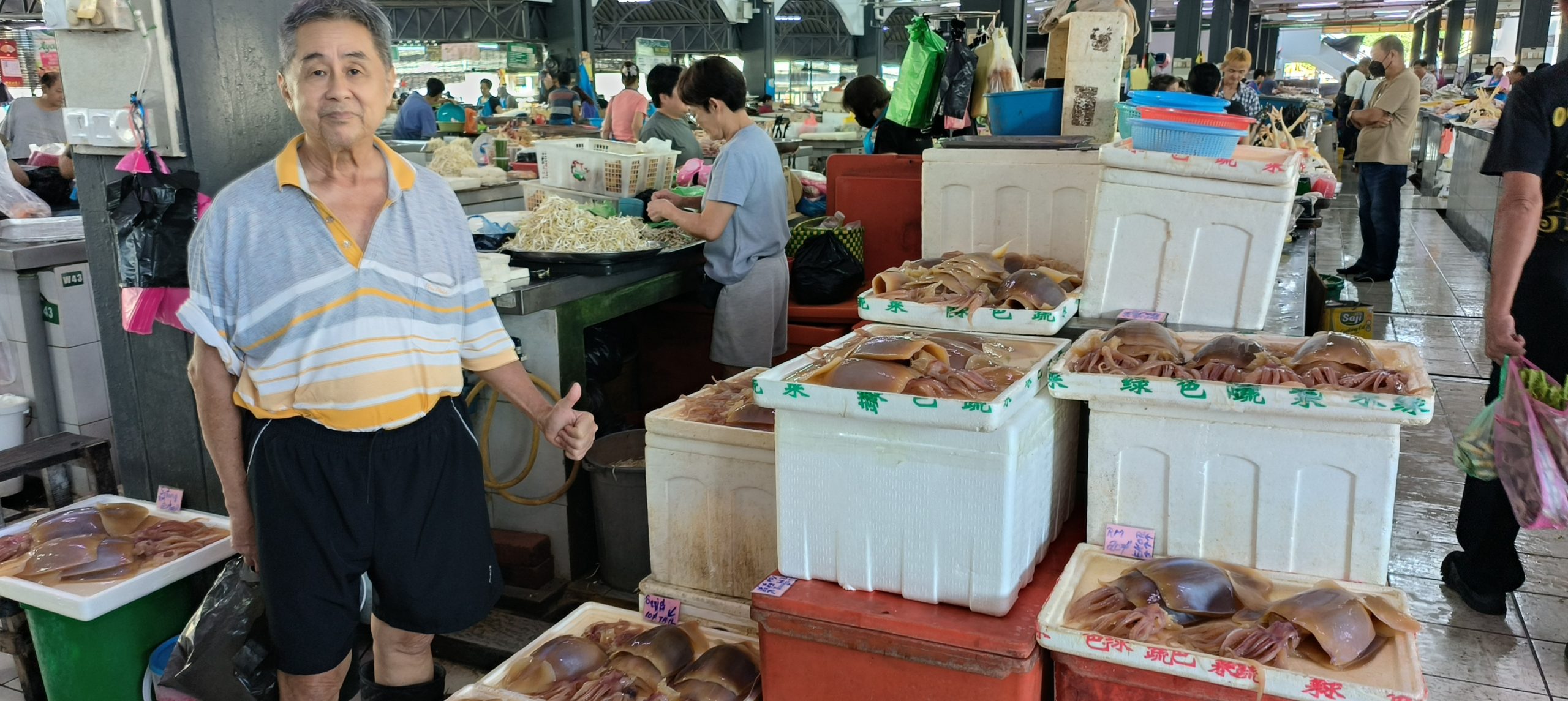
Now 65, Yiing who is also the Sibu Central Market Hawker Association’s executive adviser, has witnessed the remarkable transformation of squids from a little-appreciated commodity into a popular delicacy.
“I started selling squids when I was 15 by helping my mother at our stall. My father passed away when I was just four years old, so my mother had to raise us on her own. As the eldest child in the family, I had to help her earn a living,” he told Sarawak Tribune.
About 40 years ago, Yiing officially took over the family business, which had since become synonymous with squids at the Sibu Central Market.
He is believed to be the only trader in Sibu specialising exclusively in squids.
All the squids sold at his stall are imported from Peru in South America, ensuring a steady supply for his customers.
Reflecting on the industry’s evolution, Yiing said squids were once regarded as inexpensive seafood that attracted little interest from consumers.
“Back then, squids were not among the popular seafood. Many people even bought them to feed pigs. Now, they have become a favourite dish served in homes and restaurants,” he said.
Despite the significant rise in prices, demand has remained strong.
Yiing said restaurants were among his regular customers although individual buyers made up the largest proportion of his clientele.
Running the business on his own, he said he remained grateful that the trade continued to provide him with a comfortable livelihood.
“Business is not bad. It is good enough for me to make a living,” he said.
However, none of his three children intends to continue the family business.
“They have their own careers. One is a teacher, another is an architect and the youngest is a doctor,” he said with a smile.
Although age is catching up with him, Yiing has yet to decide when he will retire.
“My wife has advised me to retire but I feel I can still carry on,” he said.
However, to ensure the business continues after he steps down, Yiing has been grooming one of his cousins to eventually take over the stall.
Work has become such an integral part of his life that he finds it difficult to stay away for long.
“I am at my stall almost every day. I only take time off about three times a year when my family goes on holiday. Even then, after a few days, I start thinking about coming back to work,” he said.
Having spent most of his life selling squids, Yiing is also quick to dispel one of the most common misconceptions surrounding the seafood.
“Yes, I do eat squids from time to time. Many people avoid squids because they think they will raise their cholesterol levels. That is not entirely true. Squids also contain good cholesterol but like any food, it should be eaten in moderation,” he advised.
For Yiing, the business has never been just about selling seafood. It is a lifelong commitment forged through hardship, family responsibility and perseverance – one that has seen him weather changing times while remaining dedicated to the trade that has sustained his family for generations.