KUCHING: The Gabungan Parti Sarawak (GPS) convention here on Sunday was, for all intents and purposes, a carefully choreographed display of political strength, blending policy messaging with election undertones.
Drawing about 5,100 delegates from across the state, the gathering reflected both organisational depth and a buoyant, almost campaign-like mood from the outset.
Delegates arrived as early as 7:00 am, filling the conference venue with party colours, all in white, exhibition booths, and a sense of anticipation that carried through the day.
The atmosphere was described as “spirited” and unified, with applause greeting symbolic moments such as the multilingual prayer that underscored Sarawak’s diversity and cohesion.
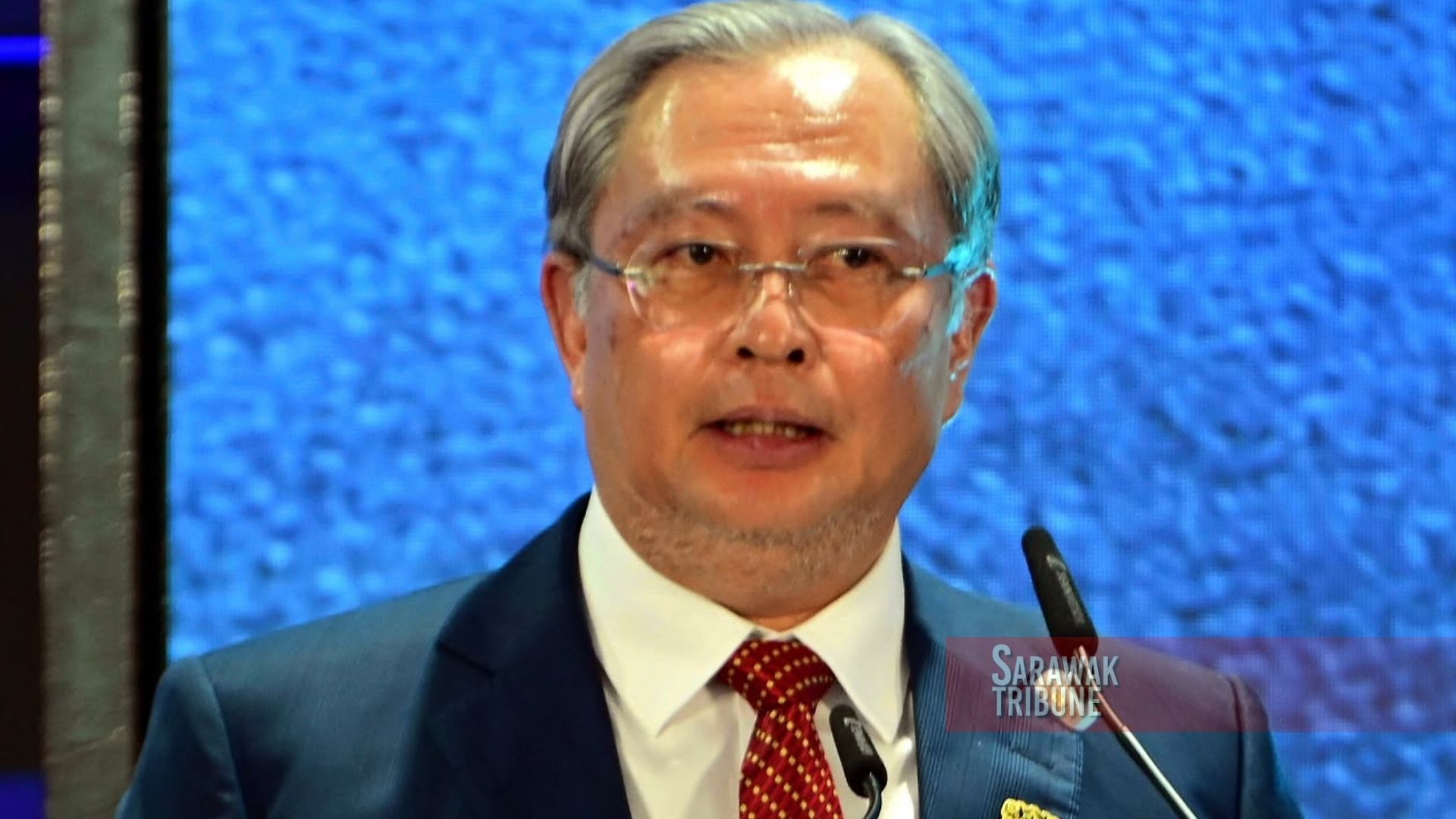
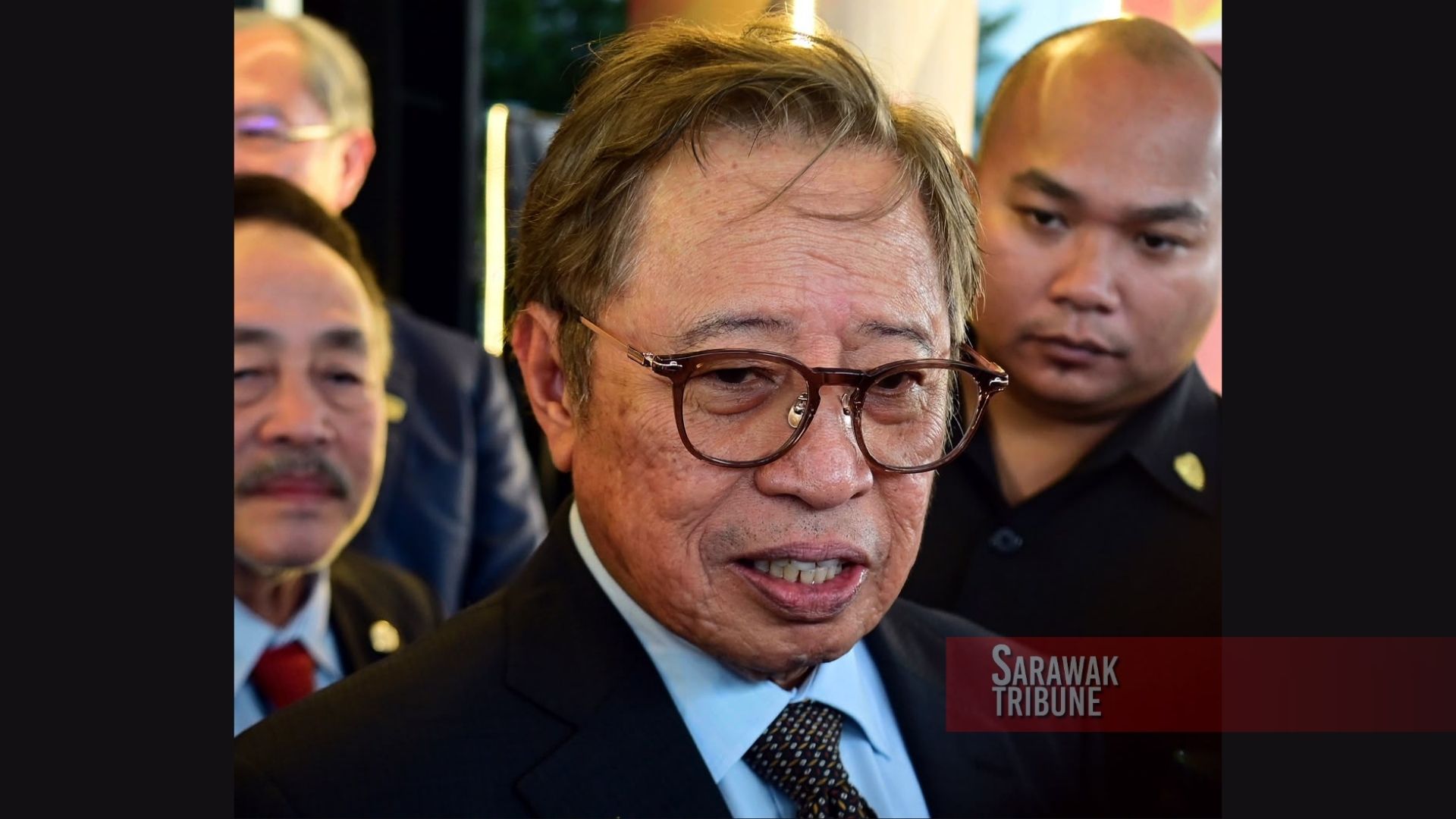
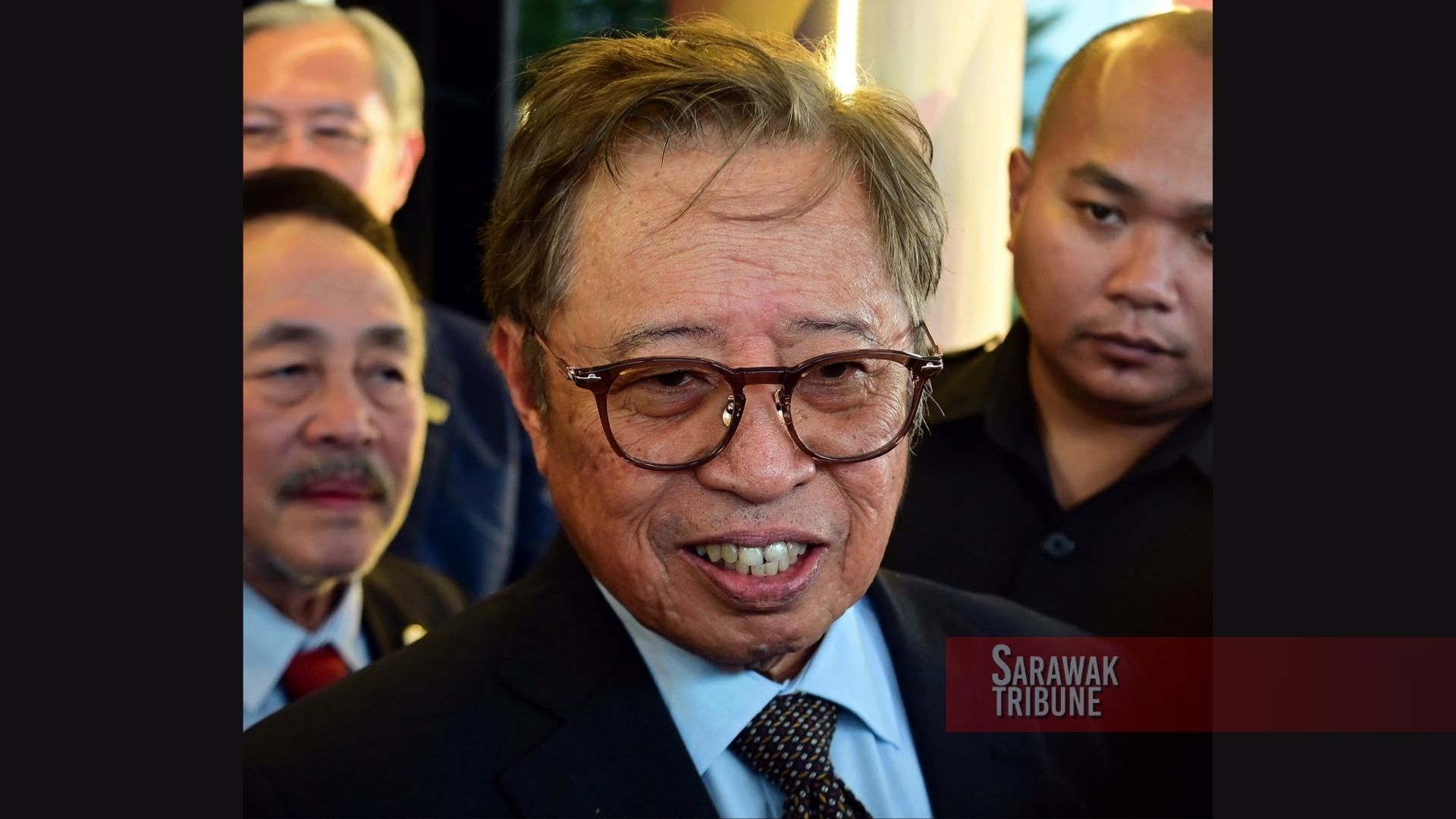
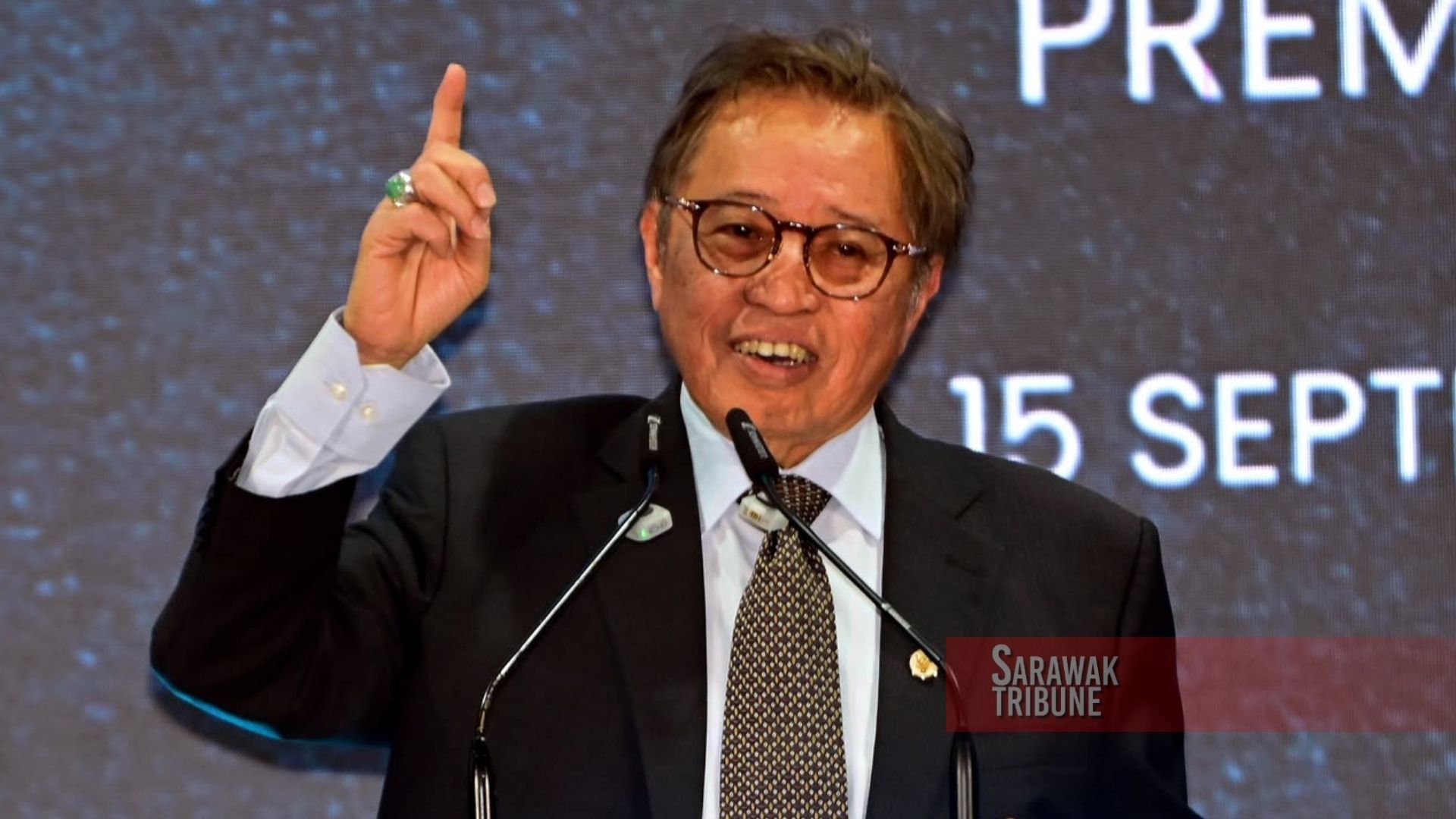
In his keynote address, Premier Datuk Patinggi Tan Sri Abang Johari Tun Openg positioned GPS as a performance-driven coalition, reiterating that the state government’s development agenda under the Post COVID-19 Development Strategy 2030 (PCDS 2030) would form the central narrative going into the next election.
He has previously stressed that voters should “rate us” based on delivery, signalling confidence in GPS’ track record.
Organising chairman, Datuk Amar Douglas Uggah Embas, set the tone early, rallying delegates with a call for unwavering unity.
“All of us in GPS throughout Sarawak remain firmly united and will not retreat even a single step,” he said, invoking the coalition’s fighting spirit.
He credited the Premier’s leadership for propelling Sarawak beyond planning into tangible implementation, adding that the state was now “turning its vision into reality”.
Component party leaders reinforced this message while subtly acknowledging electoral pressures.
Parti Rakyat Sarawak (PRS) President, Datuk Seri John Sikie Tayai, highlighted the importance of grassroots cohesion, stressing that unity within GPS would be critical to securing a renewed mandate.
Progressive Democratic Party (PDP) President, Datuk Seri Tiong King Sing, focused on economic delivery and federal-state engagement, framing GPS as a stable partner capable of safeguarding Sarawak’s interests while ensuring continued development funding – a key election talking point.
Sarawak United Peoples’ Party (SUPP) President, Datuk Amar Dr Sim Kui Hian, meanwhile, emphasised inclusivity and long-term planning, arguing that GPS’ multiracial composition remained its greatest strength in a politically diverse state.
Taken together, the speeches formed a consistent narrative: unity, delivery and autonomy.
The convention repeatedly returned to themes of Sarawak rights under the Malaysia Agreement 1963 (MA63) and the successes of PCDS 2030 – both expected to dominate campaign messaging.
Politically, the event functioned as more than a policy platform. It was, in effect, a pre-election mobilisation exercise, energising party machinery and signalling readiness to contest and defend all seats.
The strong turnout and disciplined programme reinforced perceptions of a coalition entering the electoral cycle from a position of strength.
As the convention closed with the Premier’s winding-up speech, the message was clear – GPS intends to frame the coming state election as a referendum on its governance record, betting that unity and development delivery will once again resonate with Sarawak voters.