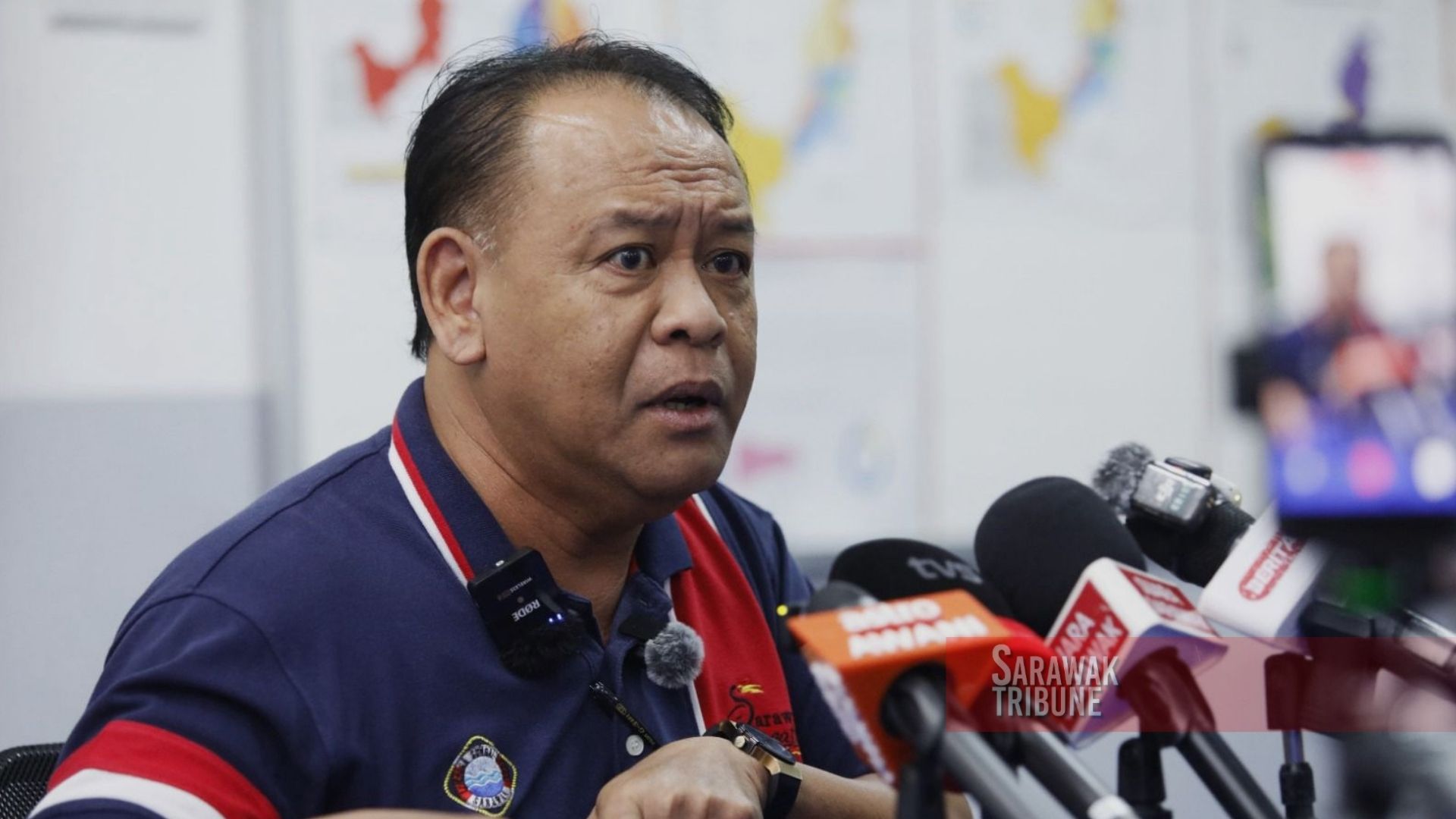
BAU: Democratic Action Party’s (DAP) plan to contest eight seats in the coming state election has prompted Datuk Henry Harry Jinep to question what the party can deliver for rural constituencies such as Bau, where development needs often require substantial funding.
The Tasik Biru assemblyman said rural communities were looking for meaningful improvements to roads, education and healthcare, rather than smaller allocations that would have limited impact on their long-term needs.
“What can DAP actually deliver for the people here? That is the question.
“People want better roads, a better education system and better healthcare. These are the things that matter to them,” he told reporters during a press conference here today (Aug 25).
The Deputy Minister of Transport (Riverine and Maritime) also referred to Mas Gading MP Mordi Bimol, in questioning DAP’s track record in the area.
“There is already a deputy minister representing this area, so what has been done?” he asked.
Henry then pointed to the Selampit bridge as an example of the scale of infrastructure investment required in rural areas.
He said RM17 million had been approved for the bridge under the previous Barisan Nasional administration, but the allocation only covered the bridge itself and not the access road.
“The bridge may be there, but there is no funding for the access road. How can you have a bridge without a road?
“You would need another RM60 million to RM70 million just to build the access road,” he said.
Henry said the situation reflected why rural development could not simply be addressed through smaller allocations, particularly when major infrastructure projects required investments running into millions of ringgit.
“The people want development that can make a real difference to their lives,” he said.
Healthcare was another area requiring attention, with Henry pointing to Bau Hospital, which he said had been operating for more than 30 years.
He said the hospital needed a new building, better equipment and improved supporting facilities to meet the needs of the growing community.
He also highlighted inadequate parking at the hospital and the condition of rural schools as among the development needs that still had to be addressed.
“Sometimes there are not enough chairs and even some basic equipment is unavailable. I have had to use my Minor Rural Project (MRP) allocation to help provide equipment,” he said.
For rural communities, Henry said the priority was ultimately not about receiving small allocations but securing substantial development that could improve essential services and quality of life.