KUCHING: A mechanism to address problematic stretches of the Pan Borneo Highway in Sarawak is currently being finalised by the federal government, with improvement works for the identified “redline” sections estimated to cost about RM900 million.
Works Minister, Datuk Seri Alexander Nanta Linggi, said a decision had recently been made to enable work on the affected sections to commence in the near future.
He said the redline stretches, which have been the subject of public concern, cover a total distance of 136 kilometres along the highway.
“Recently, it was decided that there should be a mechanism for us to begin work to address the redline issue.
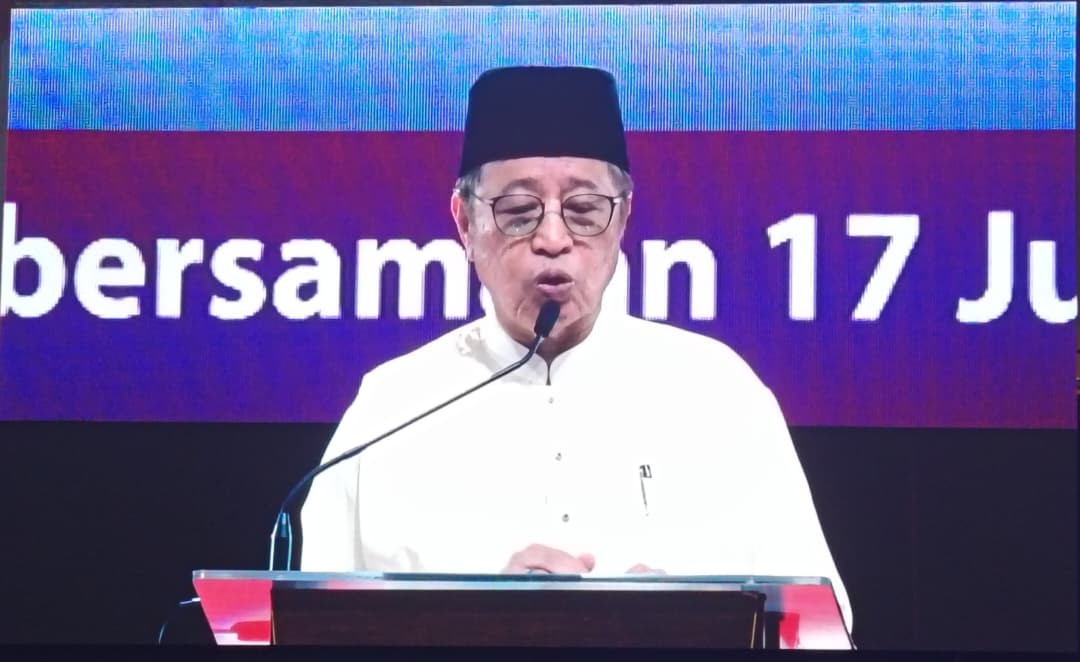
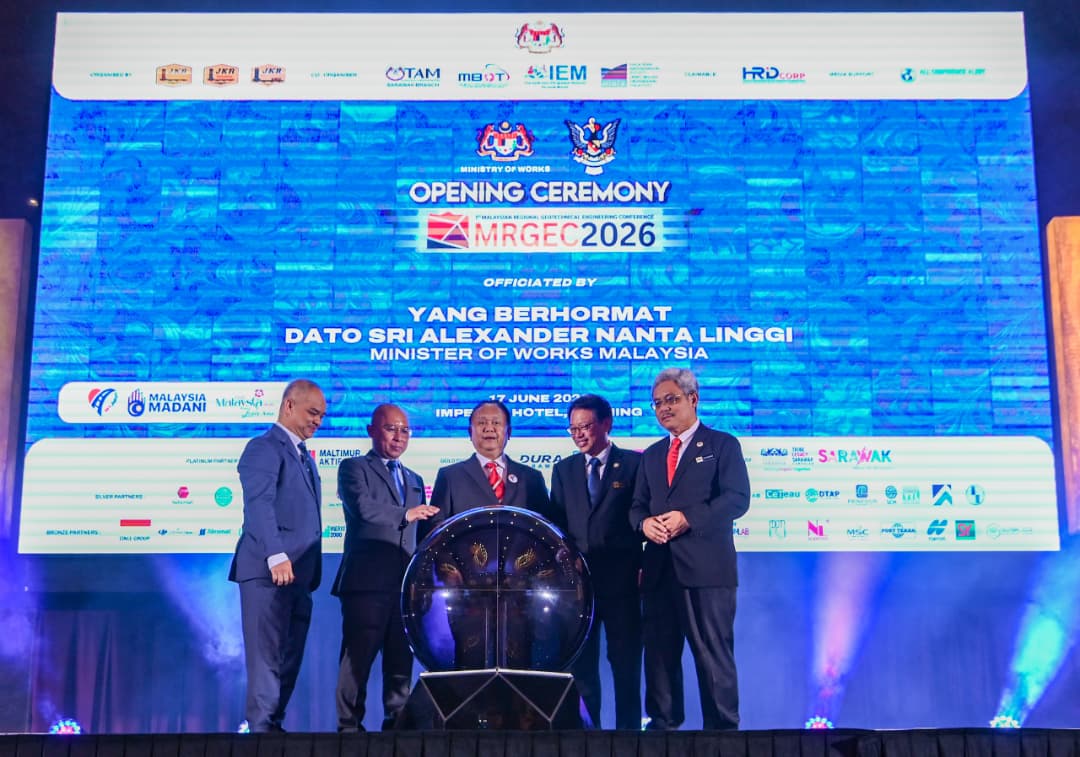
“The total length involved is 136 kilometres,” he said at a press conference after officiating at the First Malaysian Regional Geotechnical Engineering Conference 2026 (MRGEC2026) at the Imperial Hotel here today (June 17).
According to him, the government plans to appoint maintenance concessionaires while also exploring alternative funding mechanisms to facilitate the implementation of the works.
He said conventional funding arrangements may not be sufficient given the scale of the project.
“The entire redline improvement project would cost about RM900 million if implemented at one go.
“Therefore, we need a different financing approach and are looking at infrastructure-related funding mechanisms,” he said.
Nanta assured the public that the matter was receiving attention and that appointments of the relevant companies would be made once the process is finalised.
“Don’t worry. We expect to make a decision in the near future and appoint the companies involved,” he added.
On the progress of the Pan Borneo Highway project in Sabah, Nanta said implementation was proceeding smoothly despite facing greater challenges than in Sarawak.
He noted that Sabah’s Pan Borneo project is considerably more complex, comprising 35 work packages under Phase 1A and Phase 1B, compared to Sarawak’s 11 packages.
“In Sarawak, the highway is almost completed, with only a small section in Lambir pending due to water pipe relocation works. Sabah is more challenging because there are 35 packages to manage,” he said.
He said land acquisition and utility relocation issues were among the main challenges faced in Sabah, adding that the state’s mountainous terrain also contributed to implementation difficulties.
For Phase 1A, which consists of 15 packages, Nanta said 10 packages are expected to be completed this year while several others have already been finished.
“Meanwhile, works under Phase 1B, which comprises 19 packages, are still in the early stages following the issuance of site possession in October 2024.
“Most of the Phase 1B packages are still below 10 per cent progress, with some recording two to five per cent completion because the projects only started recently,” he said.
He added that the targeted completion period for many of the Phase 1B packages is between 2028 and 2029.
“Challenges in Sabah are greater because the route passes through extensive highland and mountainous areas,” he said.