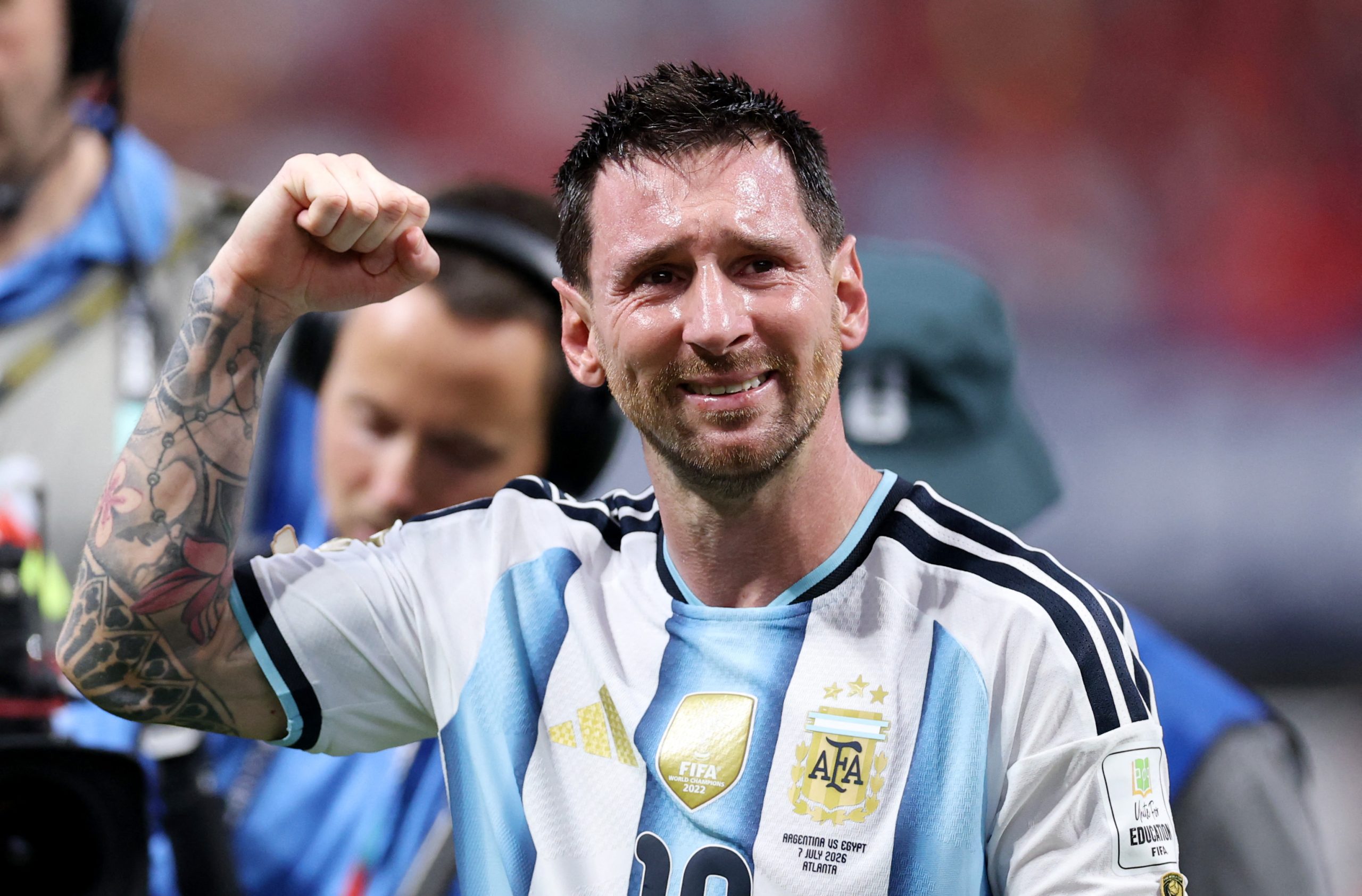
KUCHING: Lionel Messi has closed the chapter that came to define the second half of his career – walking away from Argentina after finally giving his country everything he had spent years chasing.
The 39-year-old announced his retirement from international football on Monday (Aug 31), bringing an end to a 20-year journey with the Albiceleste.
Messi confirmed his decision through a statement on Instagram, saying he had taken time to reflect following his final appearance for Argentina.
“After all this time since the final match, and after long reflection, I want to announce to everyone that I have decided to retire from playing with the national team,” he said.
The decision ends one of football’s most storied international careers – one that for years was shaped as much by what Messi had not won with Argentina as what he had achieved at club level.
That story eventually changed.
After losing major finals and even briefly stepping away from international football in 2016, Messi returned to lead Argentina through a period that transformed his relationship with the national team.
The Copa América breakthrough in 2021 finally delivered his first senior international trophy before the defining moment arrived in Qatar a year later, when Argentina lifted the FIFA World Cup.
Another Copa América followed in 2024, completing a run in which Messi and Argentina went from years of near-misses to dominating the international stage.
But in announcing his departure, Messi made clear that walking away from the shirt remained difficult.
“It was a painful decision and it still hurts me deep down, but I realise that the time has come,” he said.
Messi said he had given everything he could to Argentina – both during the years of triumph and the long period before them.
He also felt the time had arrived for the next generation to take its place.
“I have exhausted everything I have, and I no longer have any more to give, alongside the presence of a group of wonderful young players who deserve to get their chance,” he said.
Messi leaves as Argentina’s record appearance-maker and all-time leading goalscorer, having first represented the senior national team in 2005.
But numbers alone hardly capture a relationship that stretched across more than two decades.
There were defeats that followed him for years, questions over whether he could ever reproduce his club success for his country and, eventually, the sight of Messi lifting the World Cup as Argentina captain.
His final message was reserved for the supporters who had shared both sides of that journey.
“Thank you for all this love over 20 years,” Messi said.
“I will miss hearing your voices from inside the stadium very much, and now I will become one of you, always supporting and backing the national team from the outside, in good times and bad, and especially in the difficult times.”