KUCHING: People who cannot avoid being outdoors during the haze should use a properly fitted N95 respirator where possible, particularly those whose jobs require prolonged exposure to polluted air.
Borneo Medical Centre (BMC) Kuching Consultant Respiratory and Internal Medicine Physician Dr Kho Sze Shyang said workers such as food delivery riders and construction workers were among those at greater risk because of the amount of time they spent outdoors.
“Those who need to work outside for prolonged periods are really at risk as well,” he told Sarawak Tribune.
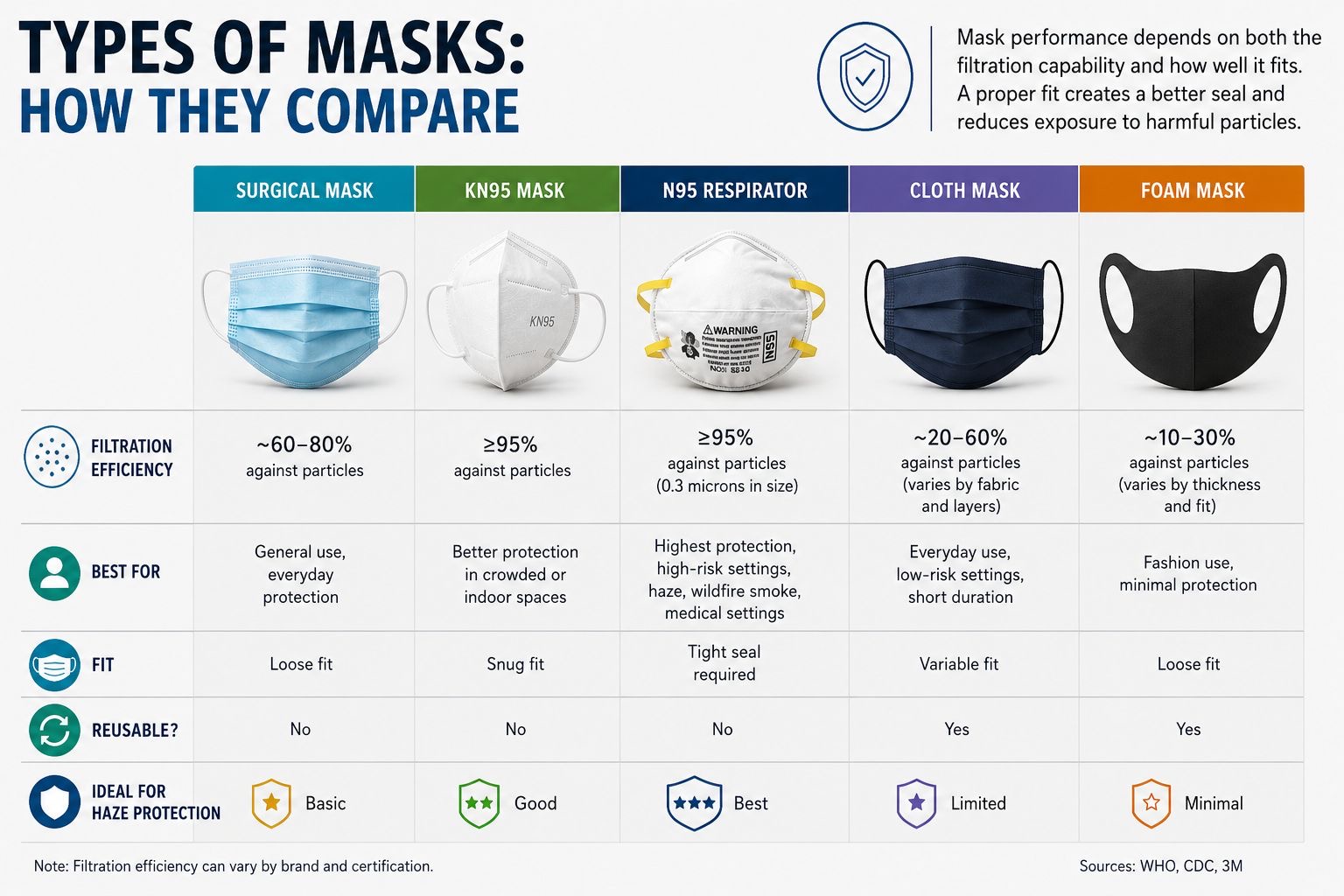
From a medical perspective, Dr Kho said an N95 remained the recommended option for respiratory protection during haze.
“The proven one is N95. Of course, it is very tight, so it might not be comfortable to wear for a long time, but medically, N95 is the recommended one,” he said.
Dr Kho said fit was an important consideration when choosing respiratory protection.
While other types such as KN95 masks were available, he noted that some used ear loops and might not achieve as secure a fit around the face.
“If you don’t have other options and you really have to go out, any mask is better than no mask,” he said.
However, Dr Kho stressed that protecting those whose jobs required them to remain outdoors could not rest solely on the individuals themselves.
He said if air quality deteriorated to a level where authorities advised against outdoor work or activities, such directives should be observed.
“From the medical perspective, what we can advise is proper masking. But protecting outdoor workers also requires measures beyond what an individual can do.
“If it reaches a certain level where the government says you should not work anymore, then I think that has to be followed. But of course, we also have to recognise that people’s livelihoods will be affected,” he said.
Dr Kho acknowledged the difficult position faced by delivery riders, construction workers and others who could not simply avoid outdoor exposure during prolonged haze episodes.
“Reducing exposure wherever possible remained important, particularly as haze contained fine particulate matter capable of penetrating deep into the respiratory system,” he added.