● This second of a four-part series examines Sarawak’s role in the ASEAN Power Grid, from its existing electricity exports and regional connections to the potential for renewable energy to support investment, industrial development and wider economic opportunities.
FOR Sarawak, the ASEAN Power Grid is no longer a distant regional ambition. Electricity is already being exchanged across its borders, while further interconnections are being developed.
With its renewable energy resources, established power infrastructure and strategic location in Borneo, Sarawak is well placed to take on a wider role in the region’s evolving energy system.
As connectivity expands, the opportunity could go beyond exporting electricity to supporting industries, attracting investment and developing energy-related services.
From electricity exports to regional participation
SJ Group Senior Executive Director, Energy, Tan Wooi Leong, said Sarawak had a strong foundation for deeper regional energy integration.
“Sarawak is well placed to contribute to this vision.

“Its combination of established power infrastructure, renewable energy resources and strategic location provides a strong foundation for supporting deeper regional integration,” he said.
He said greater energy integration could allow ASEAN countries to share resources more efficiently, improve system resilience and strengthen long-term energy security.
This is becoming increasingly important as electricity demand across Southeast Asia grows, driven by industrialisation, urbanisation and the shift towards cleaner energy.
Sarawak’s renewable energy resources could enable the state to contribute to meeting this wider regional demand.
The opportunity goes beyond exports
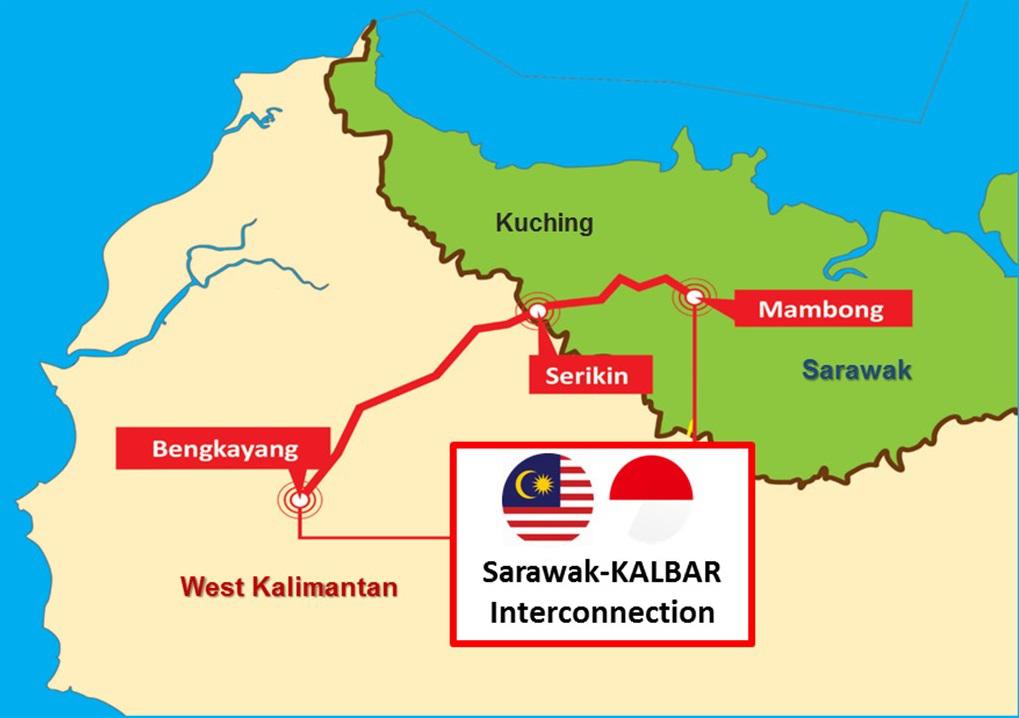
Sarawak currently exports electricity to Sabah and Indonesia, while electricity exports to Brunei are also being pursued.
Tan said greater connectivity could create opportunities extending beyond electricity trading.
“The ASEAN Power Grid has the potential to create benefits that extend beyond electricity trading,” he said.
He said improved connectivity could encourage investment in supporting infrastructure, strengthen economic links between neighbouring markets and create opportunities for new industries.
For Sarawak, participation in a more interconnected regional energy network could therefore support investment attraction and industrial expansion, while strengthening cooperation with neighbouring markets.
Meanwhile, Colin Peh of GoRental said Sarawak had an opportunity to position itself not only as a renewable energy producer, but also as a wider regional energy platform.
“Strong connectivity can improve energy reliability, support cross-border trade and attract businesses that increasingly consider the availability of lower-carbon power when deciding where to invest,” he said.

Clean energy and investment decisions
Tan said reliable, lower-carbon electricity was becoming an increasingly important consideration for industries across Southeast Asia.
“Access to competitively priced clean energy can support industrial growth, attract new investment and help meet rising regional demand for lower carbon energy solutions,” he said.
He said investors were looking for more than incentives. They also wanted certainty, infrastructure readiness, transparent regulatory frameworks and access to skilled workers.
Increasingly, sustainability performance and access to low-carbon energy were also influencing investment decisions.
For Sarawak, this means renewable energy development and regional electricity connections could form part of its wider efforts to attract high-value industries.
Building industries around energy
Peh said the opportunity for Sarawak should also include developing capabilities around the energy sector.
“Regional connectivity can create demand for battery storage, engineering, digital energy management, maintenance, financing and technical talent,” he said.
He said Sarawak should seek to develop these capabilities locally if it wanted to build a broader clean-energy sector.
This would mean the economic benefits of regional electricity connectivity would not be limited to electricity generation and transmission.
They could also create demand for companies and workers involved in operating, maintaining and managing the wider energy system.
Infrastructure alone is not enough
However, regional connectivity cannot depend solely on building transmission lines.
Tan said technical standards, regulations and commercial arrangements also needed to be aligned among participating jurisdictions.
“Regional power connectivity depends on more than transmission infrastructure alone. It requires a coordinated approach that aligns technical standards, regulatory frameworks and commercial arrangements across participating jurisdictions,” he said.
Drawing on SJ Group’s experience with power grid projects in Singapore, Malaysia, Vietnam, the Philippines and Indonesia, he said successful cross-border initiatives were often supported by clear governance structures and consistent long-term policies.
For Sarawak, continued engagement with regional partners on planning, regulation and market development will therefore be as important as the physical infrastructure itself.
A role in shaping the regional system
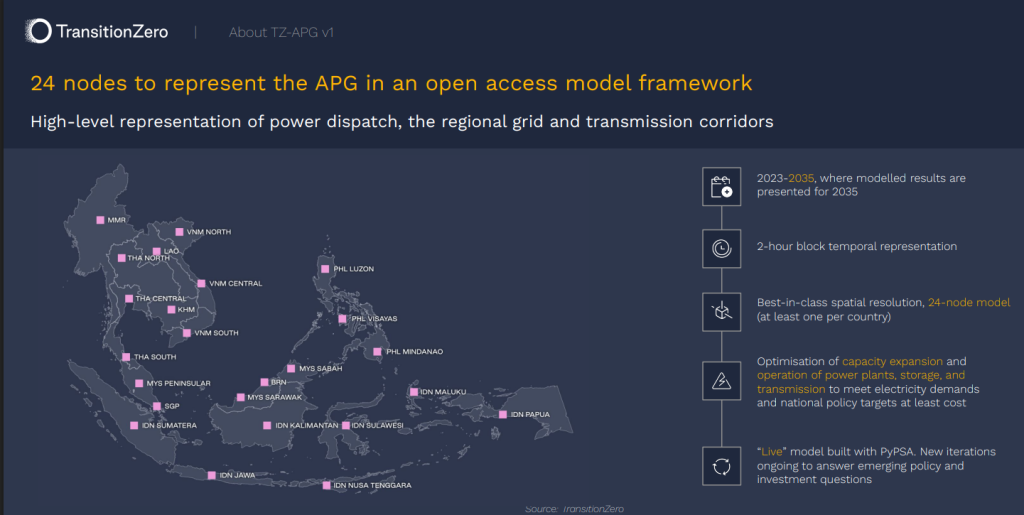
TransitionZero’s Head of Market Development, Ajita Mishra, said Sarawak’s most obvious role in the ASEAN Power Grid was as a hydropower exporter.

However, she said its future role could be broader.
“Tools like Scenario Builder are exactly what let a state move beyond just supplying power to actively shaping how the regional grid is planned,” she said.
She added that states adopting open, shared modelling tools early could contribute to discussions on regional interconnection standards and trading rules.
However, she said Sarawak’s ability to take on a broader role would depend not only on its hydropower resources, but also on its institutional capability.
This includes building transmission capacity ahead of confirmed demand, establishing regulatory frameworks that support multi-country electricity trade and securing power purchase agreements.
The development of Borneo’s power connections therefore gives Sarawak an opportunity to build more than physical links with neighbouring markets.
It also provides a platform to develop the institutional capacity, supporting industries and economic relationships needed to make regional energy integration work.
For Sarawak, the ASEAN Power Grid could ultimately be about more than moving electricity across borders. It could be a means of strengthening the state’s position as a regional clean-energy hub while creating new opportunities for investment, industry and expertise.
● The third part will examine the issue of bankability and what is needed to attract financing for regional energy infrastructure.