KUCHING: The Sarawak Economic Development Corporation (SEDC) has entered into a joint development agreement (JDA) with its Japanese partners ENEOS and Sumitomo Corporation, marking a milestone in the pursuit of clean energy initiatives in the region.
The collaboration – unveiled during the recent signing ceremony held here on Oct 25 – signifies a strategic alliance for the H2ornbill project within the Sarawak H2 Hub framework. This initiative aims to establish a robust and environmentally sustainable clean hydrogen supply chain.
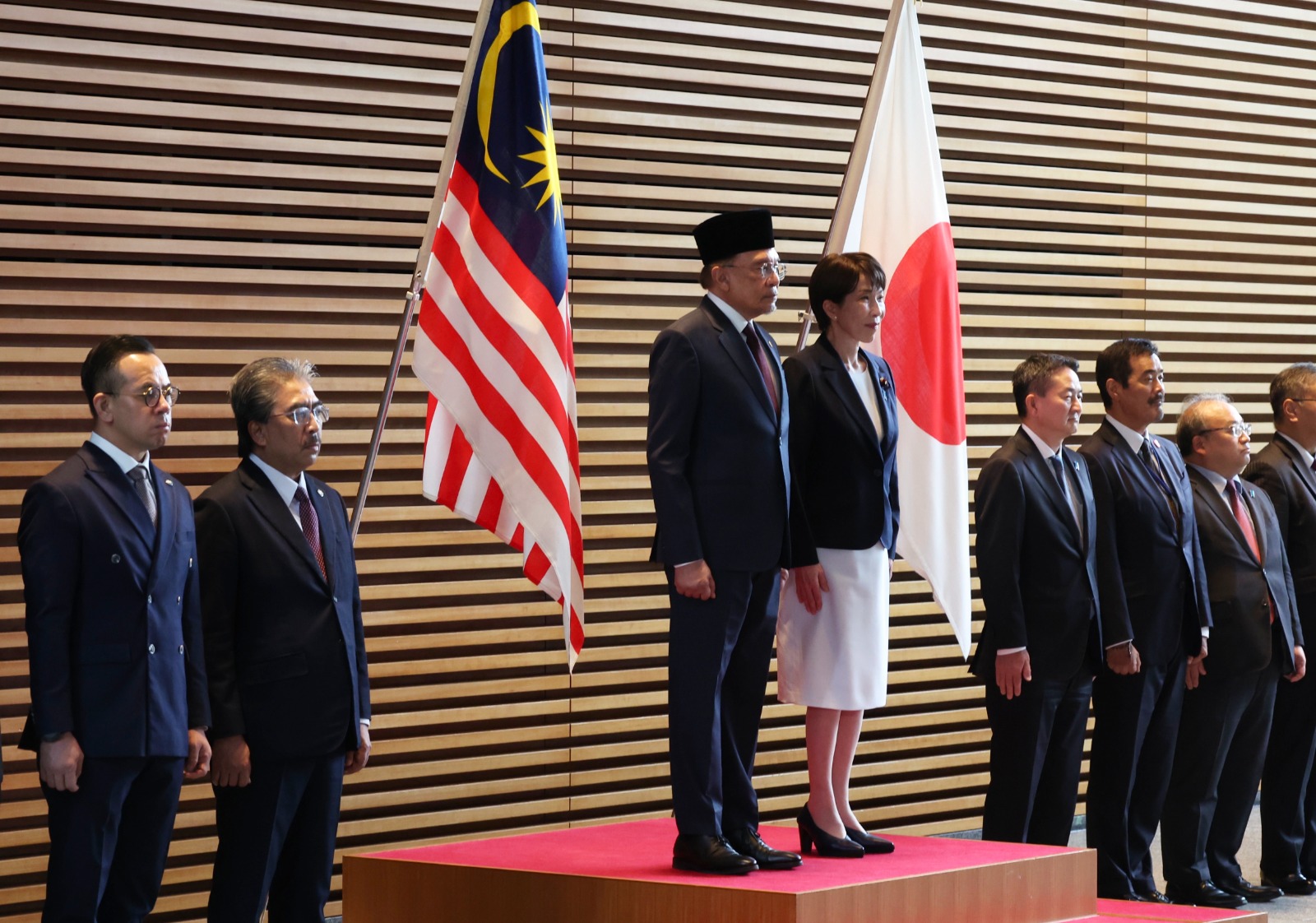
Deputy Minister for Energy and Environmental Sustainability Datuk Dr Hazland Abang Hipni highlighted the significance of the partnership during his recent courtesy call on Japanese Economy, Trade and Industry Minister Ken Saito to share the progress between the parties during the Asia Zero Emission Community (AZEC) Forum in Tokyo.
The meeting served as a platform to discuss the progress achieved between the parties involved.
“Sarawak’s hydropower energy is the reason behind for the two Japanese partners playing their part in the Sarawak H2 Hub in Bintulu.
“The hydro powered grid system in the state will eventually produce cleaner hydrogen, making it attractive for investors,” SEDC sate in a statement on Dec 18.
The JDA outlines a comprehensive strategy for generating approximately 90,000 tons of clean hydrogen, with a provision of 2,000 tons earmarked for local consumption within Sarawak.
At the heart of this collaboration lies Sarawak’s hydropower energy, a pivotal factor attracting Japanese partners to contribute to the Sarawak Hydrogen Hub in Bintulu where the region’s hydro-powered grid system is poised to produce cleaner hydrogen, fostering an appealing investment climate.
SEDC Energy assumes a key role in overseeing the technical aspects of hydrogen production. The focus revolves around integrating and optimising the energy procurement process to ensure efficient project execution.
“The goal is to begin production of clean hydrogen by 2030 and all the parties involved will enter the Front-End Engineering Design (FEED) phase.
“Bintulu is chosen for the hub’s location due to the existing petrochemical industrial complex, which has the advantage of being able to utilise existing facilities for the methylcyclohexane (MCH) production that will be used to transport hydrogen to Japan,” SEDC said.
The project aligns with Malaysia’s New Energy Transition Roadmap (NETR) and Sarawak’s Hydrogen Economy Roadmap, aimed at propelling Sarawak towards a developed state by 2030.
The collaborative effort will augment Malaysia’s clean energy aspirations, as acknowledged within national policy frameworks. During the AZEC Forum, representatives from Sumitomo Corporation, ENEOS, and SEDC Energy presented updates on the progress of the H2ornbill Project to Ken Saito.
The SEDC-led initiative marks a pivotal step forward in leveraging Sarawak’s renewable energy resources to establish a robust and sustainable clean hydrogen supply chain. This partnership echoes a resounding commitment to clean energy and propels Sarawak towards a greener, more sustainable future.