SERIAN: Sarawak is looking to reduce its reliance on imported feed maize by expanding local grain corn cultivation to strengthen food security and lower import costs.
Food Industry, Commodity and Regional Development Deputy Minister Datuk Martin Ben said Sarawak spent RM427 million importing feed maize in 2024, with the figure increasing to RM429 million in 2025.
As of May this year, he said the state’s import bill had already exceeded RM160 million.
“The numbers are huge. We are spending almost half a billion ringgit just on feed maize imports.
“Our import bill is simply too high. Around 60 to 70 per cent of the cost of producing meat is attributed to animal feed.
“Just imagine if we could reduce our import bill by 10 per cent through the grain corn cultivation project in Kampung Labak Tungan. That alone would save about RM40 million in foreign exchange,” he said.
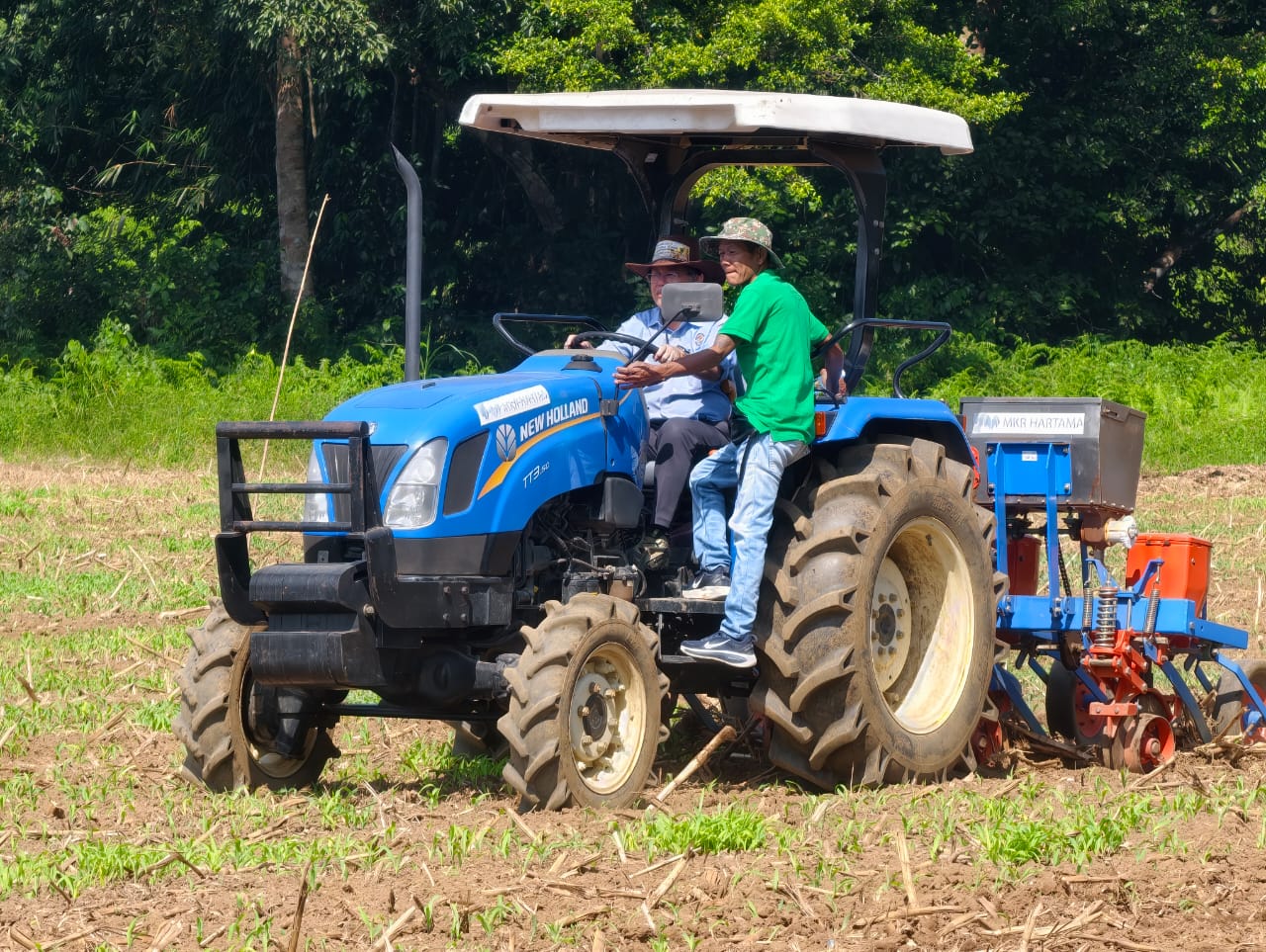
He said this during a working visit to the grain corn farm in Kampung Labak Tungan here today (Jul 14).
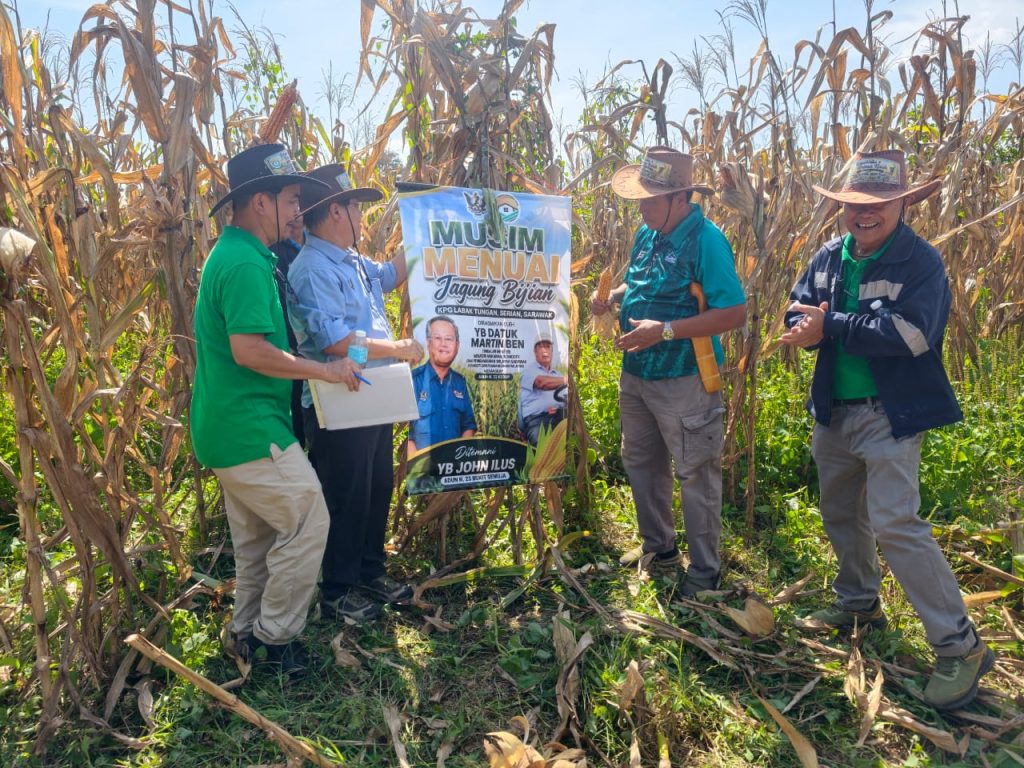
Martin, who is also Kedup assemblyman, said projects such as the grain corn farm in Kampung Labak Tungan could help strengthen food security while reducing the state’s import bill.
He described the Labak Tungan project as a success story that should be replicated by other villages and cooperatives with suitable land.
He said Sarawak’s tropical climate gives the state an advantage for year-round cultivation compared with major grain-producing countries that experience seasonal interruptions.
“I will bring this matter to the ministry to explore how we can provide further assistance through the Department of Agriculture Sarawak (DOA).
“We have already seen the facilities here, from mechanisation to drying and processing.
“We should promote this to neighbouring villages and encourage them to participate, as this project already has the necessary drying equipment and could serve as a collection point for their produce,” he said.
Martin also proposed integrating livestock farming with grain corn cultivation by using corn by-products as animal feed, saying the approach could create an additional income stream for farmers while reducing agricultural waste.
“If the cooperative agrees, we can send officers from the Department of Veterinary Services (DVS) to discuss the potential of using the by-product for livestock farming,” he said.