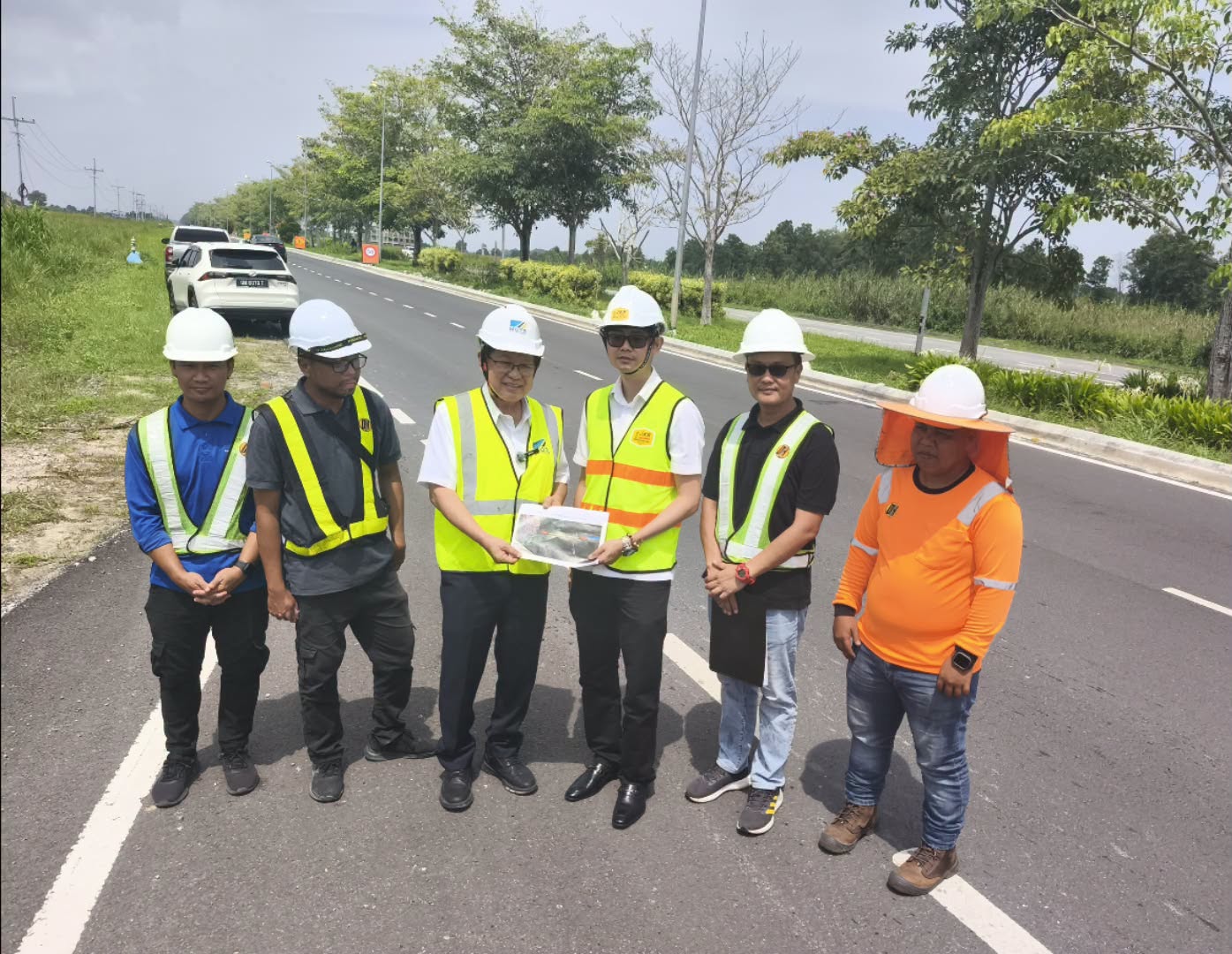
KOTA SAMARAHAN: Universiti Malaysia Sarawak (UNIMAS) has strengthened its collaboration with the Construction Research Institute of Malaysia (CREAM) and the Construction Industry Development Board (CIDB) to develop national standards for in-situ geotechnical testing on peat soils.
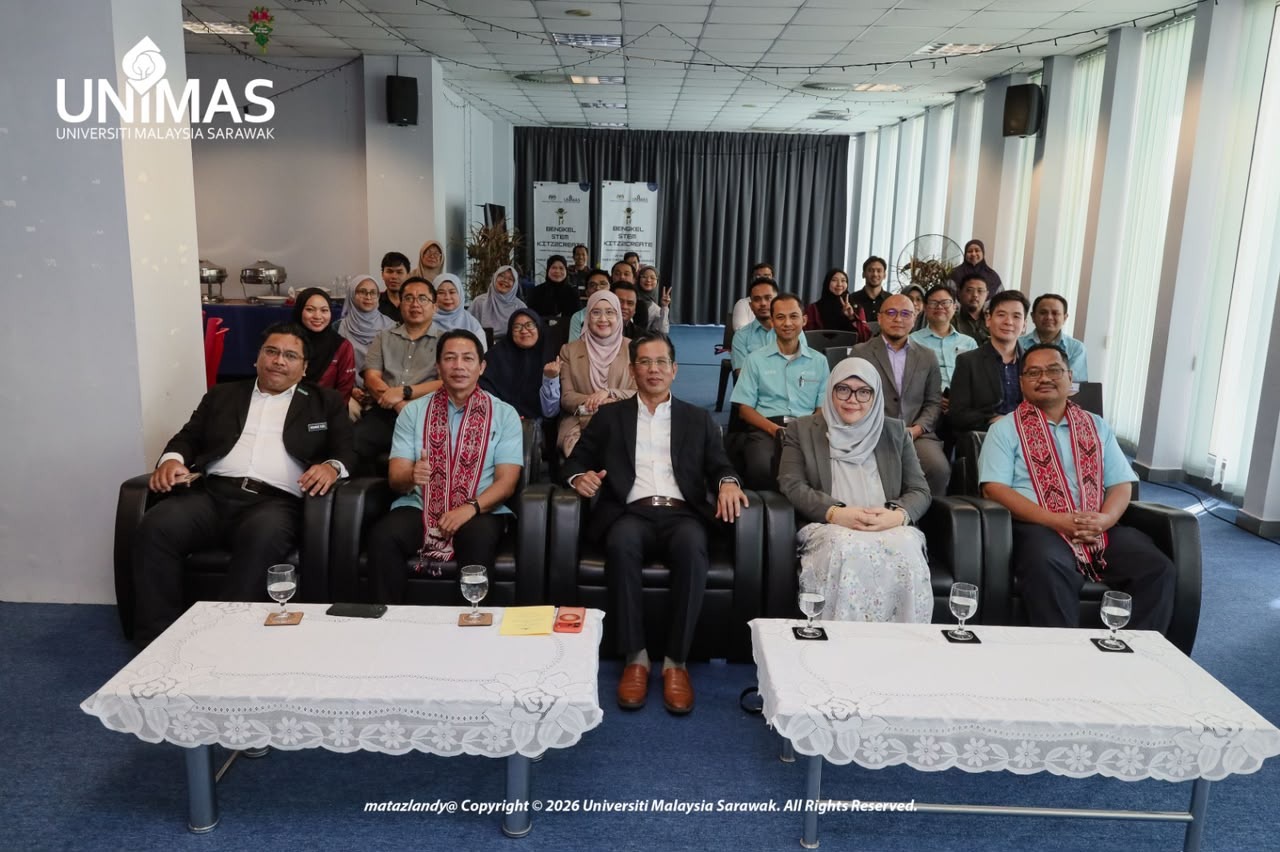
The collaboration was formalised through the handover of an appointment letter for the project, Development of Standards for In-Situ Geotechnical Testing of Peat Soils (Phase 1), during a ceremony at UNIMAS today.
Organised by the university’s Faculty of Engineering and the Research Centre for Construction on Peat and Problematic Soils (COPPS), the project is managed by UNIMAS Holdings Sdn Bhd (UHSB).
UNIMAS’ Vice-Chancellor, Professor Dr Ahmad Hata Rasit, said the project is particularly relevant to Sarawak, which has the largest peatland area in Malaysia, much of it located along coastal zones that host major economic centres.
He said infrastructure development on peat soils requires accurate geotechnical assessment to ensure efficient and cost-effective engineering designs.
“Without precise geotechnical parameter testing, infrastructure designs tend to become overly conservative, resulting in significantly higher construction costs,” he said during the event.
Ahmad Hata added that the initiative aligns with Sarawak’s Post COVID-19 Development Strategy (PCDS) 2030, the 13th Malaysia Plan (13MP), and the Malaysia MADANI agenda by promoting data-driven, cost-efficient and locally developed engineering solutions.
Meanwhile, CREAM’s Chief Executive Officer, Ts Syed Hazni Abdul Gani, described the first phase of the project as a strategic effort to complement and enhance the Guidelines for Construction on Peat and Organic Soils in Malaysia published in 2019.
He said the project aims to shift geotechnical practice towards direct field measurements using Piezocone (CPTu) and Piezoball testing rather than relying on overseas empirical correlations that may not suit local ground conditions.
Syed Hazni also expressed confidence in the expertise of the UNIMAS research team, particularly in applying numerical modelling techniques to improve interpretation of test data and reduce uncertainties associated with peat soil investigations.
The pilot project is expected to pave the way for a comprehensive national guideline on in-situ peat soil testing, providing engineers with a stronger technical foundation for designing roads and other infrastructure while reducing future public project costs.