Chef Robbie Richard Balcarek sees Sarawak’s rainforest as a living pantry, where ingredients such as terung dayak, midin and wild ginger preserve Indigenous knowledge, seasonal traditions and the state’s culinary identity — but he warns that some of these flavours are increasingly at risk of being lost.
Flavours beneath the Canopy
If Sarawak’s rainforest had a flavour, Chef Robbie Richard Balcarek believes it would be neither sweet nor spicy.
It would be sour.
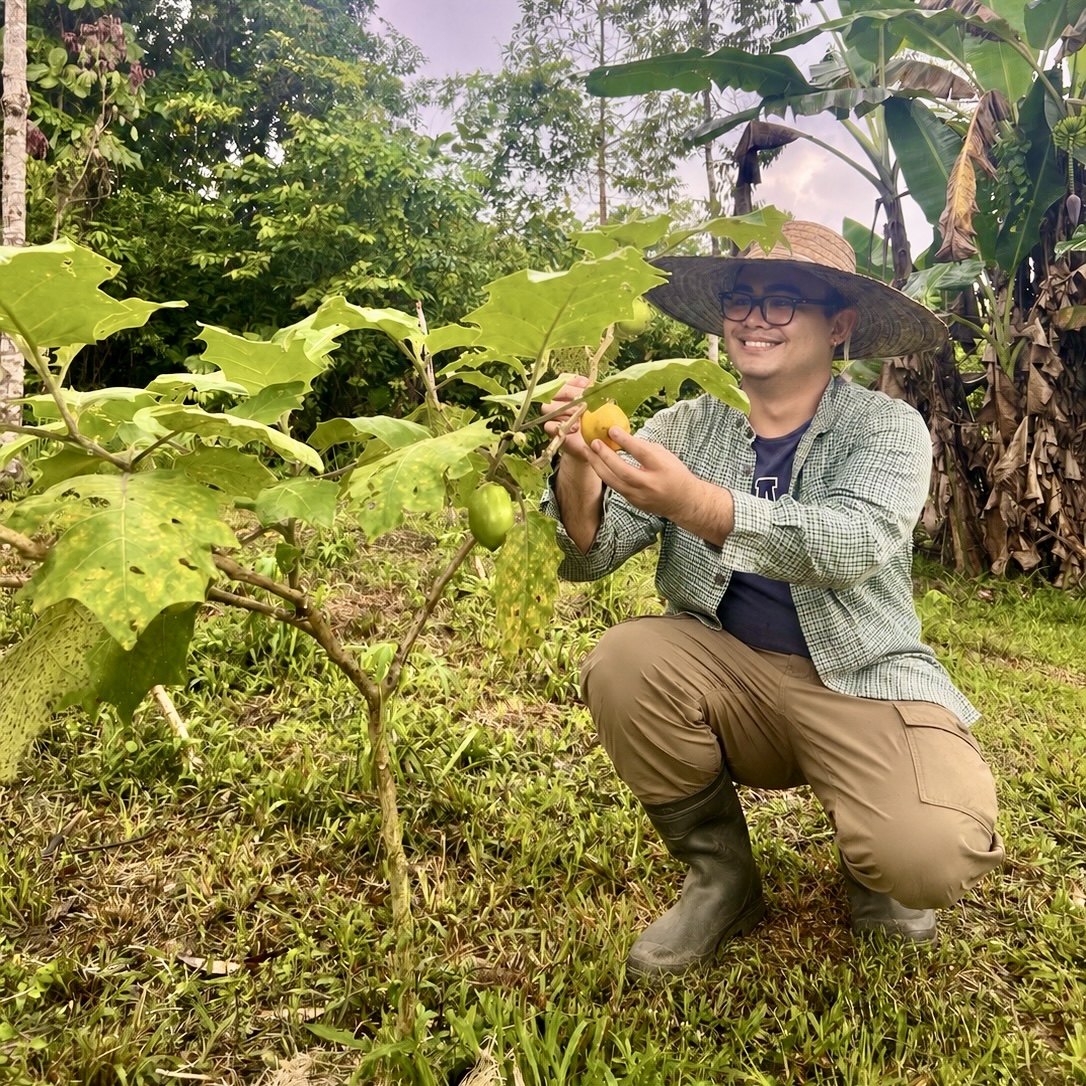
Not the sharp tang of lime or the familiar bite of tamarind, but the bright, fruity acidity of terung dayak — a humble brinjal that has flavoured Indigenous kitchens for generations and remains one of the most distinctive tastes in Sarawak.
For the 27-year-old owner of Little Fairy Cafe on Jalan Padungan, that single ingredient tells a much bigger story — one of family, heritage, biodiversity, and the rainforest that continues to shape what arrives on local plates.
“Terung dayak best represents the flavour of Borneo’s rainforest for me. It has a bright, fruity sourness that is unique to Sarawak and is deeply connected to our Indigenous food culture,” he said.
Unlike common souring agents such as tamarind or lime, terung dayak has a distinctive acidity that is instantly recognisable to many Sarawakians. It is a flavour rooted in place, reflecting the diversity and richness of ingredients that thrive within Borneo’s rainforest.
Among all the flavours he works with, terung dayak remains the one he believes best captures the essence of Sarawak.
From jungle to table
That connection between food and forest is something Robbie experiences daily through the ingredients that arrive at his restaurant.
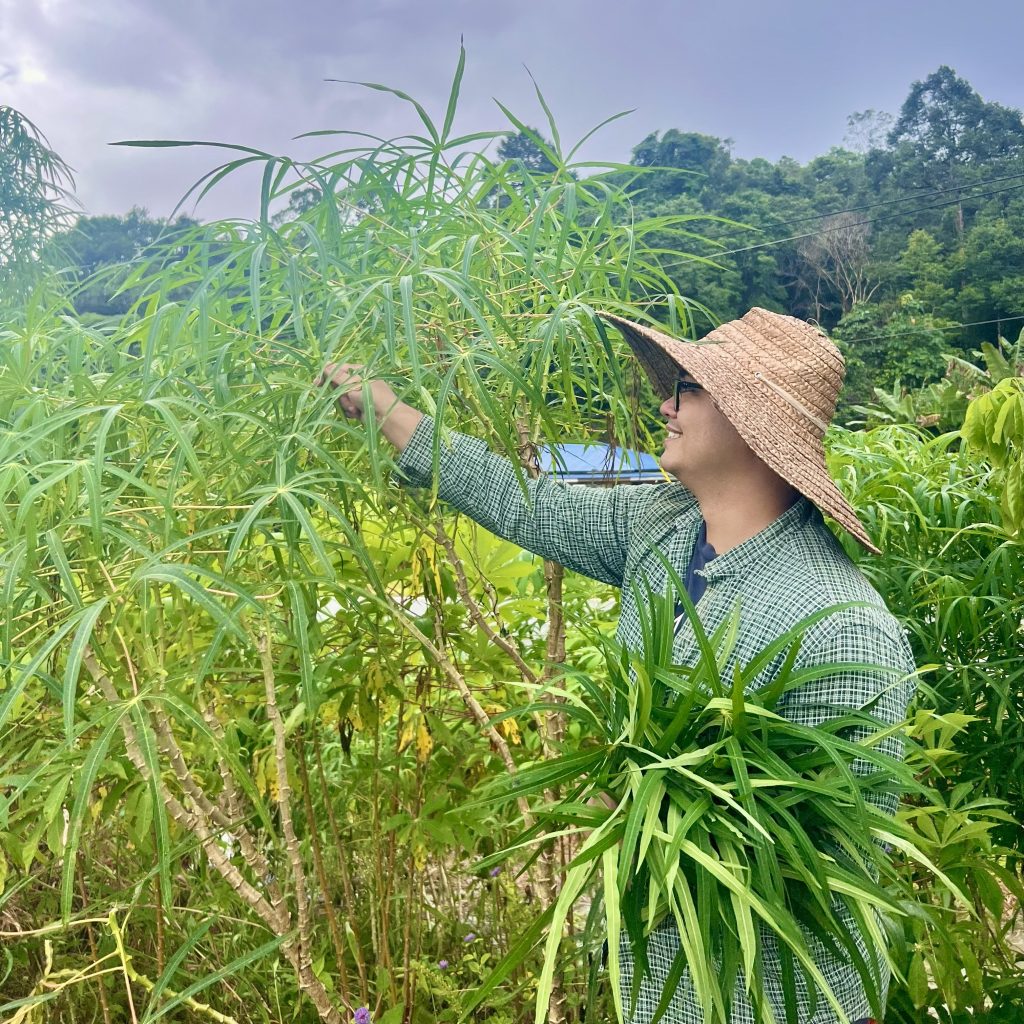
Midin (wild jungle fern), terung dayak, bunga kantan (torch ginger), daun ubi (cassava leaves), bambangan (wild mango) and tepus (wild ginger) are among the rainforest ingredients he uses most frequently in his cooking. Together, they form part of a culinary identity shaped by generations of interaction with the natural environment.
Yet for Robbie, these ingredients do not begin in markets or supply chains. Many begin at home.
At Little Fairy Cafe, he embraces what he calls a “Jungle to Table” philosophy, with a significant portion of the produce used in his kitchen coming directly from his hometown of Bau.
Family members cultivate and gather ingredients from their own gardens before delivering them fresh to Kuching. Bamboo shoots, tempoyak (fermented durian), daun ubi, terung dayak, tepus and various edible ferns all make the journey from family land to restaurant table.
Beyond supplying ingredients, Robbie said his family also preserves something equally valuable — knowledge.
Without people who continue to plant, harvest and share these traditions, much of Sarawak’s food heritage could easily disappear over time.
“Food is much more than something we place on a plate. It carries culture, history and a connection to the land and the people who cultivate it,” he explained.
Many of the lessons that influence his cooking today come not from culinary school, but from elders, farmers and Indigenous communities who have spent generations living alongside the rainforest.
According to Robbie, Indigenous communities possess a wealth of knowledge about edible plants, seasonal cycles, sustainable harvesting methods and traditional preparation techniques.
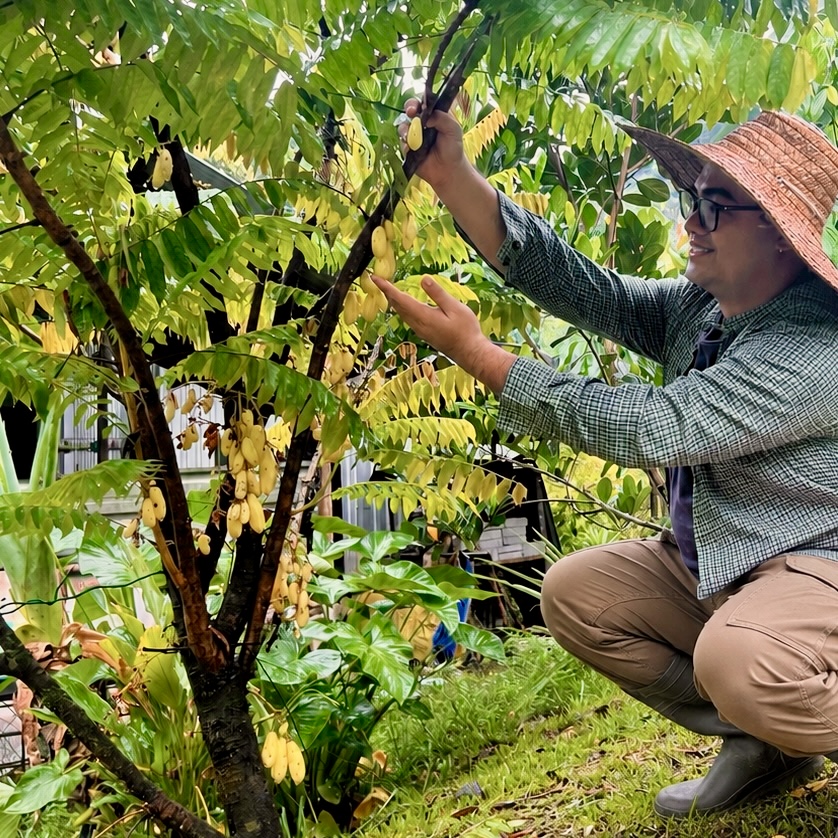
They know when terung dayak will fruit, how weather conditions affect the durian season, and when local produce is at its best.
“It is knowledge passed down through generations and learned through experience. As chefs, we still rely on this wisdom to preserve authentic flavours and traditional food practices,” he said.
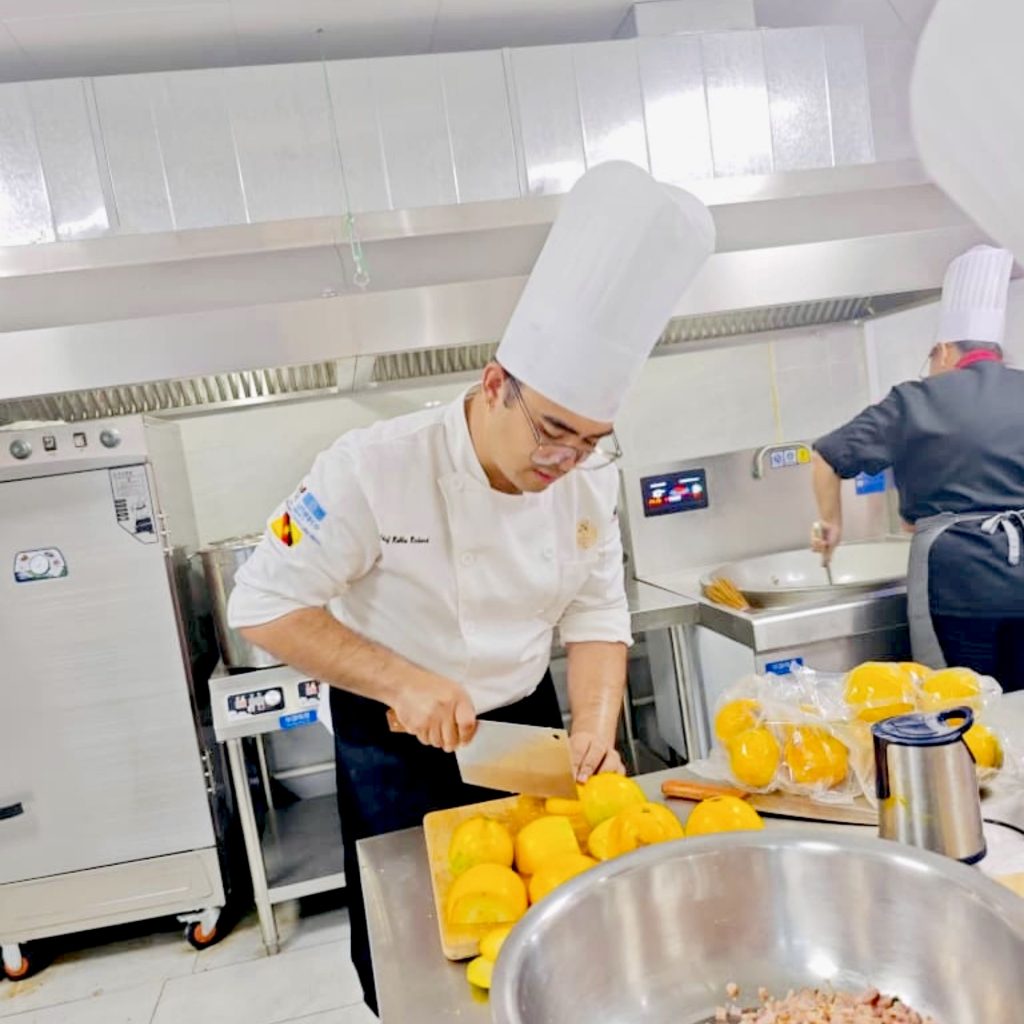
Having represented Sarawak in international culinary competitions, Robbie has seen first-hand how ingredients familiar to local communities can captivate diners and judges from around the world.
Among his achievements are a Gold Award at an international culinary competition in India and a Silver Medal at a culinary competition in Vietnam, both earned through dishes inspired by local flavours.
Yet for him, recognition on the international stage has only reinforced one concern: some of the very ingredients that define Sarawak’s culinary identity are becoming increasingly difficult to source.
Flavours at risk
That heritage, however, is not something Robbie takes for granted.
Many rainforest ingredients are seasonal, while others are becoming harder to source than they once were.
The tempoyak served at his restaurant largely comes from his grandparents’ durian orchard. During the fruiting season, the family gathers and ferments as many durians as possible to ensure there is enough supply throughout the year.
Terung dayak is often sourced from an aunt, but once her harvest is exhausted, obtaining additional supplies can become difficult and expensive.
Certain wild vegetables and seasonal fruits have also become less predictable due to changing weather patterns, habitat loss and a decline in traditional foraging practices.
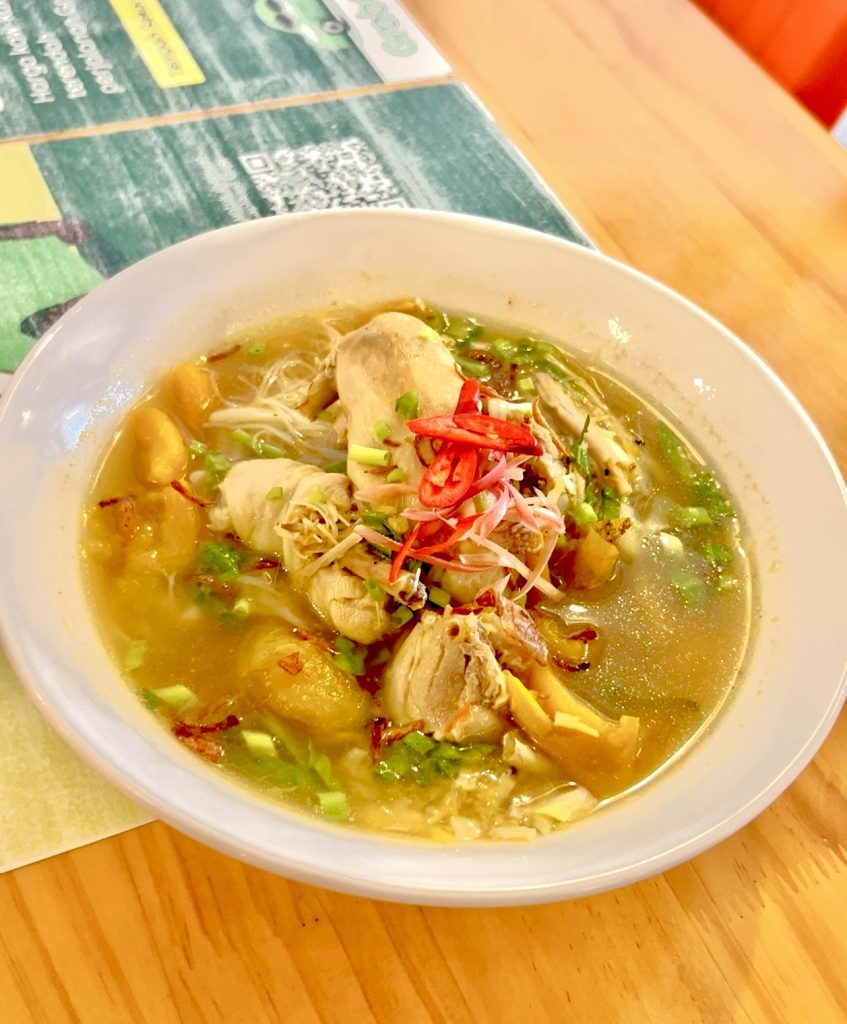
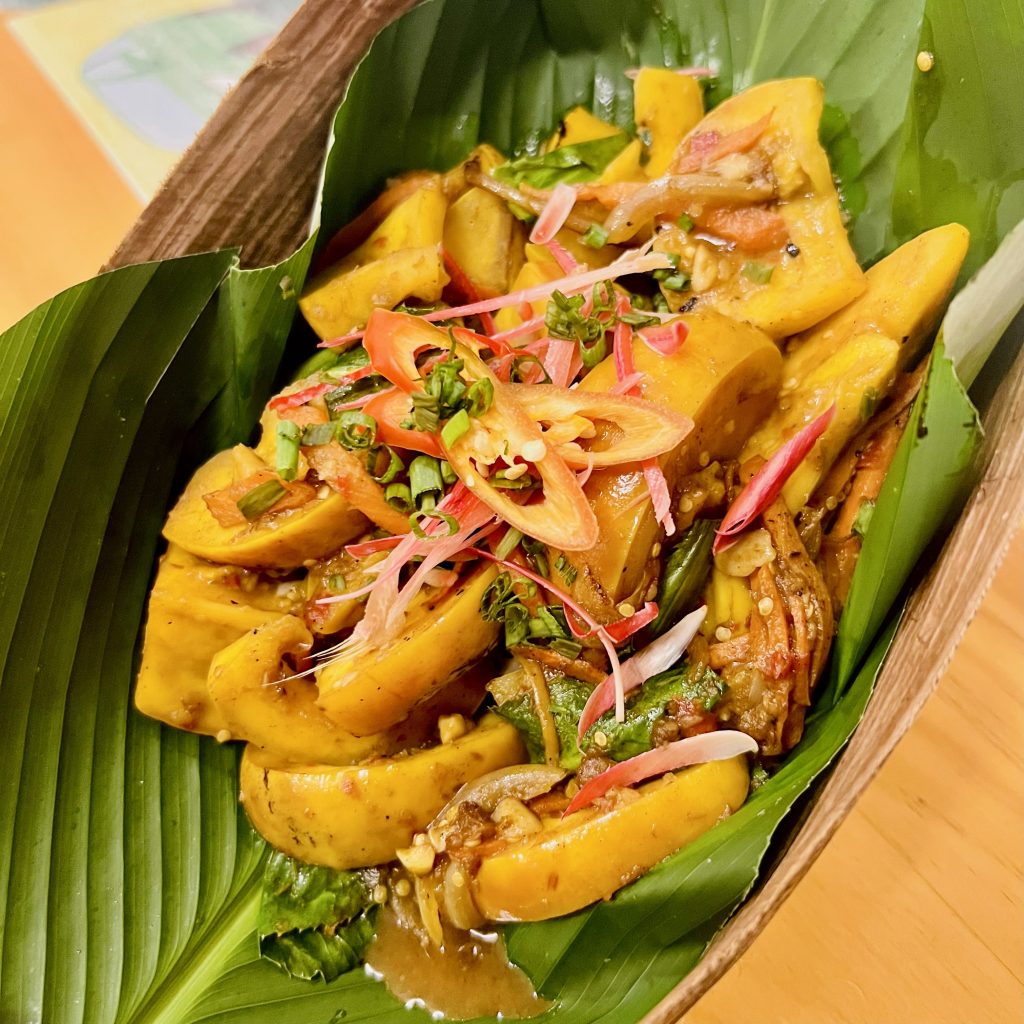
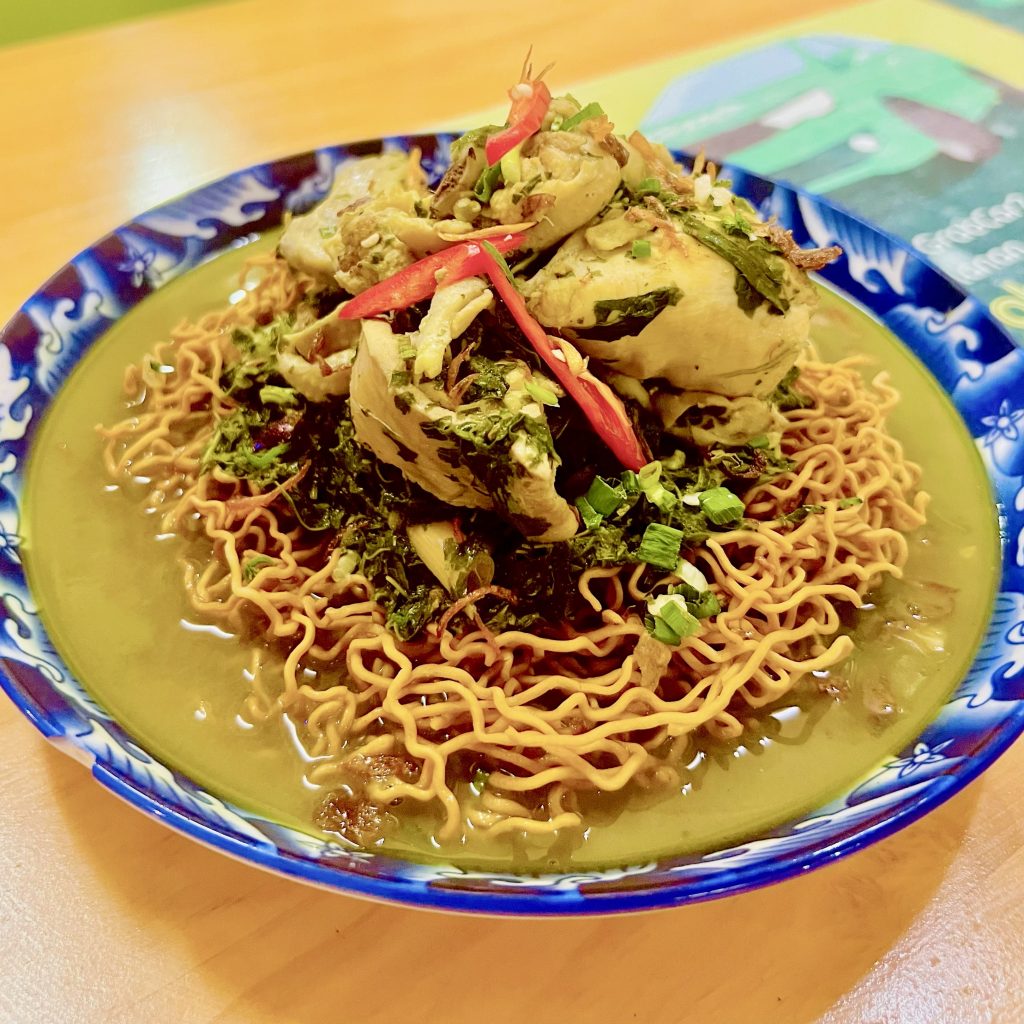
At the same time, Robbie worries that younger generations are becoming less familiar with many of the foods their grandparents once enjoyed.
Wild vegetables, edible shoots, forest mushrooms, ferns and seasonal fruits that were once common in local diets are now unfamiliar to many urban youths.
As lifestyles become increasingly urbanised, some of the traditional knowledge surrounding these ingredients risks fading alongside them.
Because much of the produce used in his restaurant comes directly from family gardens, Robbie said he has developed a deeper appreciation for the effort involved in growing and harvesting food.
It has taught him to handle ingredients with care and to respect their natural freshness, flavour and quality.
More importantly, it has reinforced the importance of seasonality and responsible harvesting — values he believes are essential to preserving Sarawak’s food heritage.
More than a meal
For Robbie, preserving those traditions does not mean resisting change.
His approach is straightforward: keep the flavours authentic while allowing presentation and techniques to evolve.
By combining traditional ingredients with contemporary culinary methods, he hopes to introduce Sarawak’s heritage flavours to a wider audience without losing their identity.
“I believe the flavours should remain authentic, while the presentation and techniques can evolve,” he said.
For him, maintaining the authentic taste of an ingredient is also a way of honouring the teachings passed down by his elders.
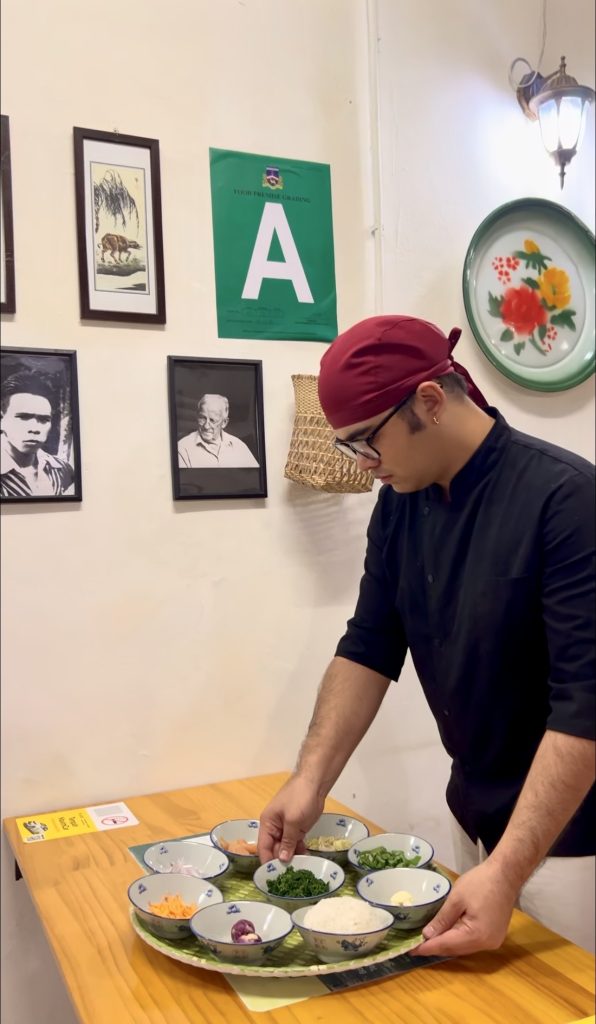
Food, he believes, can achieve something that facts and figures often cannot — it can create a personal connection.
When diners taste ingredients such as midin, terung dayak or tepus, they experience a small part of the rainforest first-hand. That sensory experience often sparks curiosity, conversation and a deeper appreciation for the environment from which those ingredients originate.
“If the rainforest disappeared tomorrow, we would lose far more than ingredients. We would lose traditional knowledge, Indigenous food practices, cultural stories and unique flavours that have been passed down through generations,” he pointed out.
Among all the ingredients that define Sarawak’s culinary landscape, there is one he hopes future generations will continue to experience.
Terung dayak.
Endemic to Sarawak and deeply rooted in local food traditions, it remains, in his view, one of the clearest expressions of the state’s culinary identity.
For Robbie, preserving terung dayak is not simply about safeguarding an ingredient. It is also about protecting the knowledge that surrounds it — the planting, harvesting, preparation methods and stories passed down through generations.
He hopes future Sarawakians will not only continue tasting terung dayak, but also learn the traditional ways of preparing and enjoying it, just as his elders once taught him.
“Preserving it means preserving a flavour that future generations can proudly identify as part of Sarawak’s heritage,” he said.
World Rainforest Day may have come and gone, but for Robbie, the rainforest is not an abstract concept measured in hectares or statistics. It is something that can be tasted, shared and remembered.
And perhaps that is where its greatest value lies — not only in the trees that stand beneath the canopy, but in the flavours, stories and traditions that continue to find their way from the forest to the table.