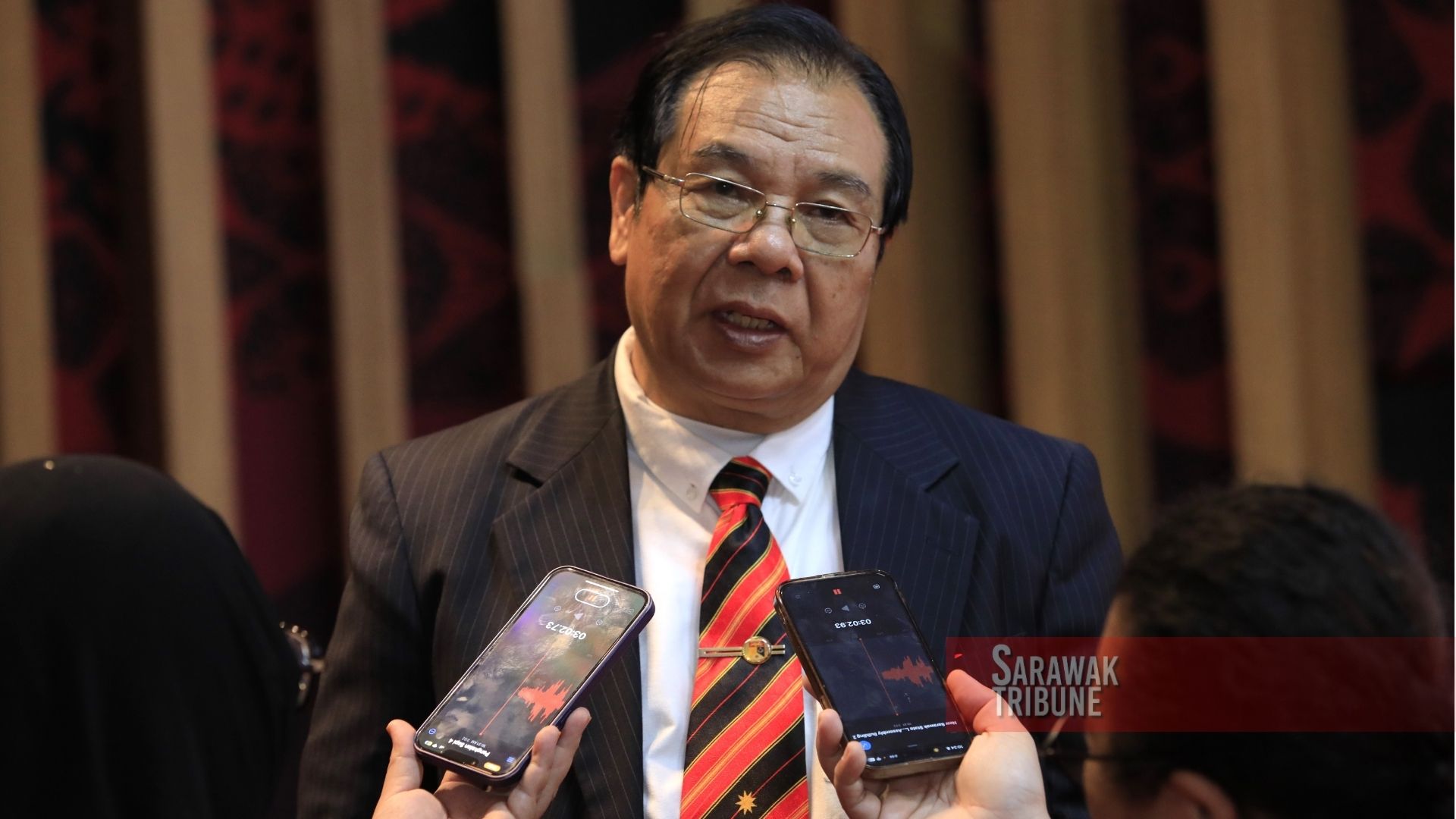
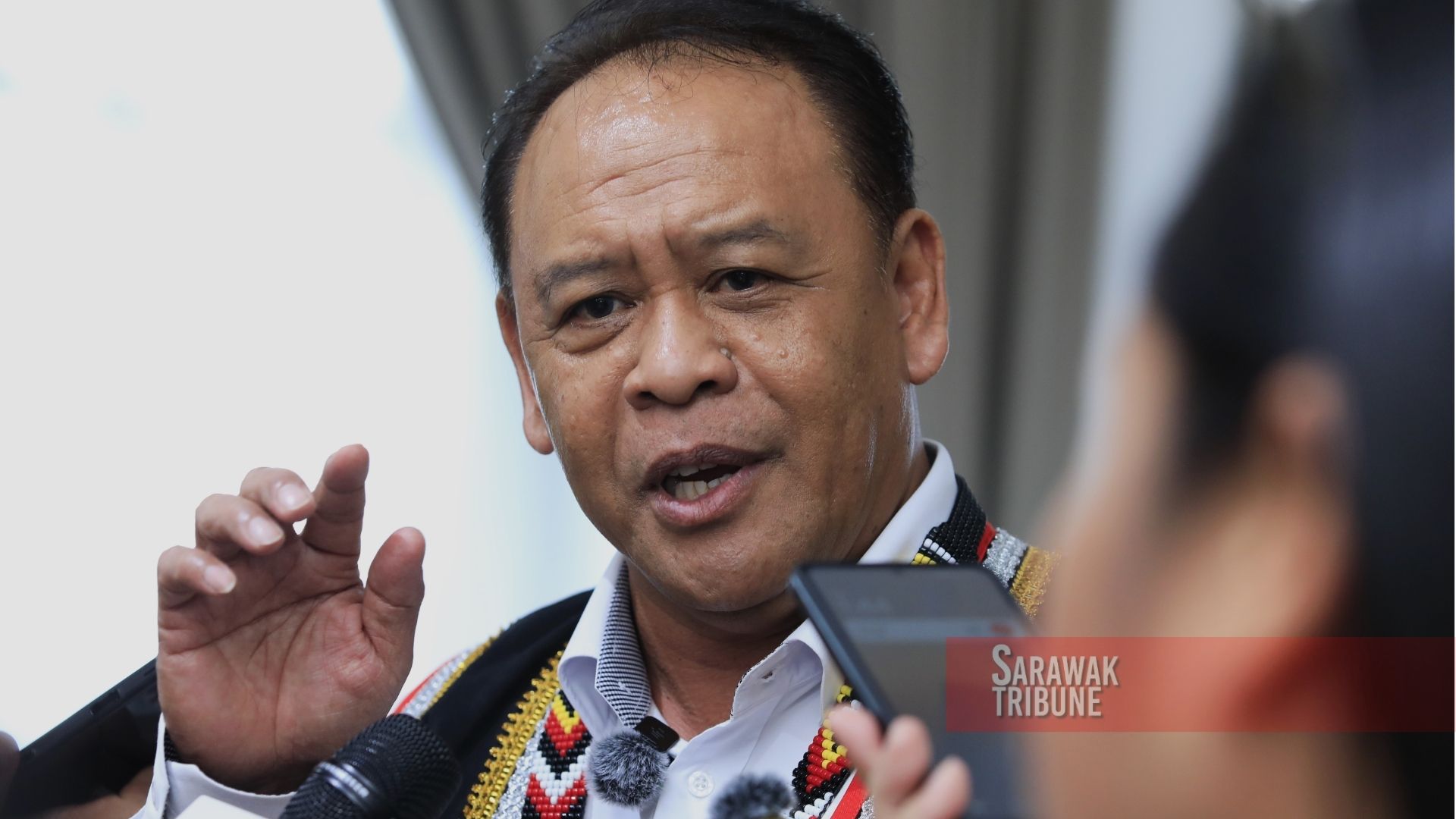
KUCHING: Premier Datuk Patinggi Tan Sri Abang Johari Tun Openg, in his address marking the 67th National Day celebration, has rallied Sarawakians towards a shared vision of progress and prosperity for Sarawak in particular and Malaysia as a whole.
Reframing the narrative of unity and growth, Abang Johari highlighted the historical significance of solidarity among diverse communities, drawing parallels between the struggles for independence in Malaya and Sarawak.
He underscored the enduring spirit of collaboration and progress that has propelled Sarawak forward over the past six decades as part of Malaysia.
Looking ahead, he emphasised the importance of a sustainable economy driven by technology and resources, outlining the Gabungan Parti Sarawak (GPS) government’s strategic focus on economic prosperity, social inclusivity, and environmental sustainability through initiatives like the Post-COVID-19 Development Strategy (PCDS) 2030.
As Sarawak navigates the challenges of a changing world, Abang Johari’s message resonated with a vision of a vibrant and resilient future for the region.
“Throughout 61 years of being part of Malaysia, Sarawak has continued to advance and compete in various fields to strengthen and transform its economy. As the world stands at a crossroads, shifting towards clean energy in efforts to combat climate change,” he said on Friday (Aug 30).
He likened Malaysia to a big family that looks after the interests of all, regardless of race and religion, in line with the spirit of solidarity shown by the earlier leaders who fought to liberate Malaysia from foreign powers.
“In Malaya in 1957, Malay, Indian, and Chinese leaders joined forces to demand independence from the British.
“In Sarawak, Dayak, Chinese, and Malay leaders worked hand in hand to free Sarawak from the British administration,” he said.
Moreover, he said Malaysia can also be seen as a big family that safeguards the interests of its regions amidst regional and international challenges to create an environment that is conducive to economic development in those regions.
“Therefore, on this historic August 31, let us take a moment to reflect and trace the series of important events that freed the regions of this country from the shackles of colonialism, which began on this date and culminated in the formation of Malaysia in 1963.
“This year, the theme ‘Malaysia Madani: Jiwa Merdeka’ has been chosen as the official theme for the 2024 National Day and Malaysia Day celebrations, a theme that invites the people of this country to deeply appreciate the true meaning of independence and freedom as citizens of a sovereign and independent nation.
“Sarawak, which became free from foreign powers six years later, went through various critical moments etched in history when gaining independence from the British, including phases of negotiations and a referendum that led to the transfer of power to govern Sarawak to the people of Sarawak themselves on July 22, 1963,” he said.
Abang Johari further mentioned that the focus of the Gabungan Parti Sarawak (GPS) government is directed towards the policy of generating a sustainable economy based on sustainable resources and technology.
“As early as 2017, Sarawak took steps to develop a digital economy, followed by initiatives towards a hydrogen economy, sustainable resource development, and clean energy.
“Now, Sarawak is beginning to explore initiatives to develop compound chip and aerospace industries, alongside efforts towards downstream oil and gas resources,” he said.
He added that after the world was severely impacted by the COVID-19 pandemic, the state government continued to take bold and proactive steps with the implementation of the Post-Covid-19 Development Strategy (PCDS) 2030 in 2023 as the main platform towards making the state a high-income developed region by 2030.
“PCDS 2030 has three main pillars, emphasizing economic prosperity, social inclusivity, and environmental sustainability to transform Sarawak’s economy,” he said.
He also remarked that the state continues to lead in new economic branches and serves as a reference for other regions within and outside the country.
“Sarawak has been able to move quickly over the past seven years due to relatively stable social and political conditions,” he said.