“The Earth is what we all have in common.”
– Wendell Berry
NOW that we are halfway through Ramadan, many of us have found our rhythm. Waking up early for sahur, getting through long afternoons with patience, and finally breaking our fast with water or dates have become part of our everyday lives.
People often think of Ramadan as a time for spiritual reflection and self-control. But if we pause to consider it, fasting also reminds us of our connection to the world around us.
Our lives and the land
Scientists today often talk about planetary health. The phrase might sound complicated, but it means something simple: our health depends on the health of the Earth. When the environment is healthy, people do better. When nature is harmed, our wellbeing suffers too.
For people in Sarawak, this idea is easy to understand. Our forests are more than just beautiful places with tall trees and wildlife. For many, especially those close to nature, the forest has always provided food, medicine, and a way to make a living.
For generations, indigenous communities have used forest plants to treat common illnesses like fever, wounds, and stomach aches. What once seemed like simple traditions are now drawing interest from scientists. Many of these plants have natural compounds that could help create new medicines in the future.
Caring for the planet is not just about forests or biodiversity. It is also about the choices we make every day.
The spirit of Ramadan in daily choices
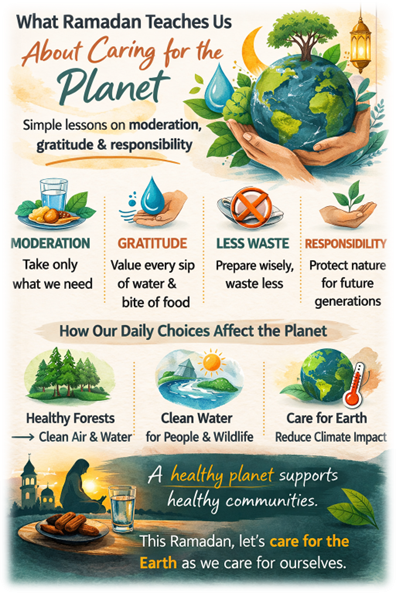
In many ways, the values we follow during Ramadan are similar. Fasting teaches us moderation. After hours without food or water, even a sip at iftar feels special. It reminds us not to take food and water for granted. They come from the earth, the rain, the rivers, and the farmers who work hard to provide them.
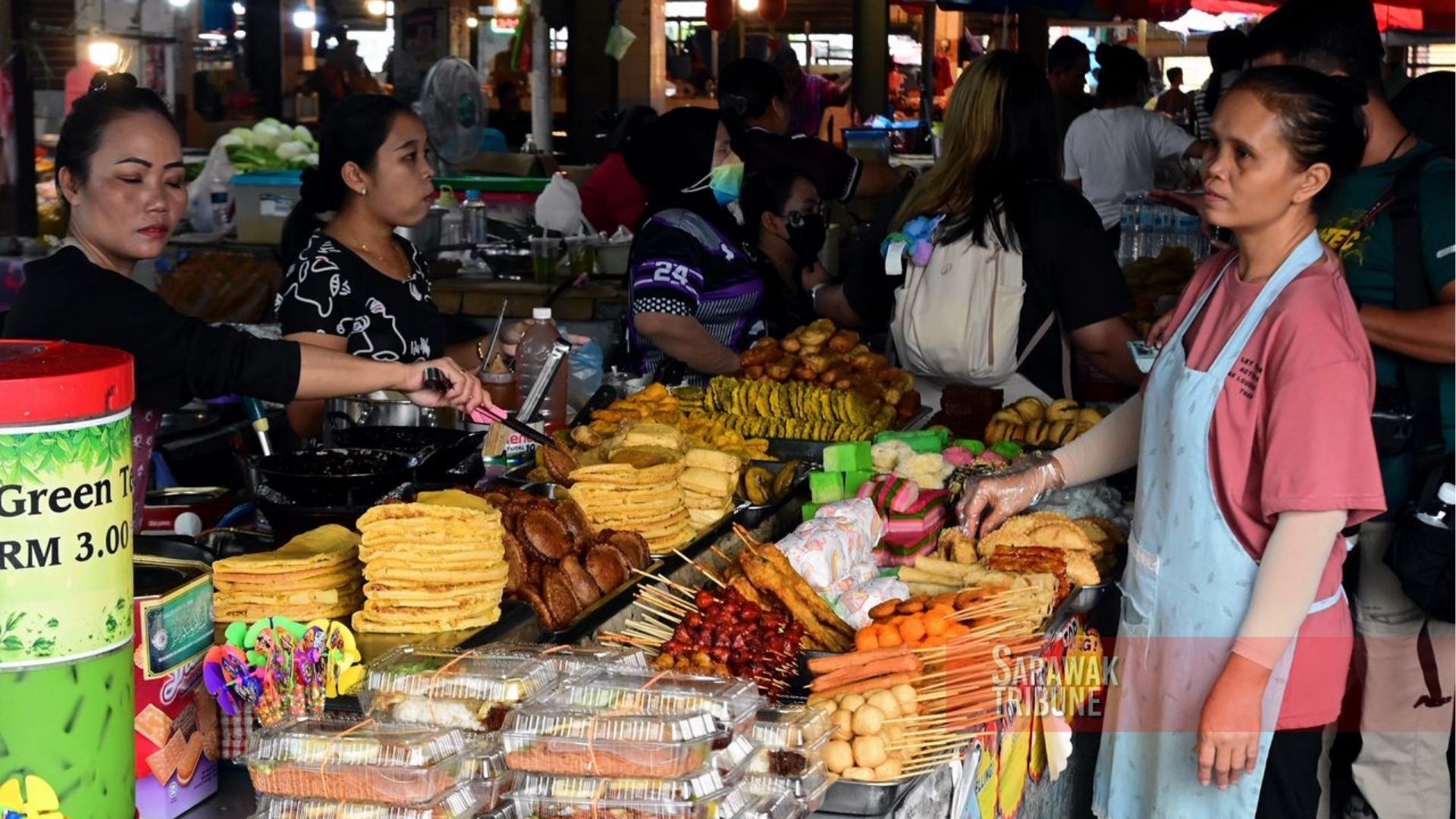
Ramadan also teaches us to live simply. But in today’s world, it is easy to forget this. Many homes prepare a lot of food for iftar, often more than we can eat. Sadly, some of it gets thrown away.
Cutting down on food waste during Ramadan might seem small, but it teaches us something important. When we avoid wasting food, we show gratitude not just for what we have, but also for the natural resources that make it possible.
Ramadan also reminds us of our duty. In Islam, people are trusted to be khalifah, or caretakers of the Earth. This means we must protect the environment that supports us.
Today, this responsibility matters more than ever. All over the world, forests are shrinking, wildlife is decreasing, and the climate is less predictable. These changes affect not just nature, but also food, water, and the wellbeing of people.
The idea of planetary health reminds us that people and the planet are closely linked.
Reflecting and acting together
The good news is that solutions do not always need complex technology. Sometimes, they start with simple awareness: appreciating nature, respecting traditional knowledge, reducing waste, and making small, responsible choices every day.
As we move through the rest of Ramadan, this is a good time to think about our connection to the planet. The water that refreshes us at sunset, the food that nourishes us after fasting, and the air we breathe all come from the same Earth that supports us.
In the end, caring for the Earth is part of caring for ourselves. When the planet is healthy, our communities are healthier too.
Sometimes, the lessons that help us build a better future are already found in the quiet wisdom of Ramadan.
The views expressed here are those of the writer and do not necessarily represent the views of Sarawak Tribune. The writer can be reached at ab_fauziah@upm.edu.my.