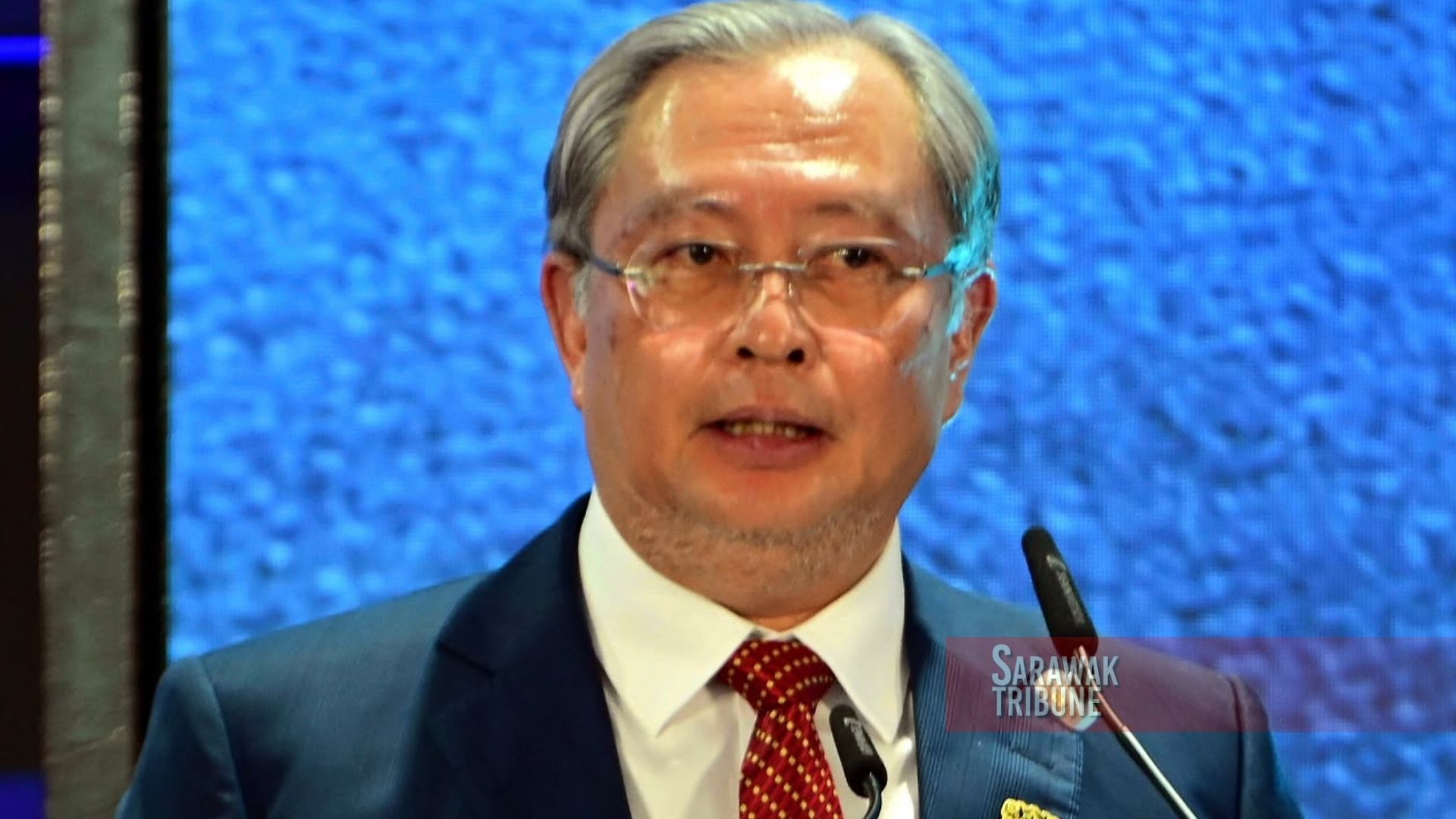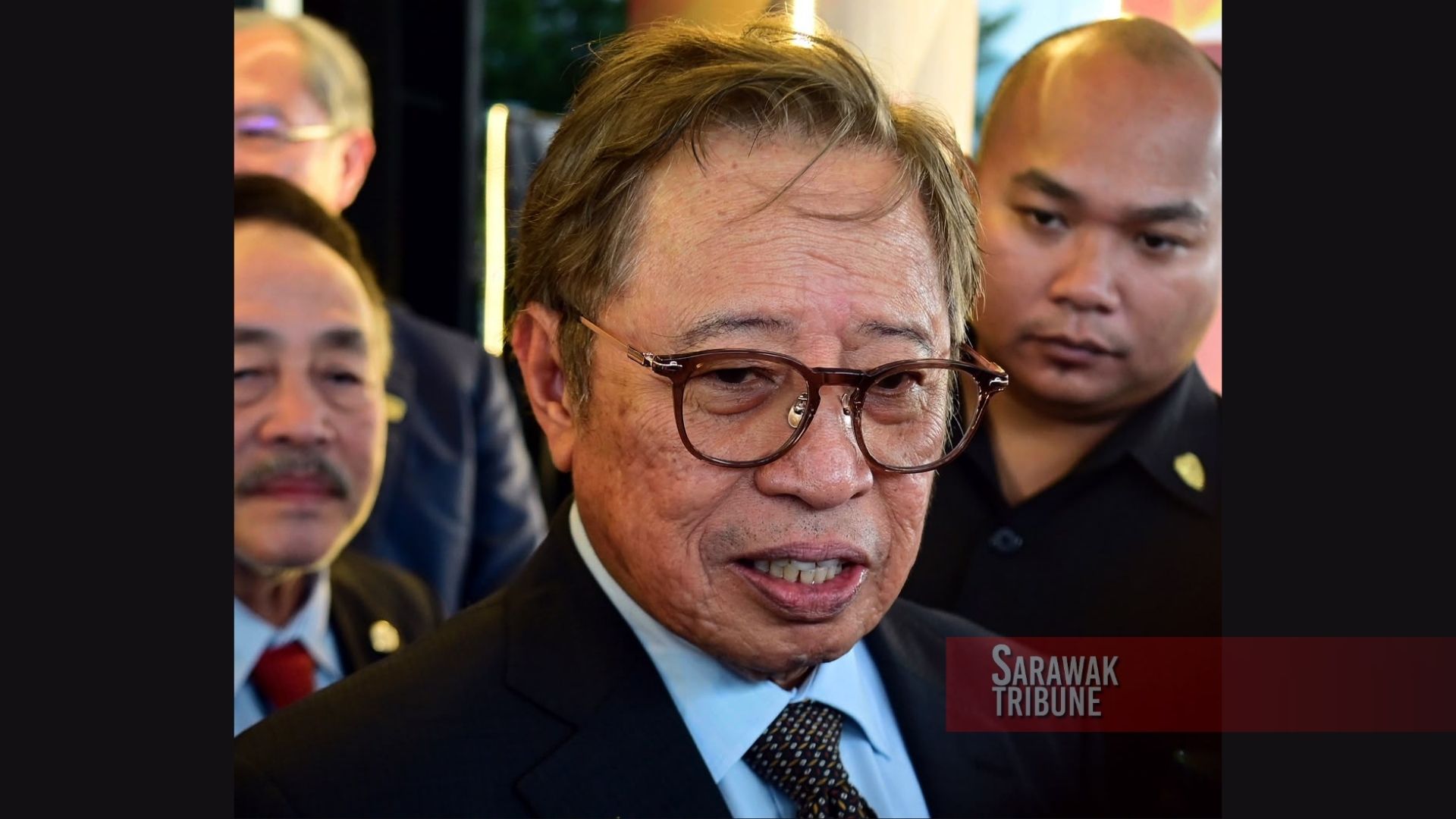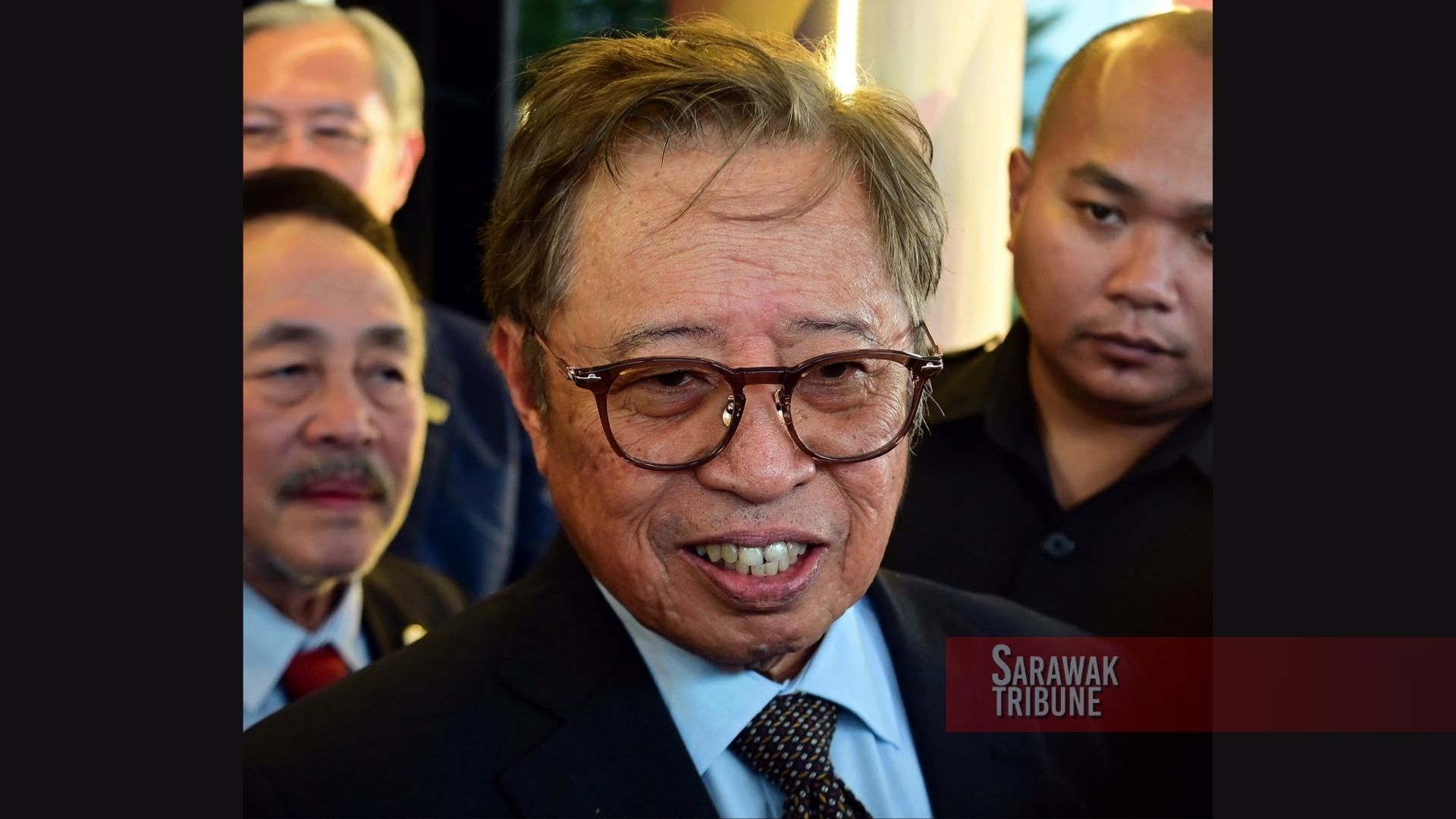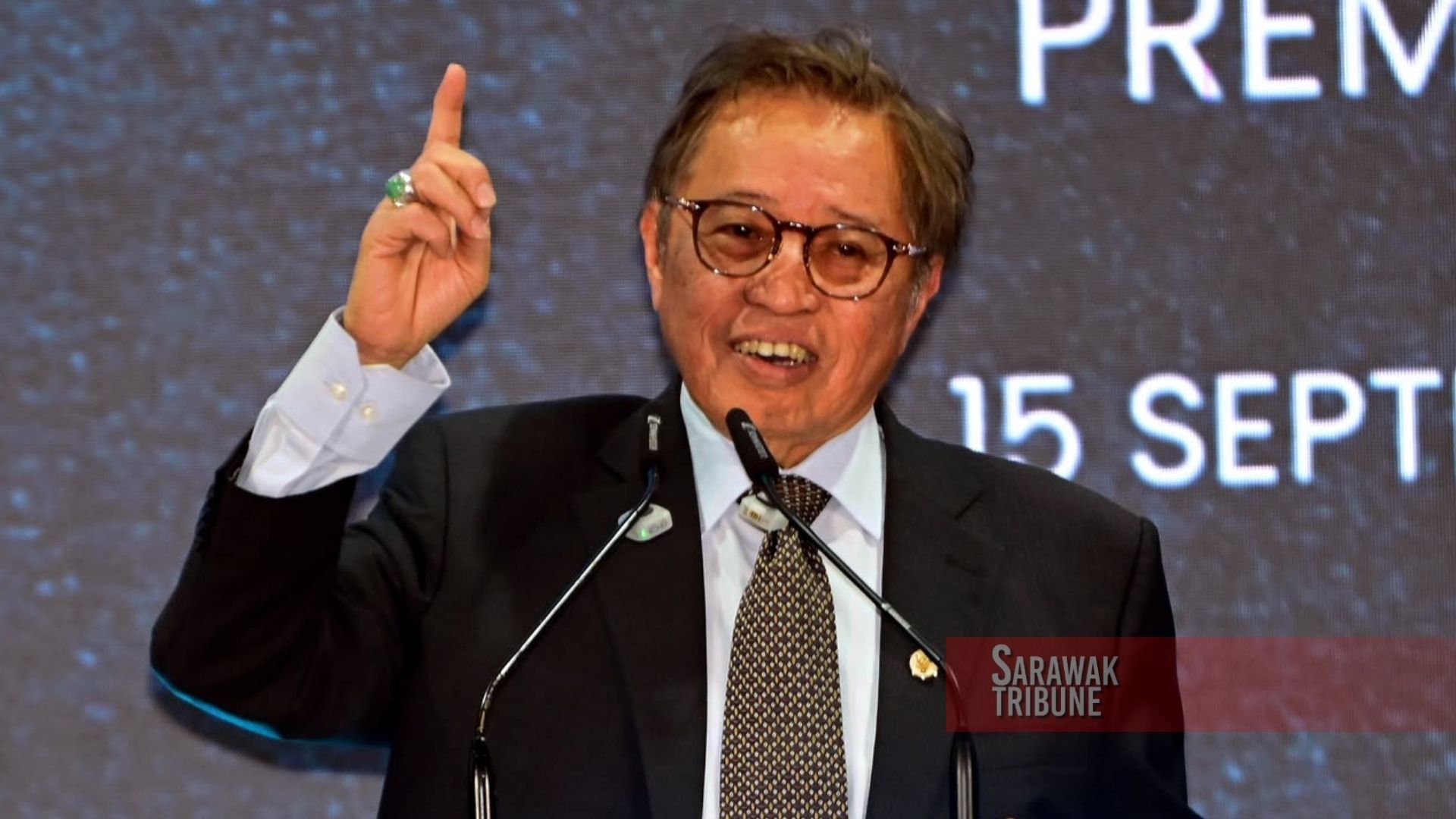
SIBURAN: Sarawak Waste Management Sdn Bhd (SWM) has been praised for its proactive approach in turning waste into valuable resources, in line with Sarawak’s circular economy agenda.
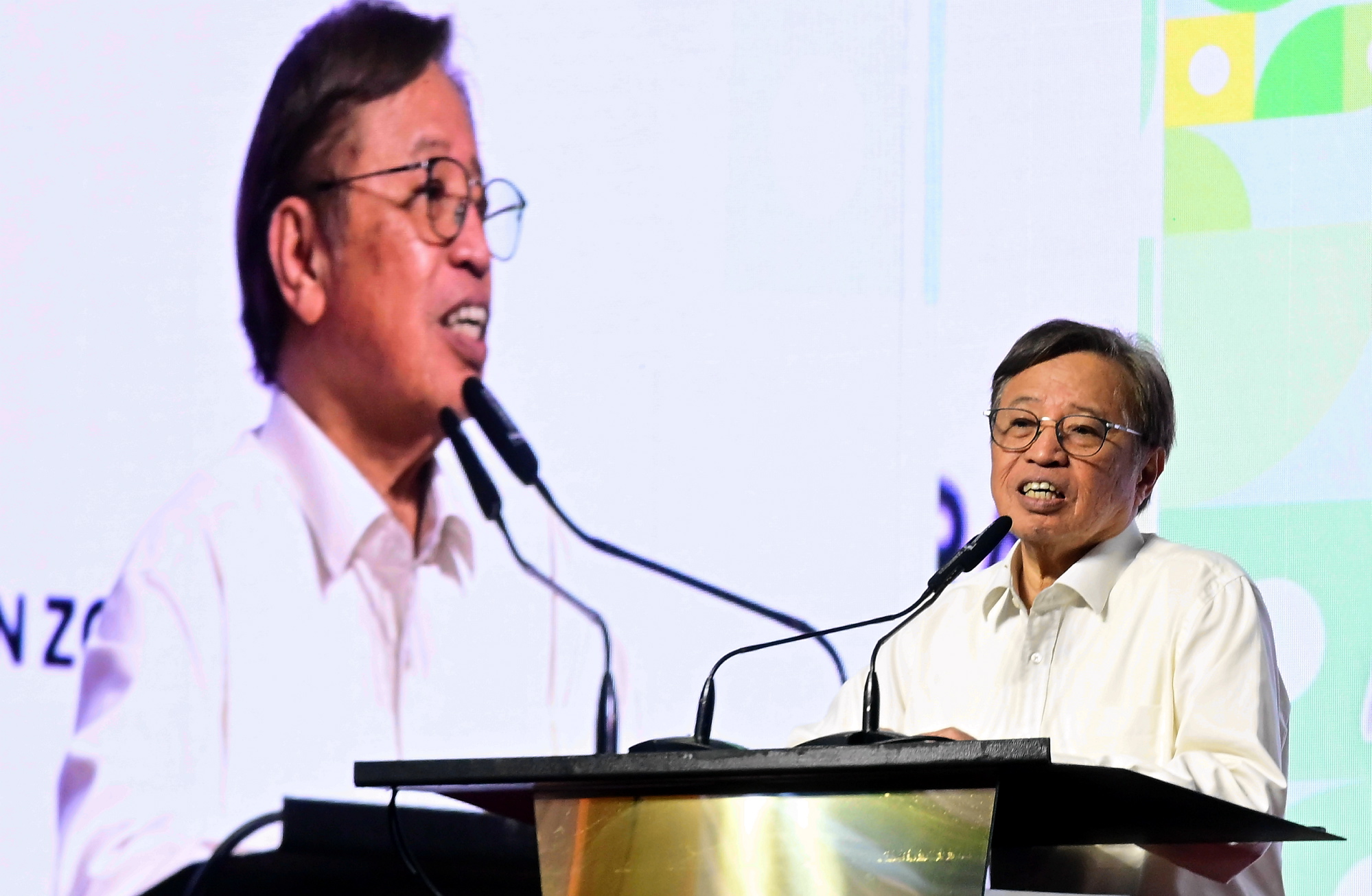
Premier Datuk Patinggi Tan Sri Abang Johari Tun Openg commended the company, saying the state is committed to managing waste sustainably while creating economic opportunities from it.
He said Sarawak is adopting best practices from developed nations in waste management.
“We have a roadmap on how to manage waste, and we use models from Scandinavian countries.
“They have a very efficient way to manage waste and even generate returns.
“Hence, we will focus on managing our own waste sustainably without resorting to importing waste, while leveraging new technologies to turn waste into economic and environmental benefits for the state,” he said.
He said this during an official visit to the Gas-to-Energy Cogeneration Prototype at the Kuching Integrated Waste Management Park in Mambong on Monday.
Abang Johari noted that Kuching currently generates about 700 tonnes of waste daily, a figure expected to rise with population growth and increased consumption.
“With the increase in population and consumption, waste will proportionately increase.
“Today it is 700 tonnes, maybe in 10 years it could be 1,000 tonnes,” he said.
He stressed that waste should no longer be seen as a burden, but as a resource that can be monetised.
“Don’t waste the waste — monetise the waste. It is actually a resource to add value,” he said, noting that materials such as plastics and biomass can be converted into useful products, including energy.
He added that waste naturally produces methane gas, which can be processed to generate electricity and even hydrogen fuel.
“You extract gas from your waste and then convert it into hydrogen, and from hydrogen you can produce electricity.
“These processes not only generate power but also improve air quality.
“From the gas itself, you produce power, and at the same time you clean the air. So there are two products, one is power, the other is cleaner air,” he added.
At the same time, he noted that land constraints and public resistance to landfill sites have made it necessary for Sarawak to explore alternative, technology-driven waste treatment methods.