MIRI: Thirty five secondary school students in the city have been trained as peer educators to help raise awareness of human immunodeficiency virus (HIV), sexually transmitted infections (STIs) and hepatitis, as health authorities step up efforts to empower young people to promote healthier lifestyles among their peers.
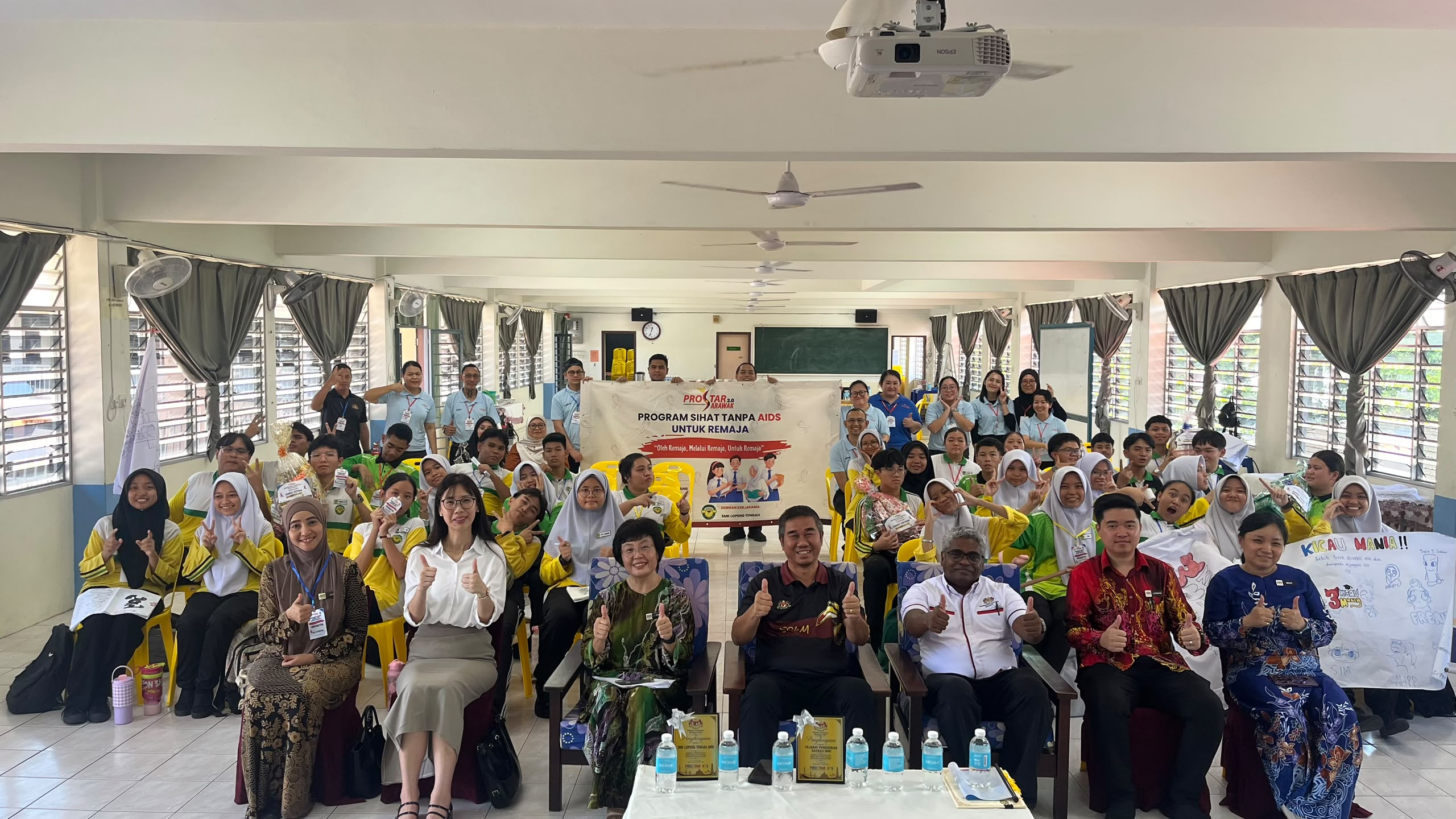
The Form Three and Form Four students completed the three-day Healthy Without AIDS for Adolescents Programme (PROSTAR 2.0) organised by the Miri Divisional Health Office (PKB Miri) in collaboration with the Miri District Education Office (PPD Miri) and SMK Lopeng Tengah from July 7 to 9.
The programme is part of the Ministry of Health’s nationwide initiative to strengthen HIV prevention through peer education under the concept of ‘By Youth, Through Youth, For Youth’, recognising that young people are often best placed to influence positive behaviour among their peers.
Conducted using the PROSTAR 2.0 Module, the programme aimed to enhance participants’ understanding of HIV, sexually transmitted infections and hepatitis while developing leadership, communication and decision making skills. The goal is to equip participants to become confident peer educators capable of sharing accurate health information within their schools and communities.
Throughout the programme, students took part in interactive talks, group discussions, simulations, educational games, communication workshops, character building activities and action planning sessions designed to strengthen teamwork, critical thinking and peer engagement.
The closing ceremony was officiated by Miri Deputy District Education Officer, Grispin Sahah, representing the District Education Officer.
Also present were Miri Divisional Health Officer, Dr P. Raviwharmman Packierisamy; SMK Lopeng Tengah’s Senior Assistant for Administration, Gan Chia Ling, representing the school principal; and Parent Teacher Association’s (PIBG) President, Lim Ai Jing.
The Miri Divisional Health Office thanked the Miri District Education Office and SMK Lopeng Tengah for their close collaboration in making the programme a success.
Health officials said initiatives such as PROSTAR 2.0 play an important role in building a generation of informed, resilient and socially responsible young people who can help reduce the stigma surrounding HIV while encouraging healthier choices among adolescents.
The programme also supports Malaysia’s aspiration to end AIDS as a public health threat by 2030 through sustained education, early awareness and community driven prevention efforts.