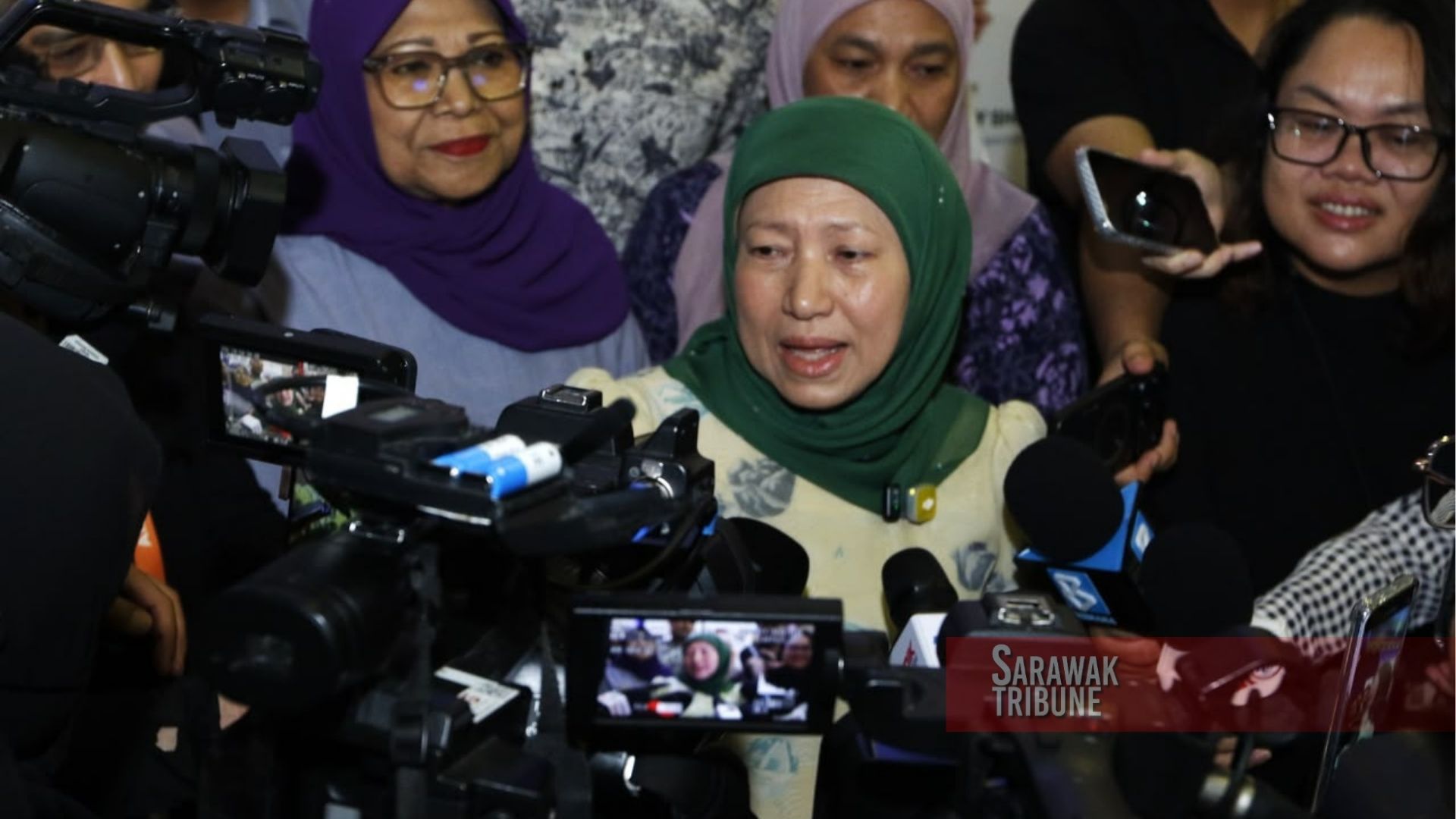
KUCHING: The rising cost of living is making financial readiness a key consideration for young people weighing marriage and parenthood, says Women, Family and Community Development Minister Datuk Seri Nancy Shukri.
She said young people should not be blamed for delaying marriage or choosing to remain childfree when they are not financially prepared to raise a family.
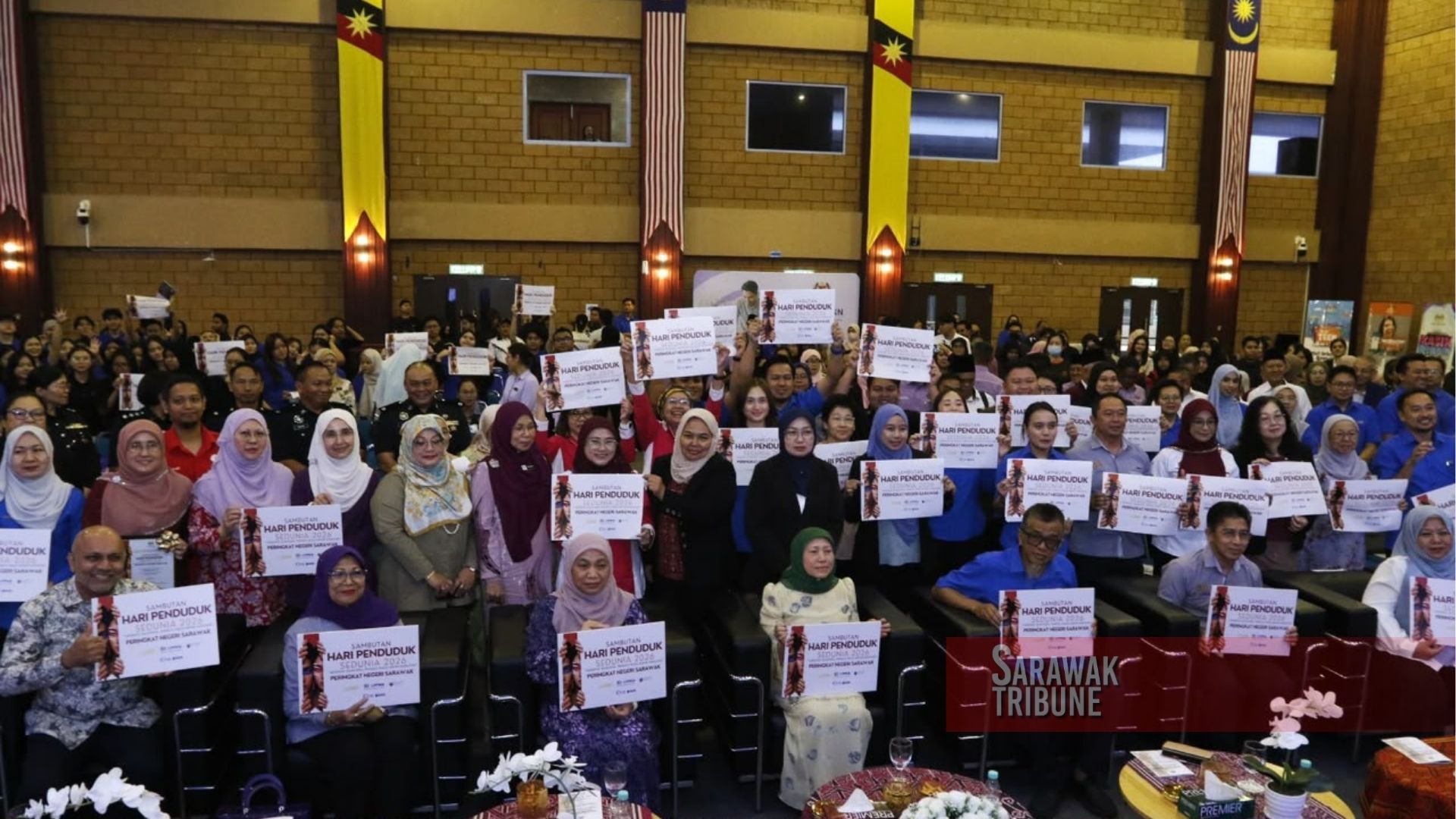
“They carefully consider the decision before getting married because they do not want to have a family that they cannot afford to support,” she said when met by reporters after officiating at the state-level World Population Day 2026 celebration at i-CATS University College’s Stampin campus here on Monday (Sept 7).
Nancy said the government is helping young people prepare through the SMARTSTART premarital education programme, which covers marriage preparation, parenting, household economics and financial management.
Other assistance includes in-vitro fertilisation and intrauterine insemination for couples facing difficulties conceiving, as well as support for male fertility issues.
She said the ministry also offered programmes aimed at strengthening marriages and preventing divorce, including a “second honeymoon” initiative for couples seeking to rebuild their relationship.
Support is also available to families caring for elderly parents and other members requiring assistance through psychosocial services, community-based home care, respite care and the Khidmat Bantu di Rumah programme.
Nancy said such initiatives are intended to prevent caregivers from feeling overwhelmed while assuring young people that support would be available when they assumed family responsibilities.
Meanwhile, for rural and hard-to-reach communities, she said the ministry adopted the principle of bringing services directly to the people instead of waiting for them to seek assistance.
Its outreach efforts include Kembara Warga and Kembara KASIH, which bring welfare, family and health services to communities throughout Sarawak.
As of Aug 31, Sarawak had 1,417 welfare volunteers comprising 480 men and 937 women, while the nationwide network stood at 7,397 volunteers.
Nancy said the number would continue to grow, particularly in areas not yet adequately covered, with larger villages requiring more than one volunteer to identify eligible residents and connect them with assistance.
“If they cannot reach us, we must find a way to reach them because we do not want the people to face difficulties in obtaining the services they need,” she said.