KUCHING: Any national policy involving the relocation or acceptance of Rohingya refugees into Sarawak must involve meaningful consultation with the Sarawak government and respect the state’s constitutional rights under the Malaysia Agreement 1963 (MA63).
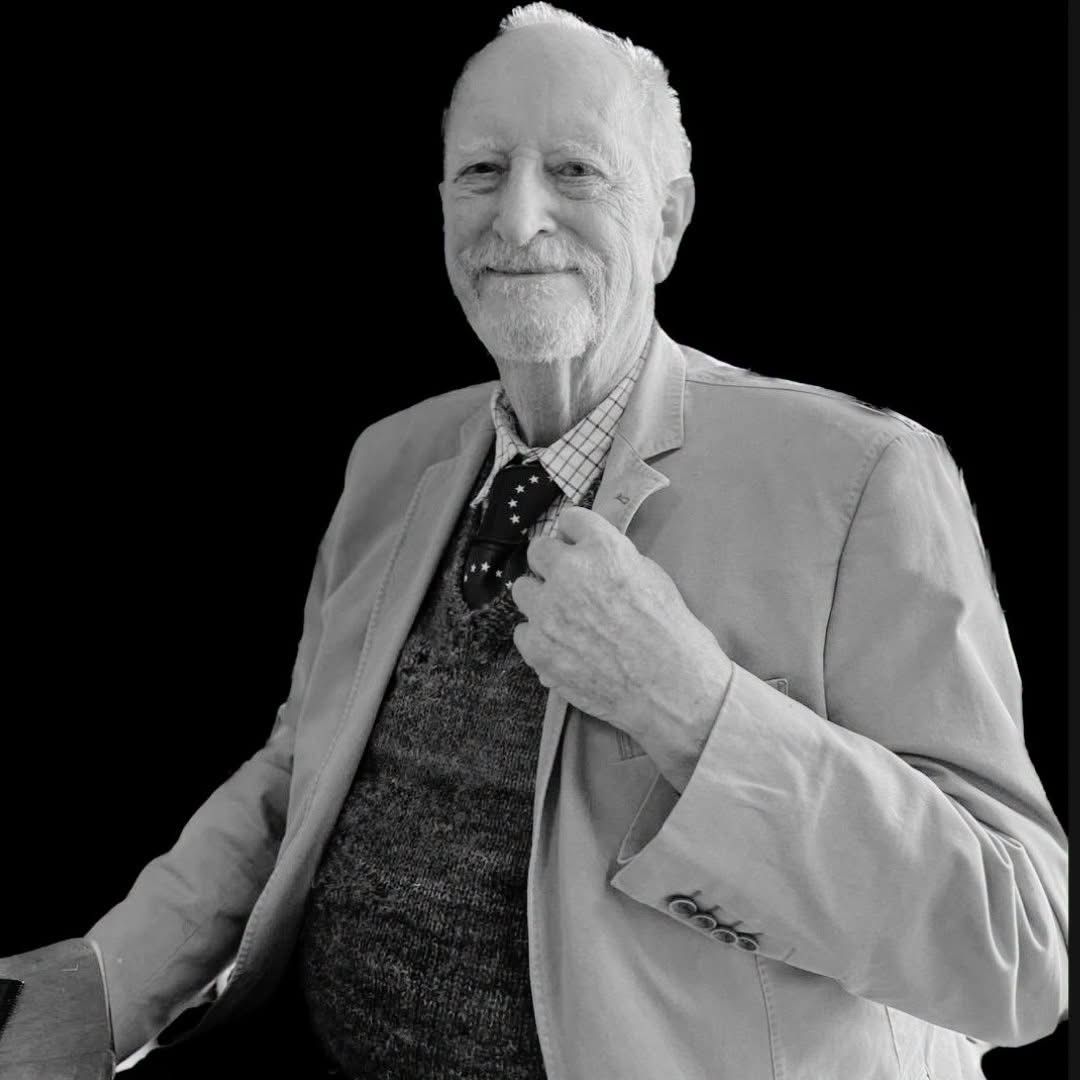
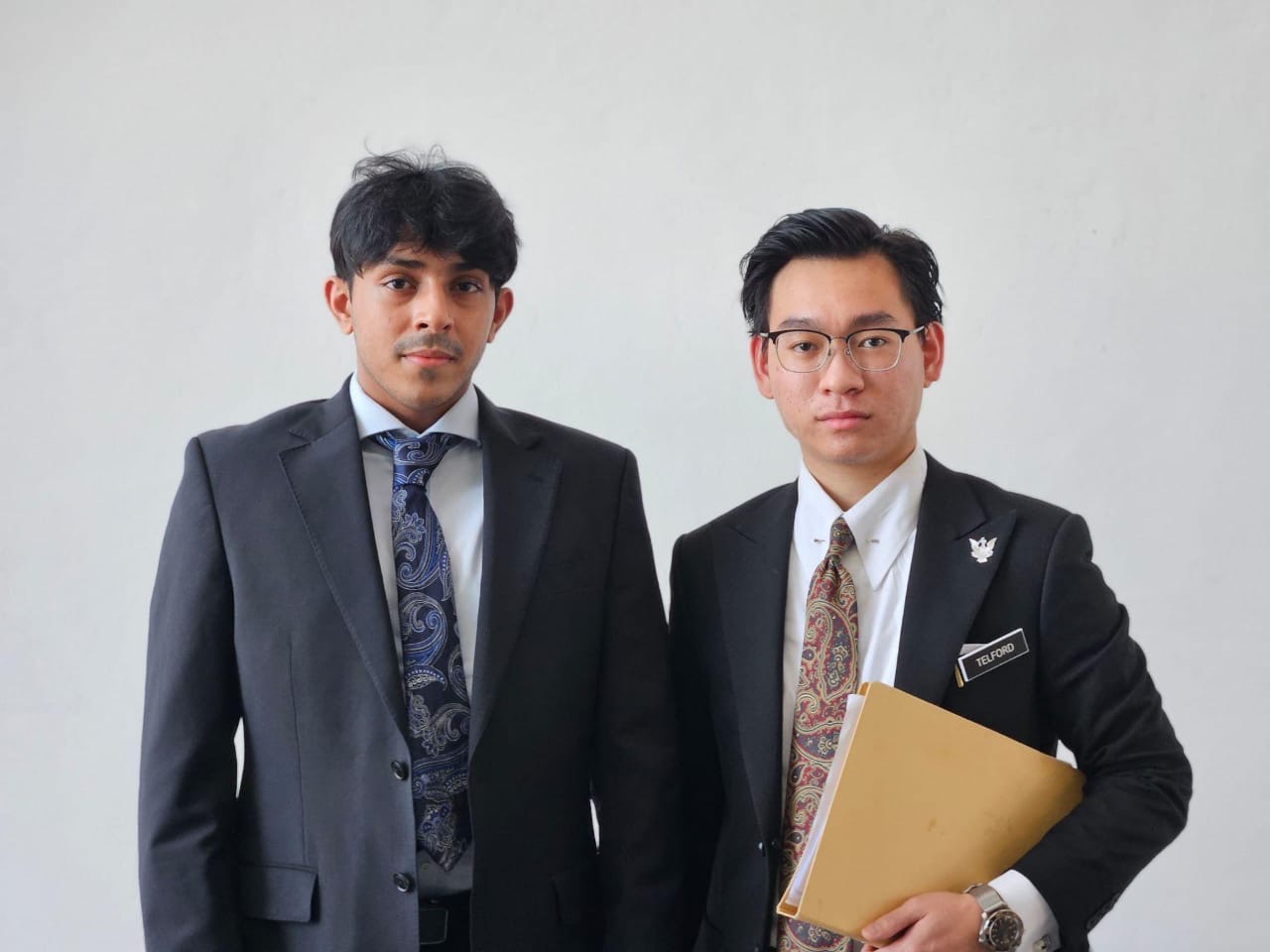
In a joint statement, lawyer Sidharth Shankar Asnani, and Sarawak youth representative to UNICEF’s Youth and Young People’s Advisory Group (YPAG) Malaysia Telford Engan Tan,
said public discussions on the issue should move beyond the simplistic question of whether Sarawak should accept or reject refugees and instead focus on governance, legal considerations and long-term planning.
The statement comes against the backdrop of Sarawak’s consistent position on immigration matters, with Tourism, Creative Industry and Performing Arts Minister Datuk Seri Abdul Karim Rahman Hamzah previously reiterating that Sarawak does not accept Rohingya refugees, stressing that the stance is not based on a lack of compassion but on concerns over long-term social and economic impact, orderly refugee management, and the need to prevent unmanaged settlements, while noting that Sarawak has maintained this position since 2017 and continues to extend humanitarian assistance when necessary.
Tan stressed that Sarawak should not be sidelined in decisions that could affect the state’s security, welfare capacity, local communities and future development.
“Sarawak must have a seat at the table. Any national policy involving refugees must include meaningful consultation with the Sarawak government and relevant state institutions before decisions affecting Sarawak are made,” he said.
He added that Sarawakians were entitled to seek clarity on matters such as refugees’ legal status, employment opportunities, economic contribution and the funding of healthcare, education and welfare support.
“Compassion must be matched with planning,” he said, adding that such concerns should be viewed as responsible governance rather than hostility towards refugees.
Tan also emphasised that defending Sarawak’s rights and showing compassion towards vulnerable communities were not mutually exclusive.
“We can defend Sarawak’s autonomy without attacking the dignity of others. Refugees are human beings, and their struggles are real,” he said.
Meanwhile, Sidharth said Sarawak’s position was supported by both the Immigration Act 1959/63 and the Federal Constitution, which recognise the special immigration powers of the East Malaysian states.
He pointed to the 2002 Federal Court decision in the Pihak Berkuasa Negeri Sabah v Sugumar Balakrishnan case, which affirmed immigration control as a fundamental safeguard for Sabah and Sarawak under MA63.
“In view of this, it is legally and constitutionally unsound to suggest that decisions involving the entry of non-citizens, refugees or displaced persons may be made without meaningful consultation with Sarawak,” he said.
While supporting cooperation between the federal and state governments on humanitarian and migration matters, Sidharth said any policy must remain consistent with the legal framework governing Sarawak’s immigration autonomy.
“The federal and Sarawak governments ought to cooperate on humanitarian and migration issues, but cooperation does not entail the bypassing of Sarawak’s autonomy,” he said.