A baby hatch is often misunderstood as a place where mothers leave their children behind.
But for Pertubuhan Pembangunan Insan Sarawak (PPIS), it represents something far greater — a door of hope that opens when someone feels there is nowhere else to turn.
It is not a place of abandonment. It is a place of protection, compassion and second chances — where vulnerable mothers can find a safe option, and where every newborn is given the most fundamental gift of all: the chance to live.
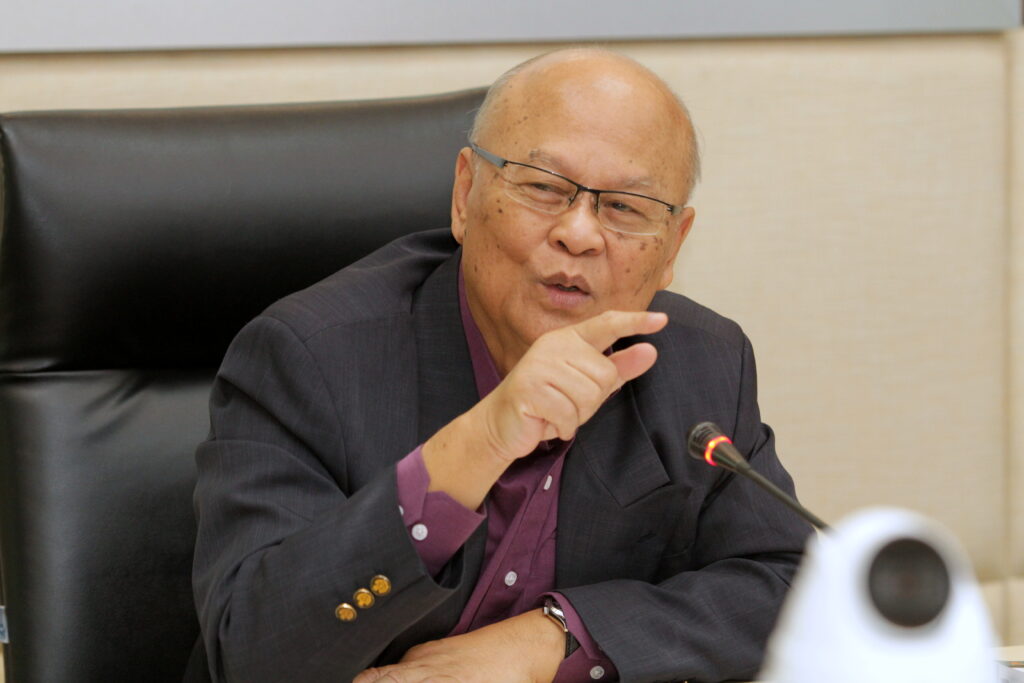
“Every life is precious, and compassion must always come before judgment,” said PPIS president Manjeet Kaur Sidhu, as the organisation moves forward with plans to develop Sarawak’s first proposed residential-based Baby Hatch.
A new chapter in child protection
The proposed Dawn Hope Baby Hatch is not simply about creating a facility to receive abandoned babies. It is about establishing a comprehensive support system where vulnerable mothers and newborns are surrounded by care, protection and professional intervention.
The initiative follows the establishment of Dawn Hope Care Centre (Shelter) in February 2025, Sarawak’s first registered transit shelter for pregnant girls and young women facing crisis pregnancies.
Operated by PPIS, the shelter provides temporary accommodation, counselling, psychosocial support, healthcare referrals, life-skills development and case management for women experiencing difficult circumstances, including abuse, family rejection, homelessness and financial hardship.
Through its experience supporting women in crisis, PPIS recognised an urgent reality — protecting babies begins with supporting mothers before desperation turns into tragedy.
From crisis to care: Building a collective solution
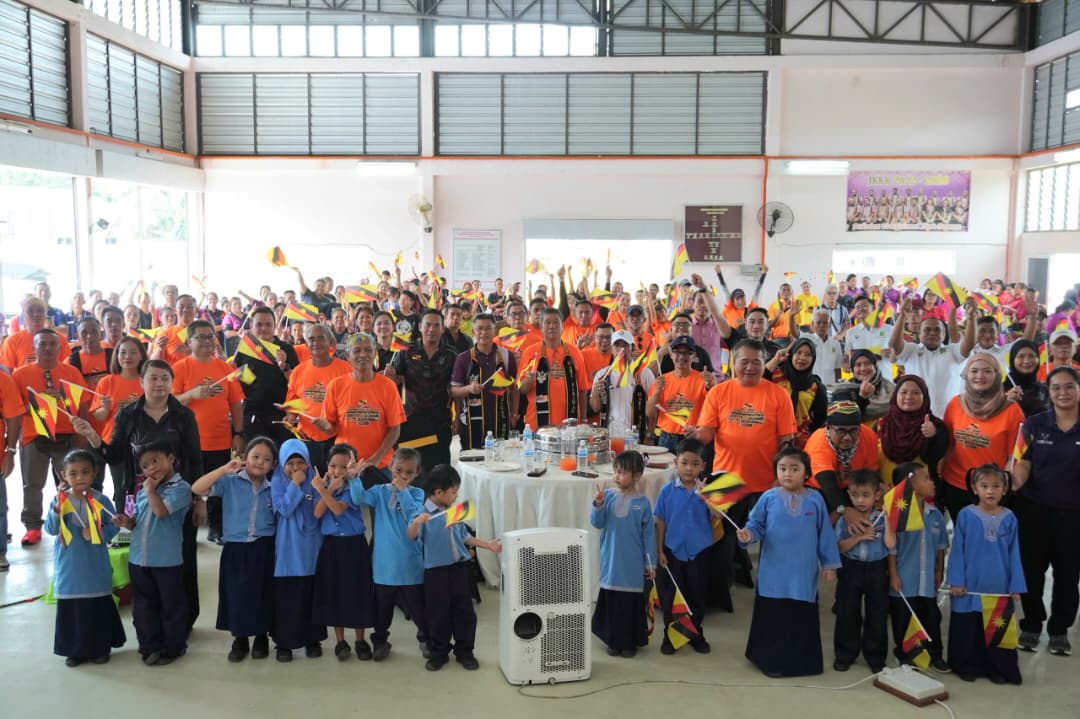
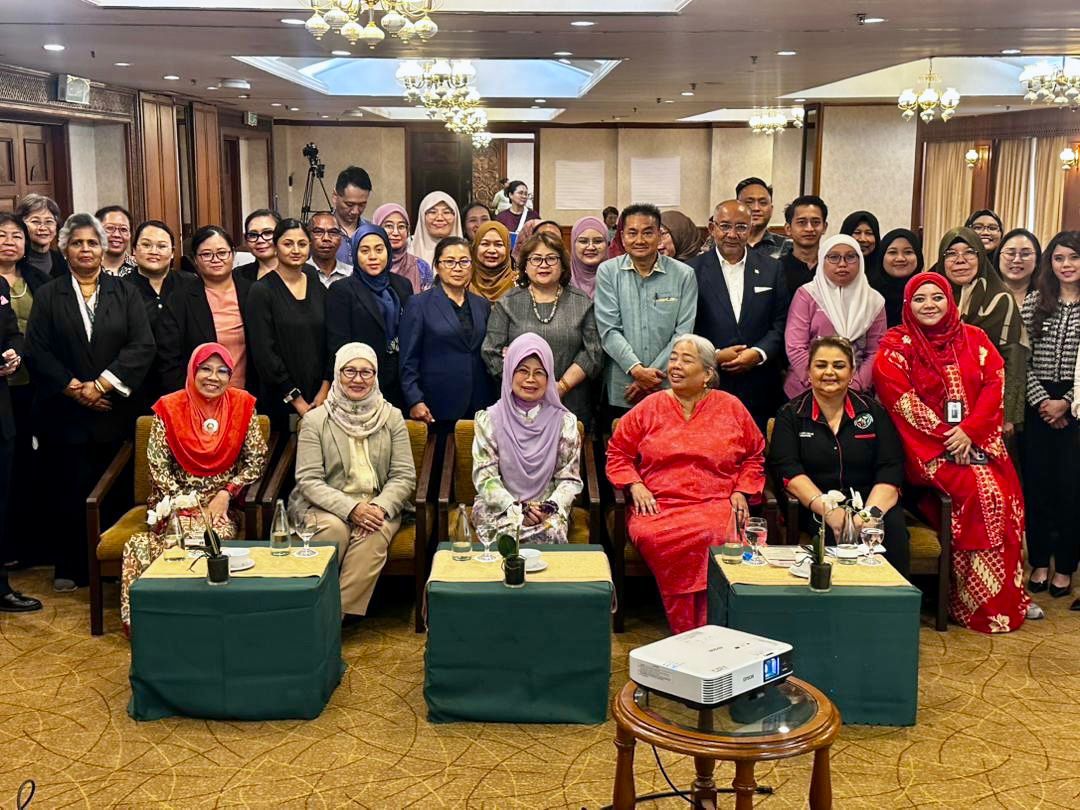
On June 25, 2026, PPIS brought together 70 representatives from government agencies, healthcare institutions, law enforcement, legal professionals, academia, civil society organisations and community partners for the ‘From Crisis to Care: Dawn Hope Baby Hatch Kuching SOP Workshop and Stakeholder Consultation Session’ at Grand Margherita Hotel, Kuching.
The consultation brought together key stakeholders from the women, children and community wellbeing sectors, including healthcare professionals, the Social Welfare Department (JKM), Royal Malaysia Police (PDRM), Fire and Rescue Department Malaysia (Bomba), legal practitioners, universities and community organisations.
The workshop was not an announcement of a completed Baby Hatch, but an important step towards ensuring that any future implementation is guided by strong governance, proper safeguards and compliance with Malaysian child protection standards.
The session was officiated by Yayasan Sime Darby chief executive officer Datuk Dr Yatela Zainal Abidin, while the closing ceremony was officiated by Minister of Women, Childhood and Community Wellbeing Development Datuk Seri Fatimah Abdullah.
The proposed initiative is supported through collaborative efforts involving the Ministry of Finance Malaysia, Yayasan Sime Darby, the Government of Sarawak and relevant agencies, with Yayasan Sime Darby managing funding support for PPIS.
A residential approach: More than just a safe place
For Manjeet, the decision to pursue a residential-based model is rooted in one simple belief — the environment matters.
“A residential Baby Hatch is not simply a place where babies are received. It is a place where lives can begin again, with dignity, protection and hope,” she said.
She explained that unlike a standalone Baby Hatch, a residential model allows immediate access to trained caregivers, counselling services, healthcare support and a coordinated response system.
“Behind every mother who reaches a Baby Hatch is a story — perhaps of fear, rejection, abuse, poverty, abandonment or simply feeling completely alone,” she said.
“No woman dreams of standing at that crossroads. Most arrive there because life has left them believing they have no safe way forward.”
The proposed residential setting allows the focus to extend beyond the newborn.
“It is not only about the baby. It is also about the mother. Our first response should never be to ask, ‘Why did this happen?’ Our first response should be, ‘How can we help?’”
Protecting babies, supporting mothers
Manjeet stressed that the proposed Baby Hatch is not intended to encourage abandonment, but to provide a safe alternative when a mother feels she has no other option.
“Every child deserves a chance to live. Every mother in crisis deserves a chance to receive help.
“Our responsibility is not only to respond after tragedy happens, but also to ensure safe options and timely support are available before it does,” she said.
She added that whenever possible, PPIS hopes to help mothers regain confidence and stability to raise their children safely.
However, when that is not possible, every decision must be guided by compassion and the child’s best interests.
“Sometimes, saving a baby’s life begins with saving a mother’s hope.”
More than 70 SOPs to safeguard every life
Before any future implementation, PPIS is developing a comprehensive Standard Operating Procedure (SOP) framework covering governance, neonatal care, emergency response, medical referrals, confidentiality, legal procedures, adoption pathways, documentation and inter-agency coordination.
Manjeet emphasised that the consultation process was about collective responsibility.
“The recent workshop was never about seeking approval for a completed plan. It was about listening to concerns, professional advice, recommendations and the collective wisdom of those entrusted with protecting children.”
“We want these SOPs to reflect shared ownership, collective expertise and the highest standards of safeguarding.”
Changing the conversation from judgment to compassion
For many mothers facing crisis pregnancies, the greatest barrier is often not the absence of services, but the fear of being judged.
“When society points fingers, mothers hide. When mothers hide, babies become vulnerable,” said Manjeet.
She believes a compassionate society must create safe spaces where mothers know they can seek help without fear.
“Instead of asking, ‘How could she do this?’, perhaps we should ask, ‘What happened to her, and how can we help?’
“Compassion saves lives. Judgment never has.”
A future built on hope
The proposed Dawn Hope Baby Hatch represents the continuation of PPIS’ mission — ensuring no vulnerable mother faces crisis alone and no child loses the opportunity to live because of circumstances beyond their control.
Manjeet’s message to mothers in crisis is clear:
“You are not alone. Your situation does not define your worth. Your mistakes do not define your future.
“There are people who want to help you — not to judge you, not to shame you, but to walk beside you.”
The proposed Dawn Hope Baby Hatch is expected to be ready by October 2026, following the completion of all necessary documentation, approvals and operational requirements.
PPIS stressed that every process must be carefully established before the facility begins operations to ensure the highest standards of safety, accountability and child protection.
“We are targeting to have the Baby Hatch ready by October. However, before we begin operations, all necessary documents, SOPs and requirements must be fully completed.
“This is not just about opening a facility. It is about ensuring that when the door opens, every baby and every mother receive the right protection, care and support,” said Manjeet.
As Sarawak moves towards developing its first residential-based Baby Hatch, the message remains simple:
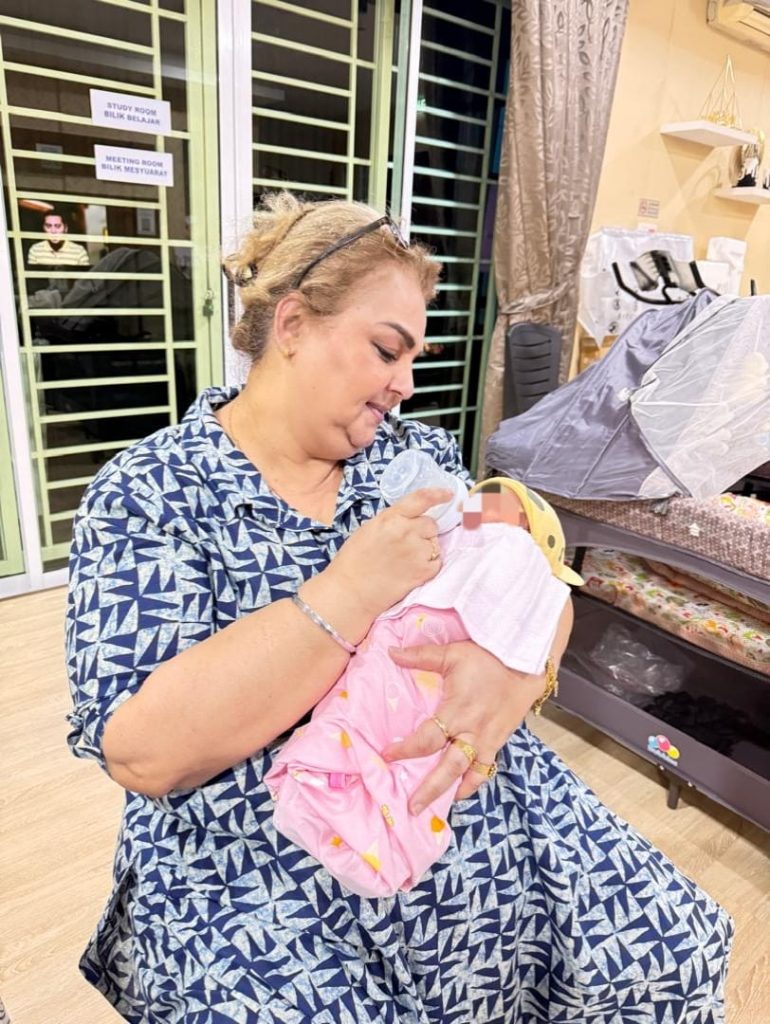
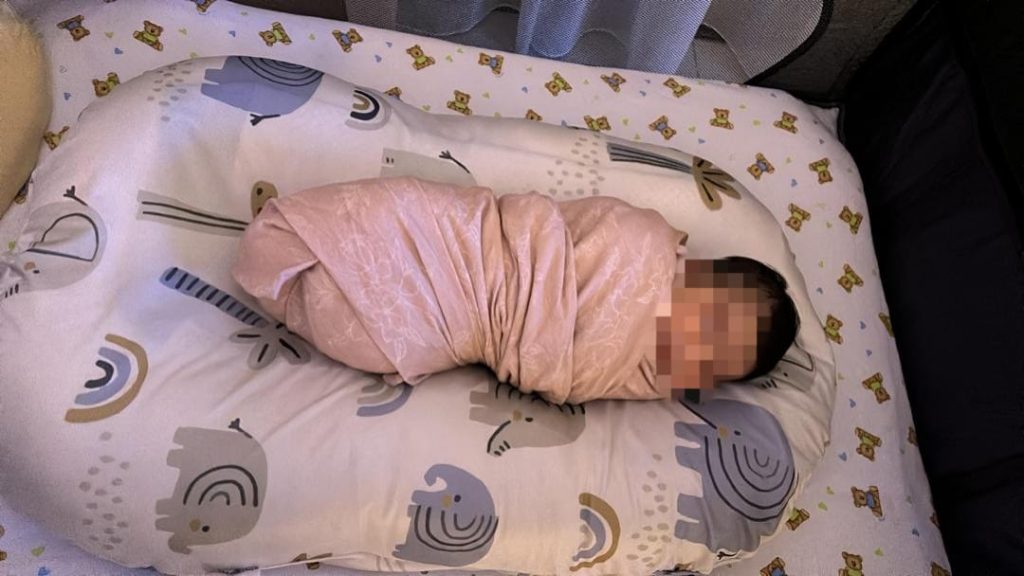
Hope must come before crisis becomes tragedy. Because when compassion leads, lives are changed forever.