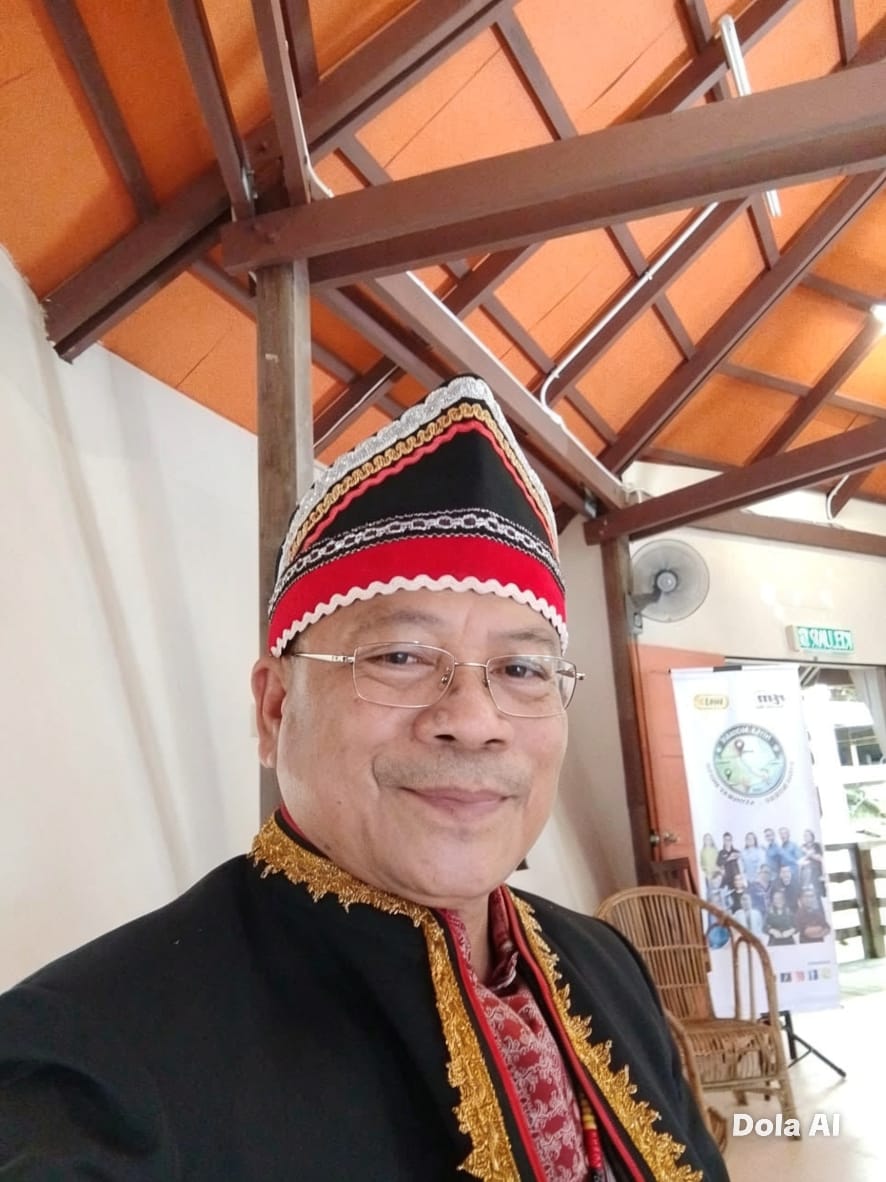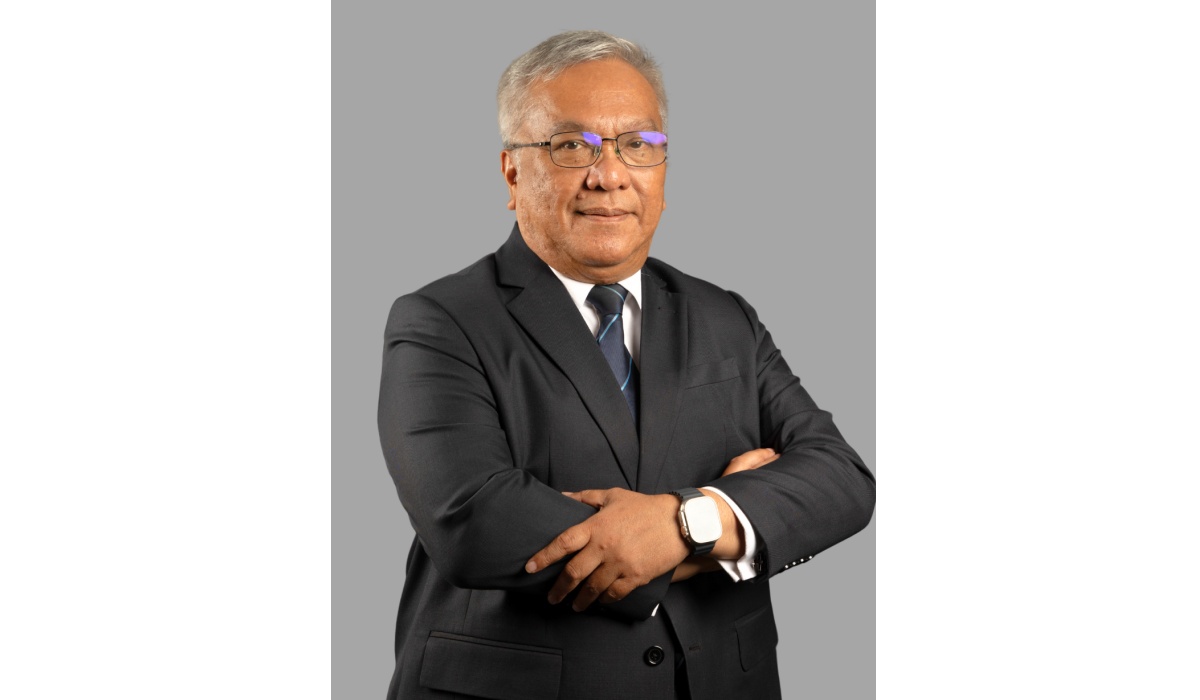
Human capital development must keep pace with Sarawak’s rapid economic transformation, with all stakeholders playing a vital role in preparing a future-ready workforce capable of driving the state’s next phase of growth, said i-CATS University College Vice-Chancellor Professor Emeritus Datuk Dr Kadim Suaidi.
He said Sarawak’s ambition to become a leading innovation-driven economy through sectors such as the digital economy, renewable energy, aerospace, advanced manufacturing and artificial intelligence (AI) must be supported by a workforce equipped with the right skills, adaptability and mindset.
“Reflecting on Sarawak’s remarkable transformation over the past few years, we are encouraged by the bold vision of Premier Datuk Patinggi Tan Sri Abang Johari Tun Openg that is shaping our state’s future.
“However, one question remains: Are we developing our people as quickly as we are developing our industries?” he said in an interview with Sarawak Tribune.
Dr Kadim said while infrastructure can be built, investments attracted and policies formulated, no economy can rise above the quality of its human capital.
He noted that Sarawak has made commendable progress in strengthening higher education, particularly in science, technology, engineering and mathematics (STEM) and Technical and Vocational Education and Training (TVET), while forging closer collaboration between education institutions and industry.
“Education can no longer operate in isolation from the economy. Universities and training institutions must become strategic partners in nation-building, working hand in hand with industry to design and develop curricula, provide meaningful workplace experiences, embrace emerging technologies and nurture graduates who are ready to contribute from day one,” he said.
However, he stressed that the rapid pace of technological advancement requires Sarawak to move faster in preparing its workforce.
“The workforce of tomorrow will not be defined merely by academic qualifications. It will be measured by adaptability, creativity, digital fluency, problem-solving ability, resilience and a commitment to lifelong learning.
“As technology continues to redefine every sector, the jobs our children will hold in the future may not even exist today. This presents both an extraordinary opportunity and an urgent responsibility,” he said.
Dr Kadim said future readiness also goes beyond technical competency, with employers increasingly seeking graduates who can communicate effectively, lead diverse teams, think critically, solve complex problems and innovate with confidence.
“These qualities will distinguish those who merely seek employment from those who create opportunities for others,” he said.
He said Sarawak’s shift towards a green economy, smart industries and a knowledge-based economy would create exciting career opportunities in engineering, digital technologies, biotechnology, aerospace, environmental sustainability, advanced manufacturing and entrepreneurship.
“Our greatest challenge is ensuring that every young Sarawakian, regardless of background or location, has access to the education and training needed to seize these opportunities,” he said.
Dr Kadim reiterated that building a future-ready workforce requires a collective commitment from the government, educators, industry players, parents and students.
“Developing a future-ready workforce is not the responsibility of government alone. Each has a role to play in building a culture that values excellence, innovation and continuous learning,” he said.
He said Sarawak’s future success would not be measured solely by the number of factories built, technologies adopted or investments attracted, but by whether the state has empowered a generation of Sarawakians capable of leading the future.
“After all, the most valuable resource any nation possesses is not what lies beneath its soil, but the talent, character and potential of its people,” he said.