SARIKEI: Sarawak’s efforts to boost local rice production through new agricultural technology have attracted interest from Brunei and Indonesia.
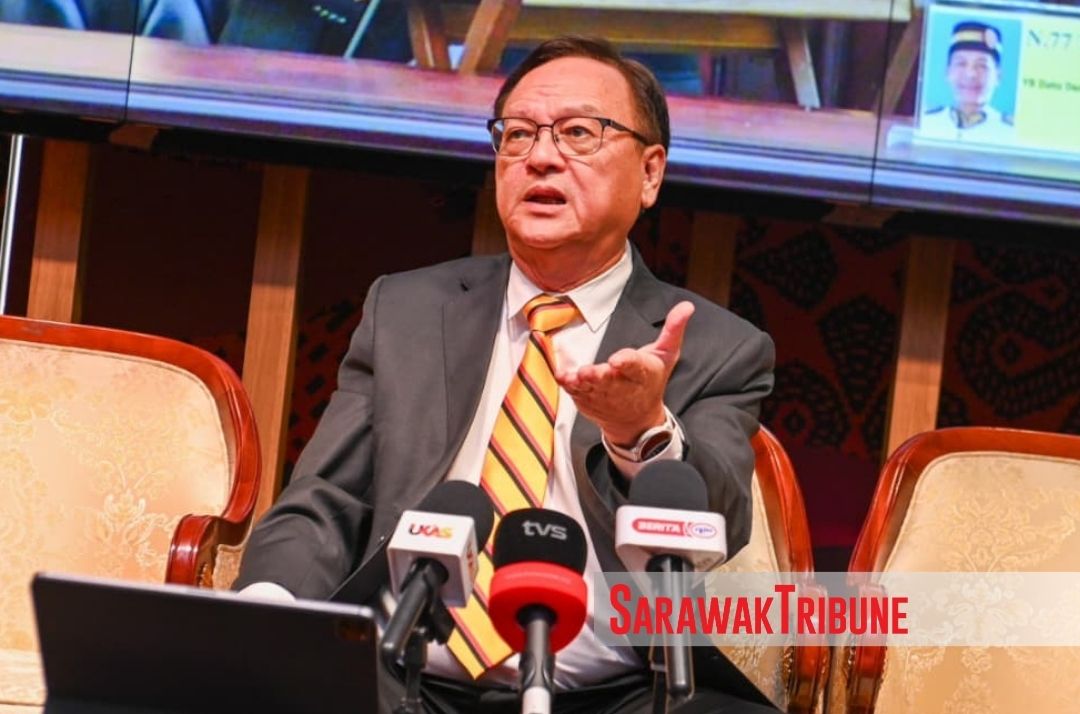
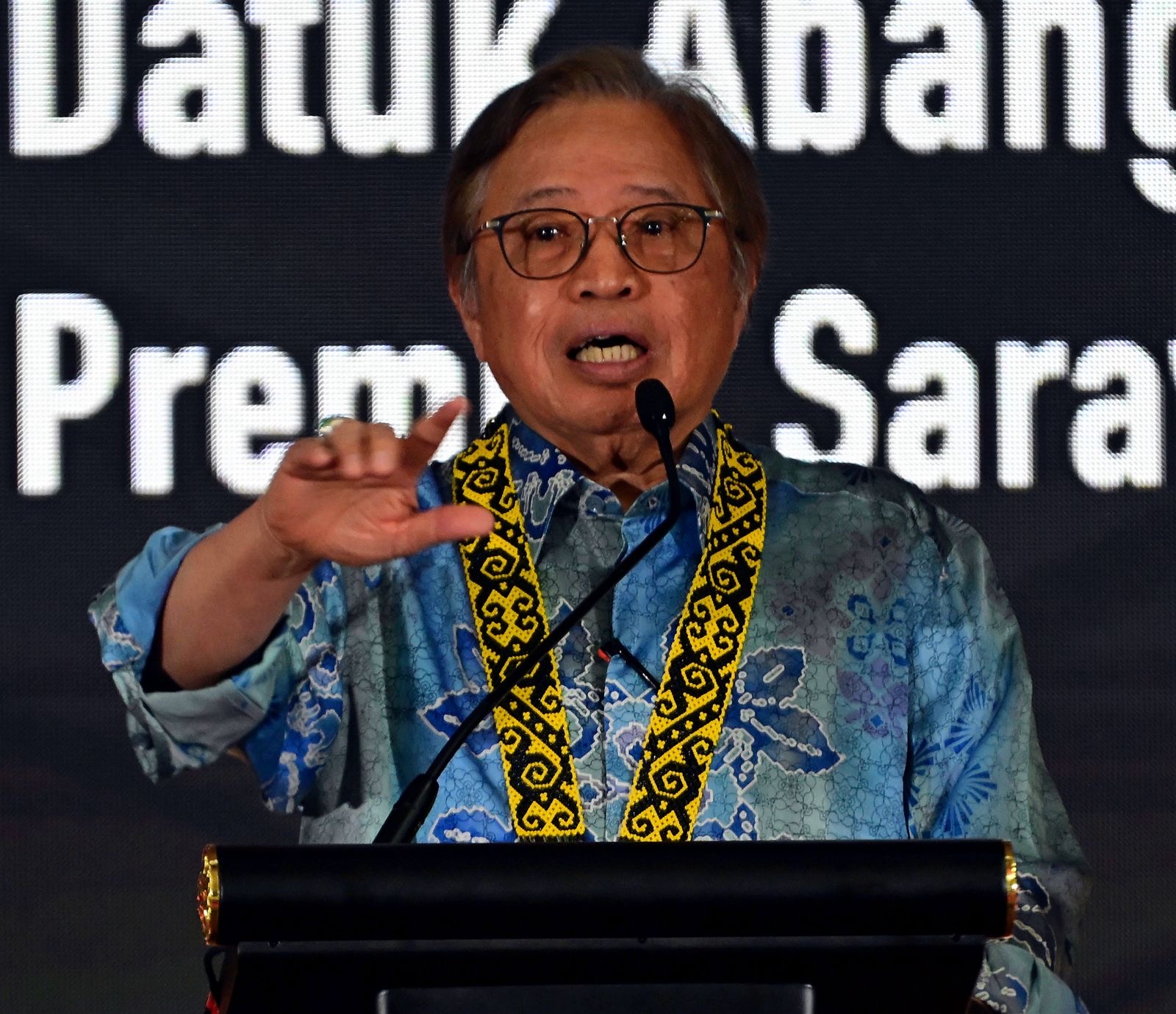
Premier Datuk Patinggi Tan Sri Abang Johari Tun Openg revealed that the neighbouring countries have expressed interest in visiting Sarawak to see the rice cultivation technology being implemented in Kuala Baram.
He said the technology allows the rice plants to be cut at a lower level during harvesting, after which new shoots emerge and mature into another crop within about three months.
He also said the technology could produce up to 14 tonnes of padi per hectare over two seasons.
“Today, I received messages from Universiti Putra Malaysia (UPM), Kedah, Brunei and Indonesia wanting to come to Sarawak to see our rice. So I told the Land Custody and Development Authority (LCDA) to let them come and see,” he said
He said this when speaking at the ‘Majlis Makan Malam Pemimpin Bersama Ketua Kaum dan Masyarakat Bahagian Sarikei’ event on Friday (Aug 7) night.
For Sarawak, Abang Johari said increasing domestic rice production had become particularly important as only about 21 per cent of its rice requirements were currently met through local production, with the remainder imported.
“We only have 21 per cent locally produced rice in Sarawak and the rest we import. My concern is, if because of the weather other countries can no longer produce rice, where are we going to get our rice from?” he said.
Abang Johari cited major floods in Bangladesh and Pakistan as examples of how changing climatic conditions could affect agricultural production and, consequently, food security.
He said these uncertainties meant Sarawak had to explore ways to increase its own rice production rather than remain heavily dependent on external supplies.
He also said the state had already been experimenting with different approaches to improving yields, including trials in Gedong using different rice varieties.
“I tried it in Gedong using a different variety. In the end, we managed to produce eight tonnes from one hectare and five seasons within 24 months.
“Normally, our farmers produce about 1.3 tonnes per hectare. Alhamdulillah, the yield has increased, but we still have to plant again,” he said.
Abang Johari said this was where the newer technology being implemented in Kuala Baram offered further potential, as the plants could produce new shoots after harvesting without requiring conventional replanting.
He said Sarawak has also been working with Yunnan University, China as part of its efforts to explore agricultural technology that could strengthen local food production.
“Alhamdulillah, we now have a new technology. We are collaborating with a university from China.
“If we look at China, it has a population of more than one billion, yet China does not have a problem with food. That is because it has the technology,” he said.
Abang Johari said strengthening Sarawak’s agricultural capabilities would therefore require not only technology, but also people equipped with the necessary scientific knowledge.
He cited biology and fertiliser development as among the areas young Sarawakians would need to understand as the state moves towards more technology-driven food production.
“We must have knowledge. That is why I want to emphasise the importance of education and new knowledge, where we use technology to produce food as well as strengthen our economic sectors,” he said.