KUCHING: Vocational education, once perceived as a fall-back option, now draws more than three applicants for every available place at the country’s 84 vocational colleges.
Applications to vocational colleges rose from 28,098 in 2022 to 58,263 in 2026 – a 107 per cent increase in just four years.
Against an intake capacity of only 17,912 seats, that translates to roughly 3.25 applicants competing for every available place, with an acceptance rate of approximately 30.8 per cent.
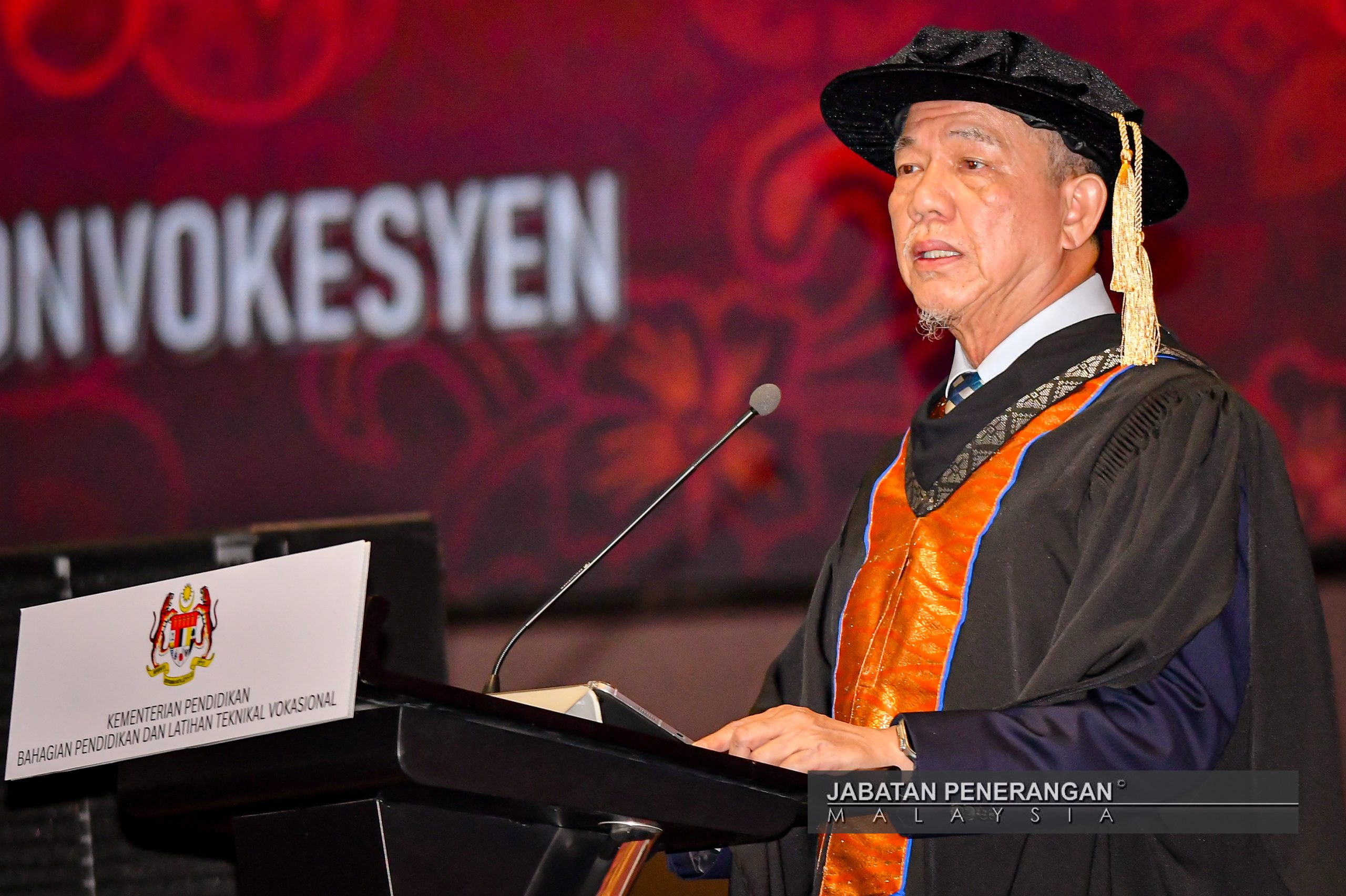
At the final instalment of the three-leg 10th Vocational College Convocation here today (April 18), Deputy Prime Minister Datuk Amar Fadillah Yusof acknowledged the growing trend for technical and vocational (TVET) education.
In his address, Fadillah who presided at the convocation emphasised that the combination of rising application rates, record graduate counts, and a strong global jobs outlook positions Malaysia’s TVET pipeline not only as an expanding one – but a maturing one.
“TVET has firmly established itself as a mainstream pillar of national education – and the leading pathway to success for the next generation of Malaysians,” he said.
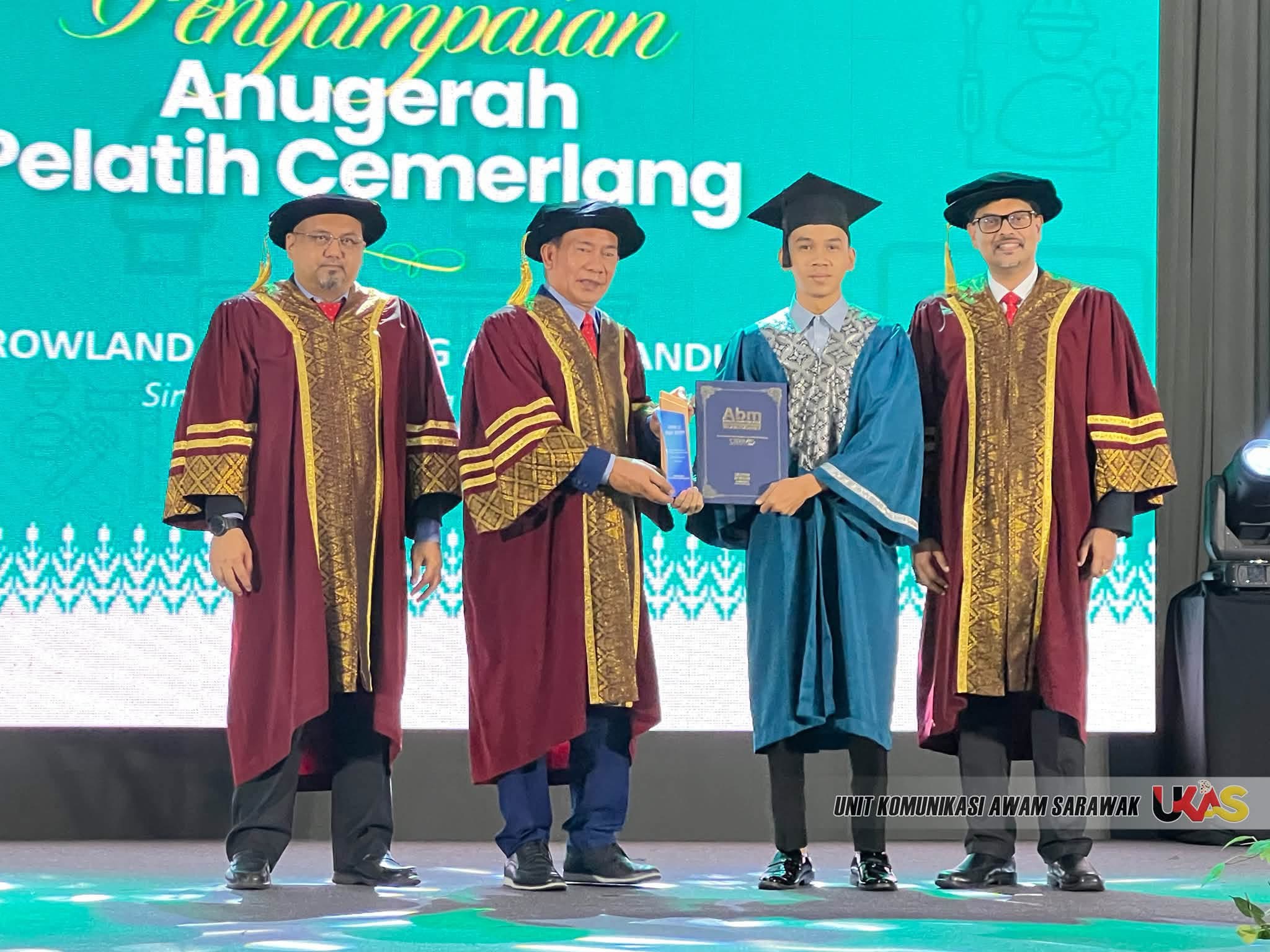
The convocation, held at Hikmah Exchange Event Centre here, formalised 10,808 new diploma holders from 84 colleges across 32 programmes in the country, bringing the cumulative ten-year total to 103,902 graduates – a full 15.4 per cent above the original national target.
Fadilah, who is also Minister of Energy Transition and Water Transformation, said the holding of the ceremony marks a meaningful piece of history for all parties involved.
“Since its implementation in 2016 up to last year, the total number of vocational college graduates eligible to graduate has reached 103,902.
“This means the number of graduates from vocational colleges has surpassed the target set in the Education Development Plan (PPPM) 2013-2025 of 90,000 graduates,” he said.
The National TVET Policy 2030 targets TVET as the primary career pathway – a goal the demand data suggests is already being realised at the grassroots level.
The World Economic Forum’s Future of Jobs Report 2025 projects 170 million new jobs globally by 2030, concentrated in artificial intelligence, renewable energy, and the green economy – sectors where TVET graduates hold a direct technical advantage.
Malaysia’s ‘Rancangan Pendidikan Malaysia (RPM) 2026-2035’ carries a mandate to produce “future-proof” TVET talent, ready for Industry 5.0’s human-technology collaboration economy.
The plan targets high-growth, high-value (HGHV) sectors in line with the 13th Malaysia Plan, shifting the profile of TVET output beyond graduate numbers alone.