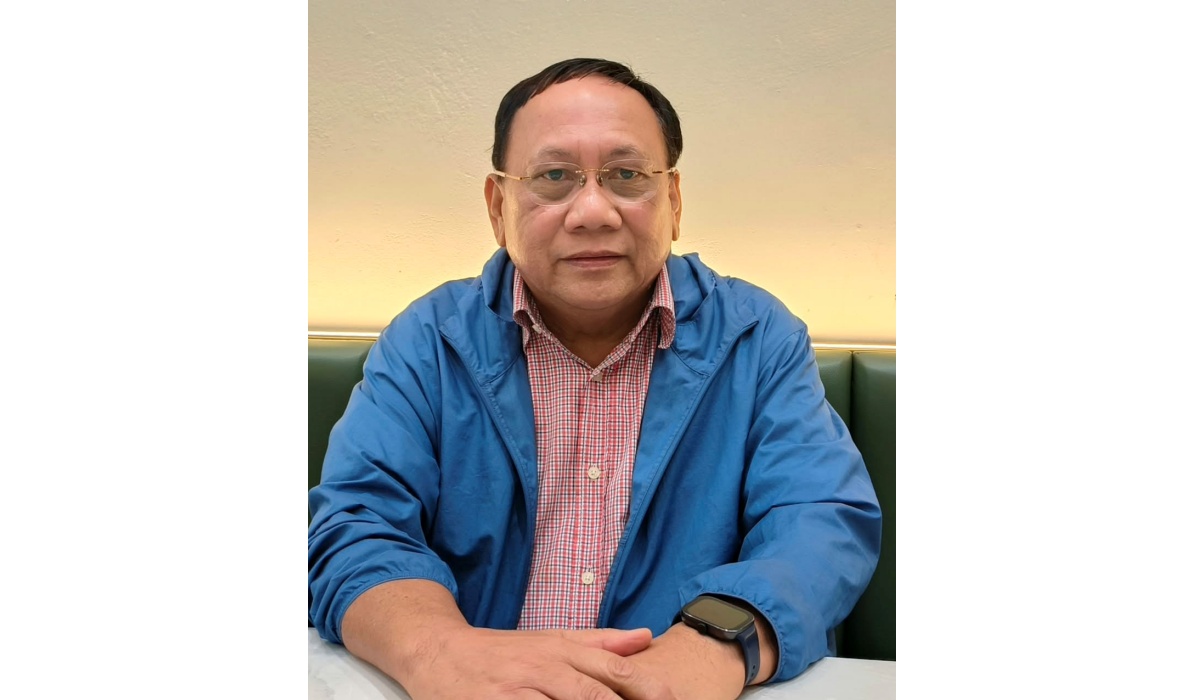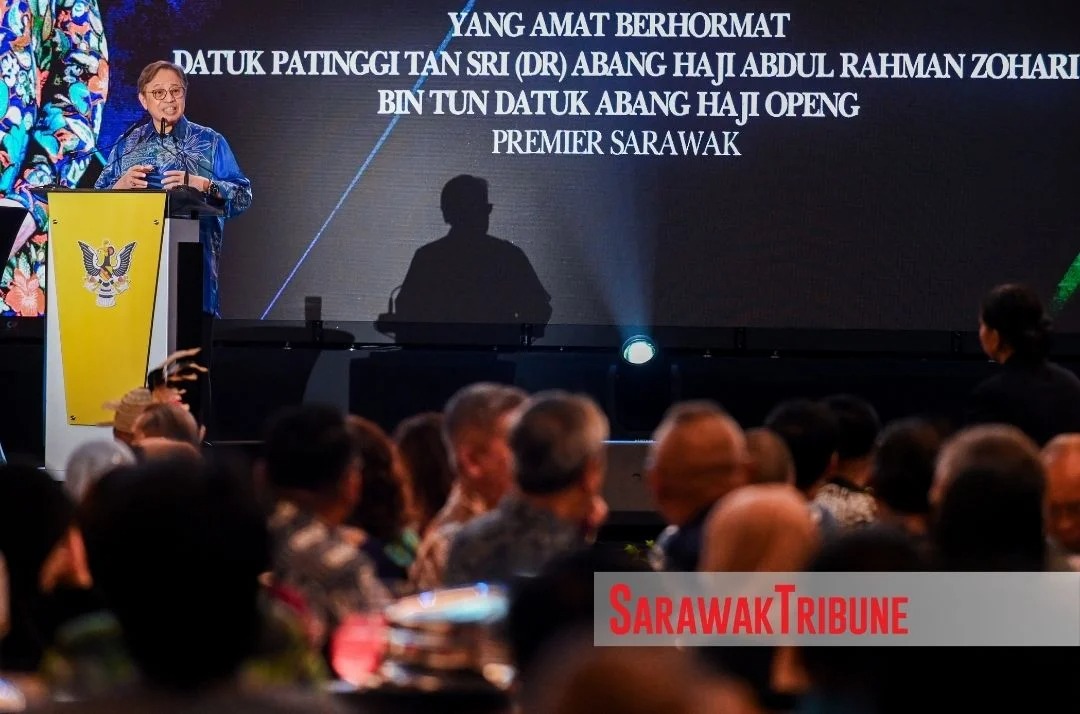
MIRI: Contrary to prevailing political narratives, the ‘Sarawakku Sayang’ programme here reflected a consistent focus by the Premier on development priorities, with little to no reference to electoral politics or coalition manoeuvring.
The speech and accompanying engagements by Datuk Patinggi Tan Sri Abang Johari Openg here did not touch on State Elections strategy, coalition strength, or campaign narratives typically associated with politically charged periods.
There was also no mention of State Legislative Assembly (DUN) dissolution, nor any indication of leadership transition or succession discussions within the ruling coalition.
Instead, his address during the dinner with the community leaders at Pullman Hotel and the ‘Sarawakku Sayang’ opening ceremony at Miri Stadium centred on governance and long-term development planning.
A key emphasis was placed on the Post COVID-19 Development Strategy (PCDS) 2030, reinforcing the state’s direction towards achieving high-income status through structured, outcome-based policies.
Infrastructure development formed a major part of the messaging, with continued focus on improving road connectivity, utilities and digital access, particularly for rural and semi-urban communities around Miri and its surrounding districts.
The tone of the Gabungan Parti Sarawak (GPS) chairman’s address stressed delivery and implementation, with attention given to ensuring that ongoing and previously announced projects are completed efficiently.
Environmental sustainability also featured in the Miri engagement, reflecting the state’s broader approach of balancing economic expansion with ecological responsibility.
This is particularly relevant for resource-rich regions like northern Sarawak, where development pressures intersect with environmental considerations.
Inclusivity in development planning was another key theme.
The Premier underscored the importance of ensuring that development benefits are broadly distributed, rather than concentrated in urban centres alone.
This aligns with efforts to bridge development gaps between coastal urban areas like Miri and its interior and rural hinterlands.
Resource management and economic sovereignty were also highlighted, particularly in relation to Sarawak’s strategic control over its natural resources, including energy and gas sectors.
The emphasis reflects ongoing efforts to strengthen the state’s economic autonomy while leveraging its resource base for long-term growth.
The absence of overt political messaging here may reflect a deliberate emphasis on governance over electoral signalling during public development programmes.
The overall tone of the engagement was therefore interpreted as policy-driven, focusing on execution and long-term planning rather than political positioning.